Mulberry Silk vs Other Silks: What Wholesale Buyers Should Know
Key Takeaways for Wholesale Buyers:
- Mulberry silk — Best for luxury bedding, apparel, and accessories requiring smooth finish, consistent quality, and stable supply
- Tussah silk — Cost-effective for structured garments, upholstery, and home textiles with a natural, textured look
- Eri silk — Ideal for eco-conscious brands seeking "peace silk" with natural insulation properties
- Muga silk — Limited supply, premium pricing, suitable for exclusive high-end collections with long lead times
Choosing the right type of silk can significantly impact the quality and success of your products. This article compares Mulberry silk with Tussah, Eri, and Muga silk in terms of fiber qualities, texture, natural color, cost, product suitability, supply stability, and sourcing logistics — guiding wholesale buyers, brands, and designers in making informed procurement decisions.
Understanding Mulberry Silk
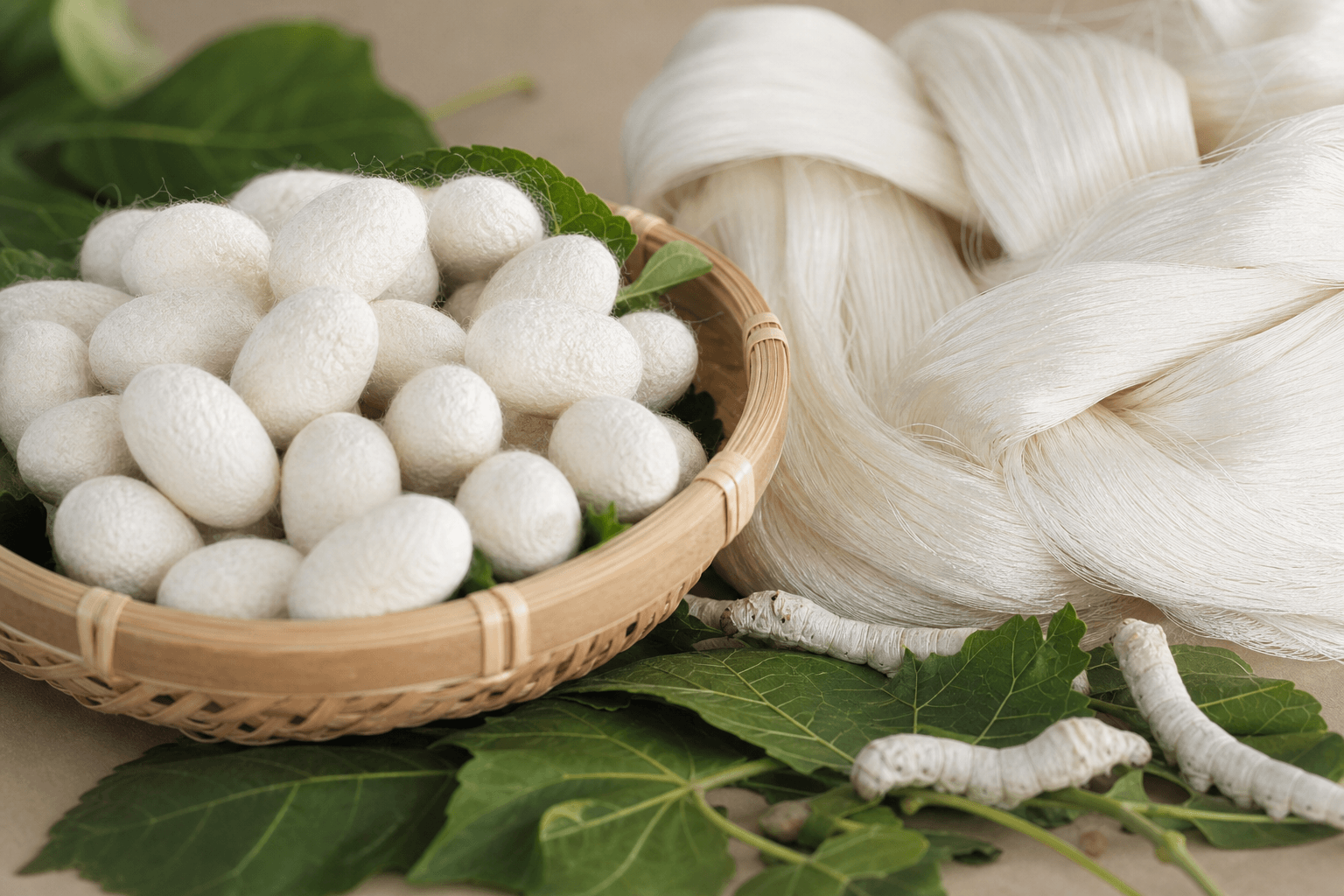
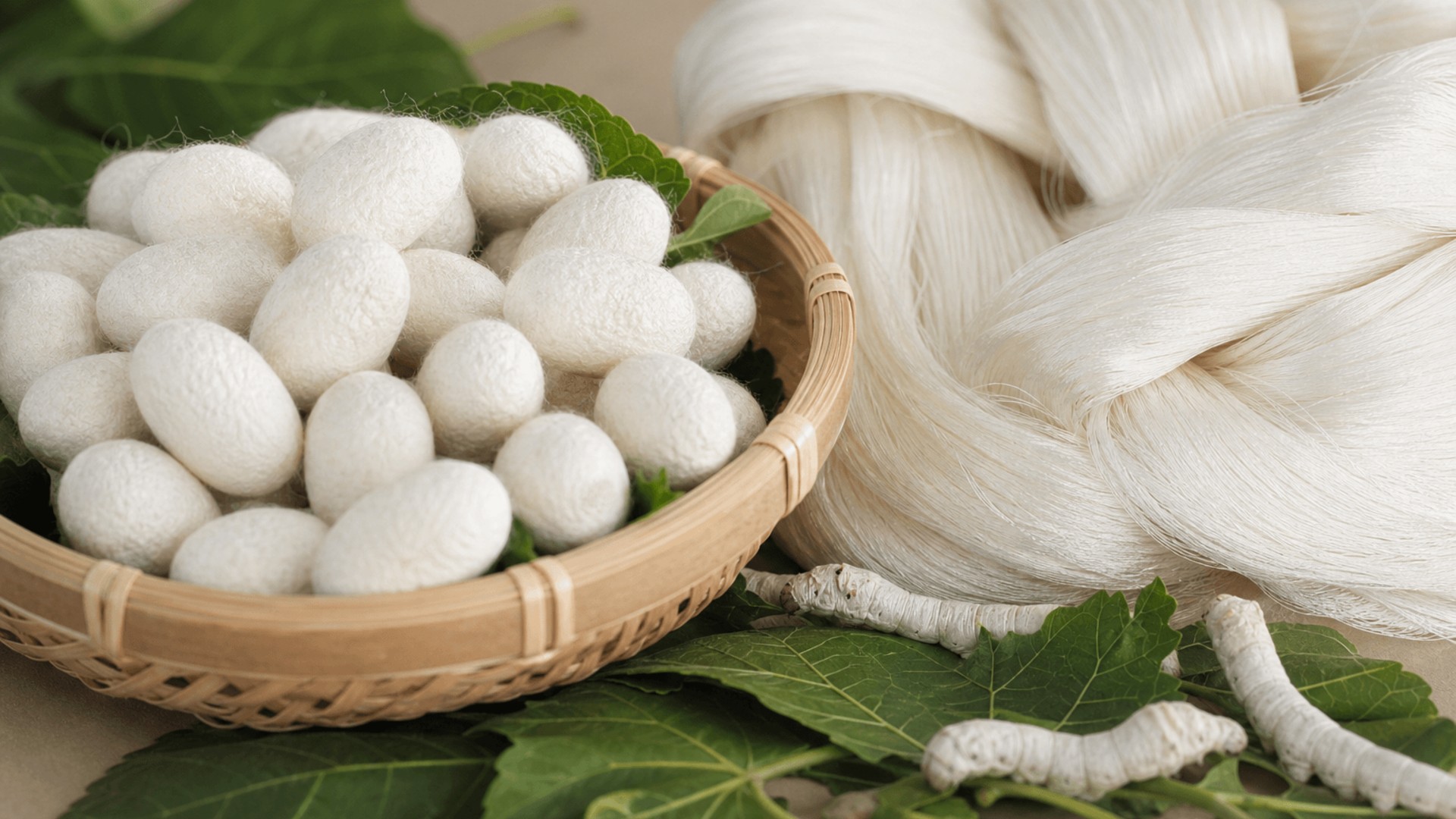
Mulberry silk stands out in the textile industry due to its unique properties and benefits. Widely regarded as the benchmark for quality and consistency among commercial silk types, it is derived from the Bombyx mori silkworms fed exclusively on mulberry leaves. This pure diet results in a fiber that is not only smoother and finer but also more consistent in color and texture than other silk varieties.
One of the primary advantages of Mulberry silk is its incredible softness and luster, which are unmatched by most natural fibers. Its hypoallergenic properties make it especially appealing for end-products targeting sensitive skin or allergy-prone consumers. This silk type also boasts impressive strength and durability, offering a longer lifespan for garments and products crafted from it.
For wholesale buyers, understanding these characteristics is crucial when evaluating silk fabric suppliers. By prioritizing Mulberry silk, businesses can ensure they are offering products that align with high consumer expectations for quality and luxury.
Comparative Analysis of Silk Types
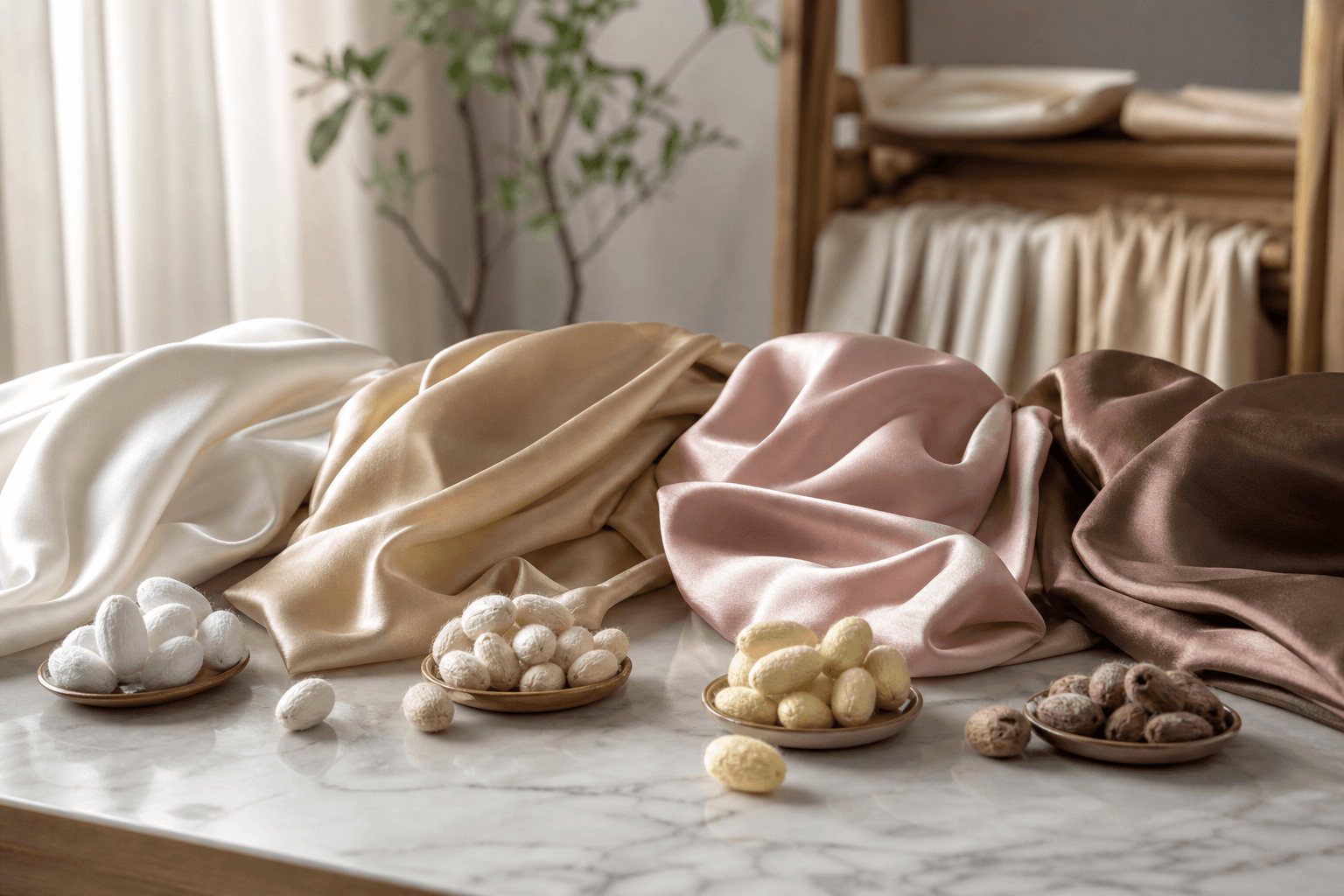
When assessing silk for wholesale purchase, understanding key differences between silk types can significantly impact decision-making. Each type of silk offers unique attributes that may influence cost, texture, color richness, supply stability, and overall quality. Misjudging these attributes can lead to sourcing errors, impacting both procurement budgets and end-product quality.
| Feature | Mulberry Silk | Tussah Silk | Eri Silk | Muga Silk |
|---|---|---|---|---|
| Fiber Characteristics | Long, uniform fibers | Short, coarse fibers | Medium, textured fibers | Golden, durable fibers |
| Texture | Smooth, lustrous | Rough, with natural sheen | Soft, slightly coarse | Lustrous and coarse |
| Color | White or off-white | Grayish-brown (often bleached for commercial use) | White to reddish-brown | Natural golden-yellow |
| Cost Positioning | Moderate to high | Lower cost | Moderate | High |
| Production Scale | High, controlled environments | Wild, lesser control | Medium, eco-friendly | Semi-domesticated, limited |
| MOQ Flexibility | Flexible | Flexible | Limited | Very limited |
| Supply Stability | High | Medium | Medium | Low |
| Lead Time | Stable | Stable | Variable | Long |
| Best For | Luxury bedding, apparel, accessories | Structured garments, upholstery | Eco lines, knitwear, home textiles | Exclusive high-end collections |
Each silk type presents its own trade-offs. For instance, while Mulberry silk is prized for its smooth texture and consistency, Tussah silk offers a more rustic appeal at a lower cost. If a buyer overlooks these distinctions, they might opt for a silk type that's either too costly for their needs or incompatible with their intended use. Recognizing these differences allows wholesalers to make informed fabric choices aligned with their specific requirements — whether prioritizing cost efficiency, sustainable positioning, or exclusive market appeal.
Other Silk Types: Quick Reference for Buyers
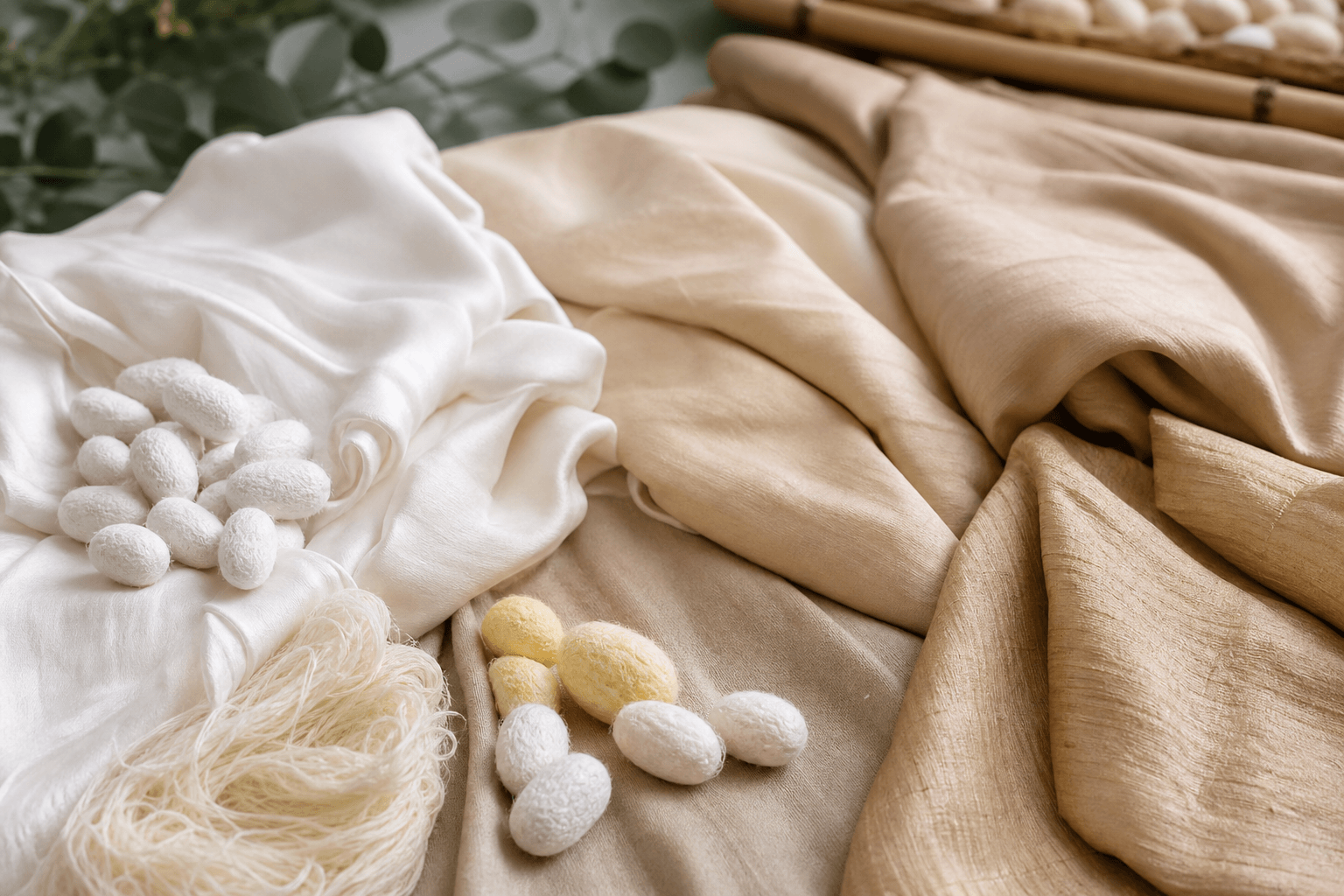
While Mulberry silk is the focus of this guide, buyers sometimes ask about alternatives. Here's a brief look at what each offers — and where it falls short for volume production.
Tussah Silk (Wild Silk)
Tussah is the cost-effective option for structured, textured products like upholstery and heavy garments. Its natural grayish-brown color is often bleached for commercial use. However, fiber coarseness and color variation between batches make it less suitable for products requiring uniform finish.
Eri Silk (Peace Silk)
Eri appeals to eco-conscious brands because the moth emerges naturally before harvesting. Its wool-like texture offers good insulation, and it works well for knitwear and home textiles. The trade-off: limited MOQ flexibility and variable lead times compared to Mulberry.
Muga Silk (Golden Silk)
Muga is the rarest commercial silk, prized for its natural golden hue and produced only in Assam, India. It works best for limited-edition luxury capsules. As a core production material, its supply is too constrained and its cost too high for most wholesale orders.
How to Choose the Right Silk for Your Order
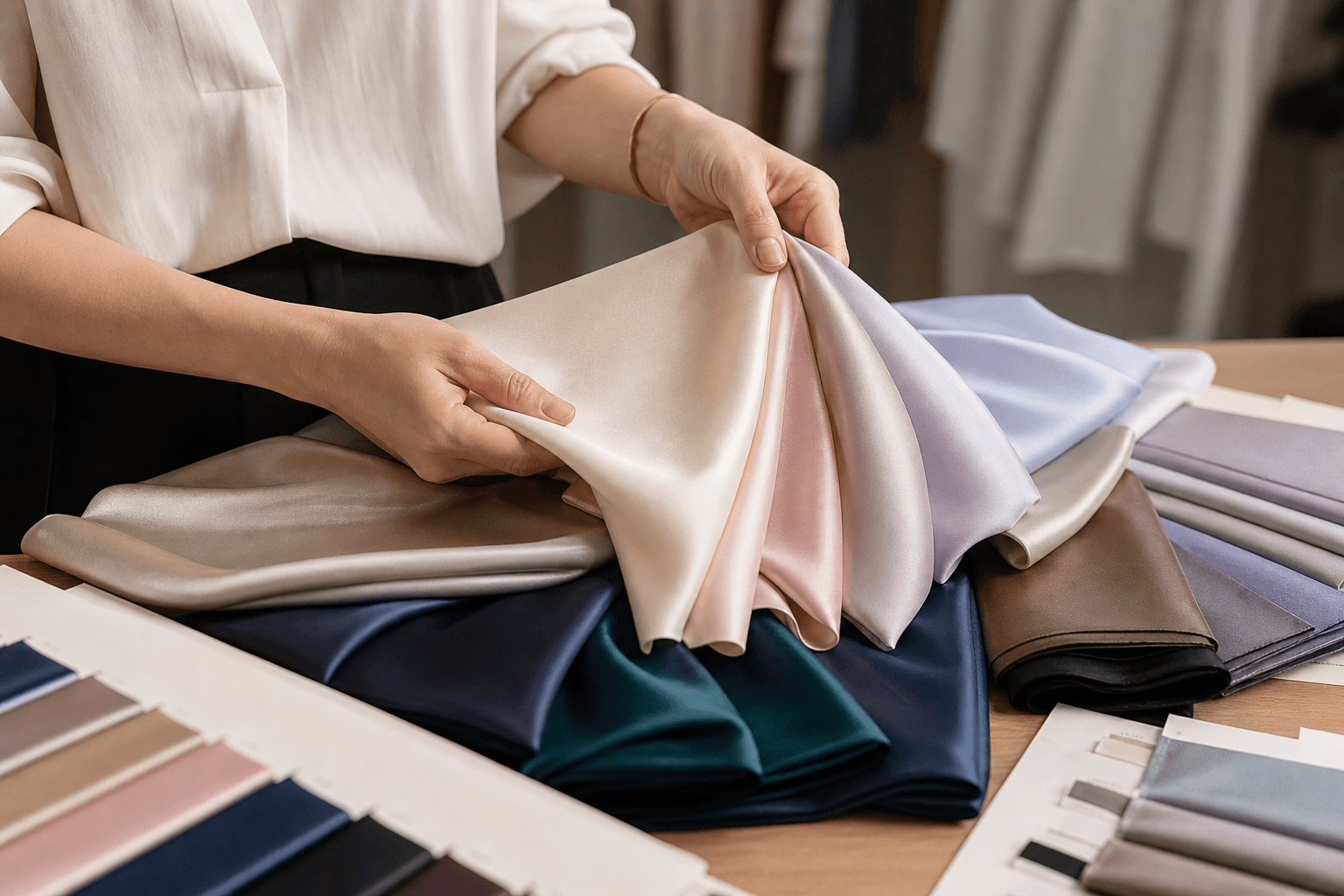
For most wholesale buyers, the decision comes down to three practical questions: Can the supplier deliver consistently? Does the fabric match the product? Is the cost sustainable for the target market?
- If you need consistent quality at scale — Mulberry silk is the only type with reliable, high-volume production and uniform fiber quality.
- If your product needs a rustic, textured look at lower cost — Tussah works, but expect color variations and less uniform texture.
- If sustainability is your primary selling point — Eri silk offers a compelling story, but limited MOQ flexibility and variable lead times.
- If you're building a limited-edition luxury capsule — Muga silk delivers exclusivity, but cannot support core production.
For brands that need a balance of quality, supply stability, and scalability, Mulberry silk remains the most practical foundation.
Why Mulberry Silk Works Best for Most Orders
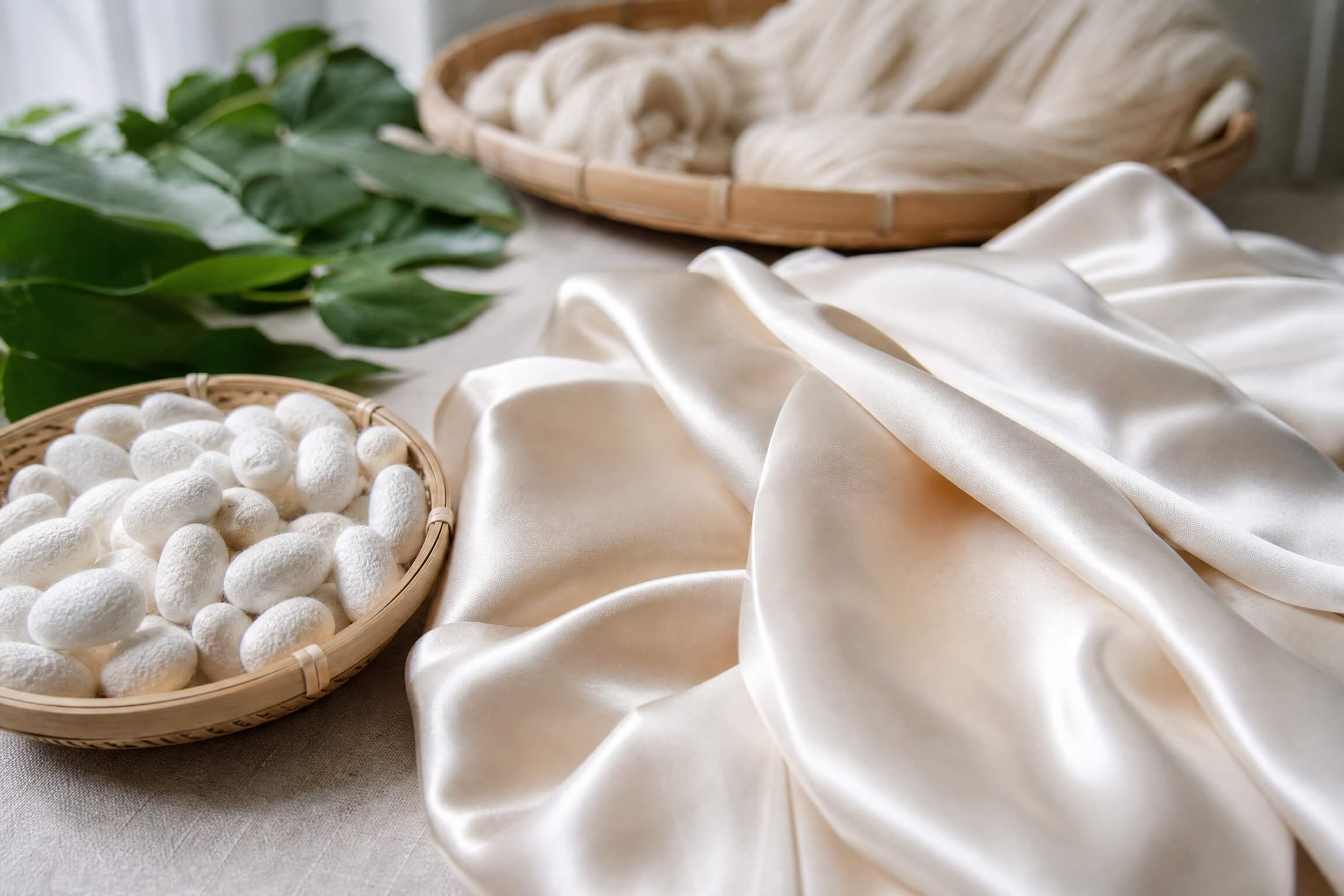
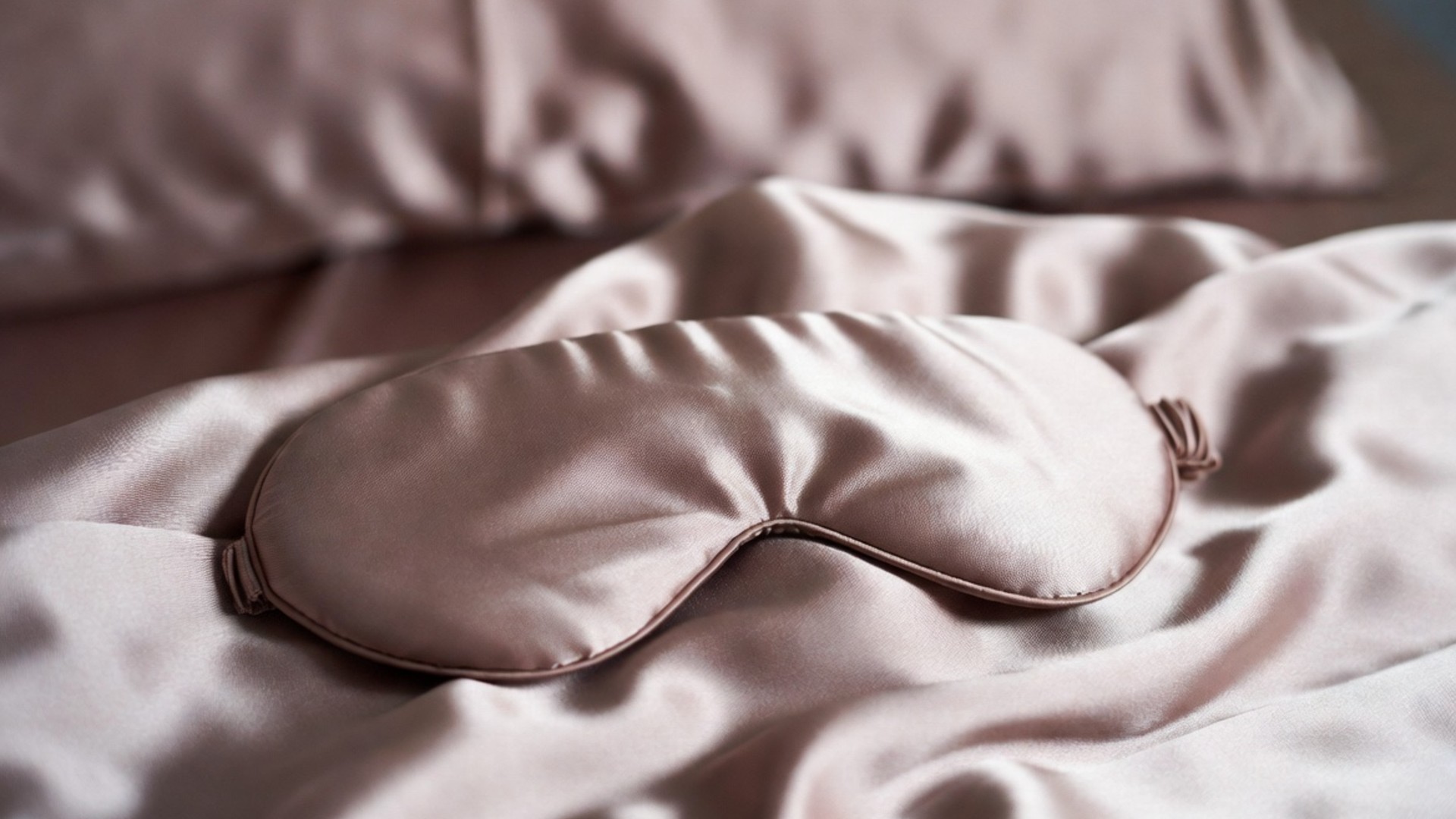
Mulberry silk stands out for its unparalleled quality, making it ideal for high-end products demanding a luxurious feel. Its smooth texture and natural sheen enhance the appeal of garments like evening gowns and bridal wear, providing a touch of elegance that is hard to replicate with other fabrics. Bedding is another product category where Mulberry silk excels; its hypoallergenic properties and temperature-regulating capabilities offer unparalleled comfort and health benefits, crucial for premium bedding lines.
Beyond clothing and bedding, Mulberry silk is a superior choice for accessories such as scarves and ties. These items benefit from the silk's durability and luster, which help maintain a fresh, vibrant appearance even after repeated use. Choosing Mulberry silk ensures your products not only look exquisite but are robust enough to withstand regular wear, maintaining their quality over time.
Finally, investing in Mulberry silk can significantly impact buyer perception and brand positioning. Products made from this silk often carry a prestige factor that resonates with discerning consumers, who recognize and appreciate the fabric's superior attributes. For wholesale buyers, selecting Mulberry silk aligns with a commitment to excellence and can elevate the perceived value of your inventory.
Sourcing Mulberry Silk: What to Consider
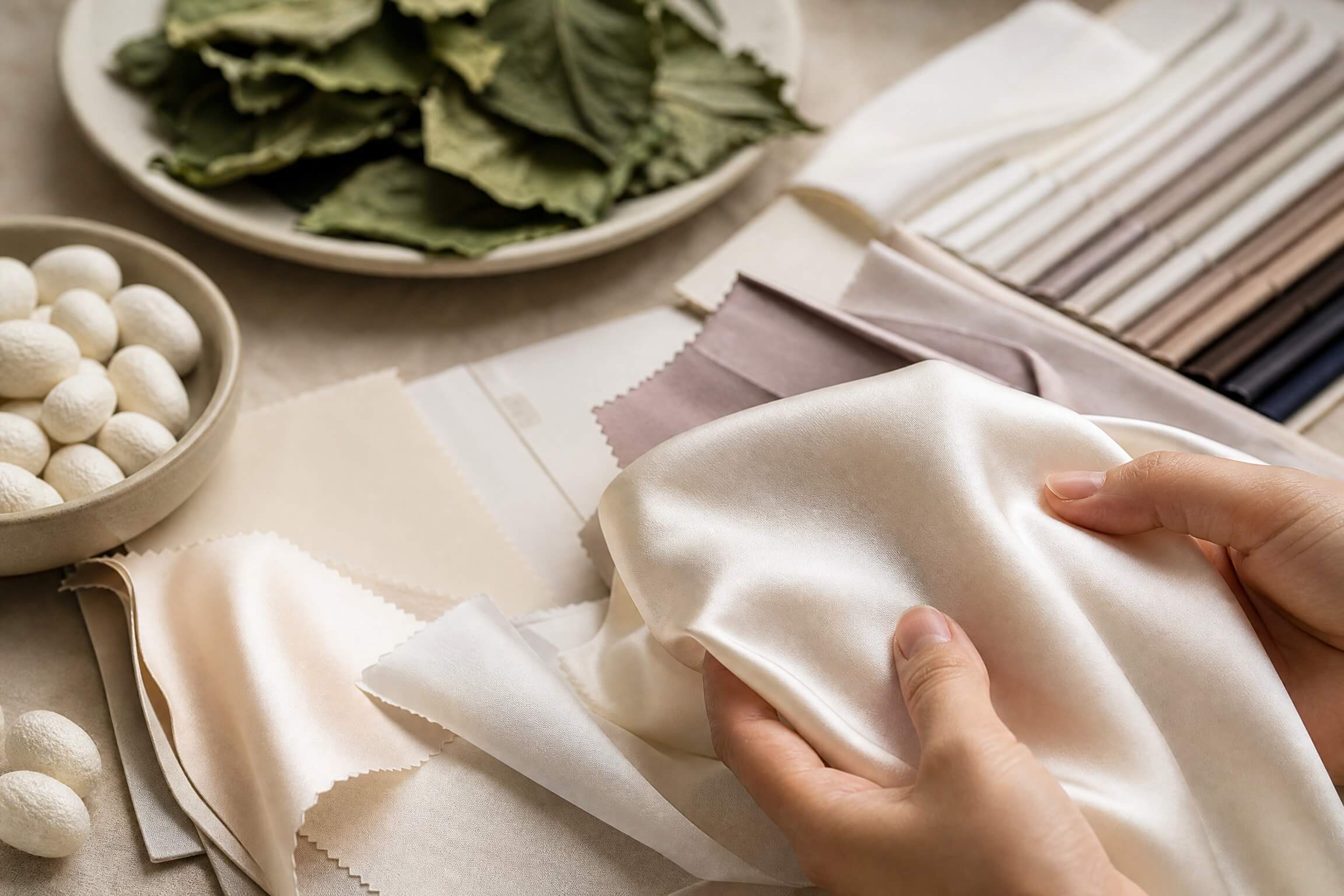
Evaluating potential silk fabric suppliers for Mulberry silk requires careful attention to a few critical factors. Firstly, verify the supplier's reputation through client testimonials and industry certifications. A reputable mulberry silk manufacturer will likely have a track record of consistent quality, adhering to international standards, which includes providing accurate batch and inspection records. Such documentation can be a reliable indicator of their quality control practices.
Another key aspect is the sourcing process itself. When sourcing wholesale silk fabric, ensure that the supplier provides clarity on the origin of their raw materials. Mulberry silk, primarily produced in China, should come with verifiable proof of its provenance. This transparency is not only vital for authenticity but also reassures buyers about the ethical and sustainable practices involved.
Lastly, consider the logistics of silk fabric sourcing, including minimum order quantities (MOQs) and delivery timelines. A supplier's flexibility in these areas can significantly influence your purchasing decisions. Being able to negotiate MOQs or secure timely deliveries can streamline inventory management and align with production schedules.
At COCOONMAN, we focus on Mulberry silk because it is the only silk type that consistently meets the three criteria wholesale buyers care about most: stable supply, uniform quality, and scalable pricing. Our Suzhou-based operation gives us direct access to China's Mulberry silk supply chain, ensuring traceability and competitive pricing. Whether you need standard wholesale silk fabric or custom specifications, we work with brands and manufacturers to match the right silk to the right product.
FAQ
Q: What makes Mulberry silk different from other types of silk?
A: Mulberry silk boasts a fine texture and remarkable strength, attributes derived from its carefully controlled production. It is cultivated from silkworms fed exclusively on mulberry leaves, ensuring consistent quality. This meticulous care results in a uniform and lustrous silk highly sought after in luxury markets.
Q: What is the typical MOQ for Mulberry silk fabric?
A: MOQs vary by supplier and fabric specification. At COCOONMAN, we work with clients to accommodate flexible order volumes — contact us to discuss your specific requirements.
Q: How can I ensure the quality of Mulberry silk I purchase?
A: Partnering with established mulberry silk manufacturers is crucial for quality assurance. Verify the supplier's credentials and review their quality certifications. Request batch inspection records to confirm adherence to high-quality standards.
Q: Which products are best suited for Mulberry silk?
A: This premium silk is perfect for crafting luxury garments, such as evening wear and bridal attire, due to its sleek finish. It also excels in bedding, offering a soft, breathable option for high-end linens. Mulberry silk's durability makes it a favored choice for accessories like scarves and ties.
Q: Is Eri silk more sustainable than Mulberry silk?
A: Eri silk stands out for its eco-friendly production, as the process does not harm the silkworms. This peaceful harvesting method aligns with sustainable practices, appealing to environmentally-conscious consumers. However, it offers a different texture and appearance compared to Mulberry silk.
Q: Why is Muga silk more expensive?
A: The rarity of Muga silk, combined with its natural golden hue, contributes to its premium price. This silk is native to Assam, India, and its production is limited, enhancing its exclusivity. Its luxurious sheen and unique properties make it a prized material in high-end fashion and traditional attire.
Conclusion
Mulberry silk's exceptional quality, consistent supply, and adaptability make it a preferred option for wholesale buyers seeking luxury and durability. Comparing it with other silks — including Tussah, Eri, and Muga — allows for strategic product diversification tailored to niche markets. Selecting the right silk type is crucial for aligning with your brand's goals and meeting consumer demands effectively.
COCOONMAN: Your Mulberry Silk Partner
Whether you're sourcing Mulberry silk for luxury bedding, apparel, or accessories, COCOONMAN provides solutions tailored to your product line. Contact us to discuss MOQs, samples, and customization options.