Silk Fabric Sourcing: Key Details from Inquiry to Final Inspection
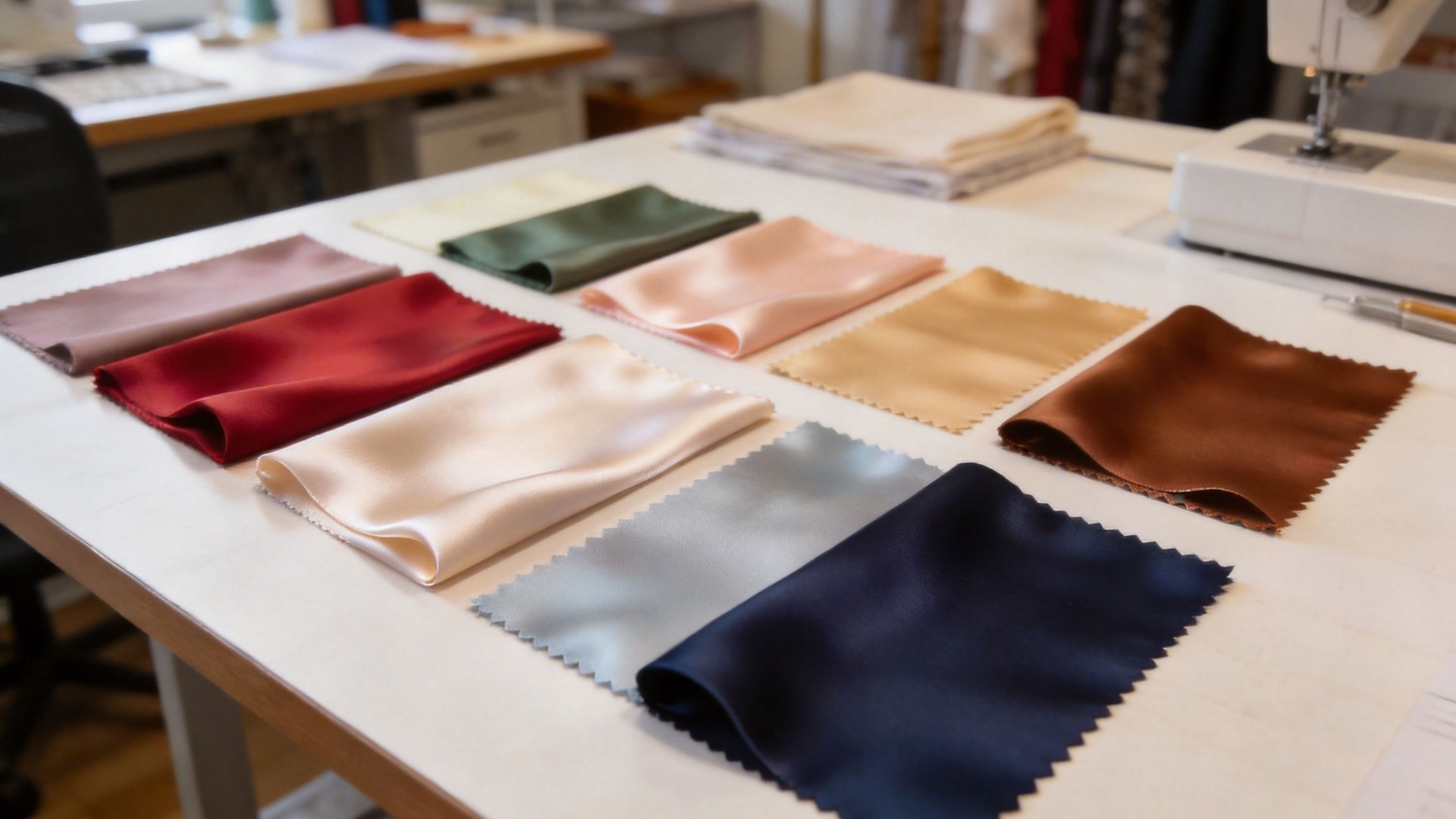
For many brands launching silk pillowcases or bedding sets for the first time, the biggest challenge is not the design but the fabric sourcing process. Sample swatches may look premium, yet bulk production arrives with color inconsistencies. Prices may seem attractive, but delivery timelines keep slipping. Silk is a high-value material, and missing even one confirmation step in procurement can quickly lead to expensive rework later.
Especially for OEM or ODM customization, supplier stability, sampling completeness, and clearly defined inspection standards in the contract all directly affect delivery outcomes. Experienced factories usually break the process into detailed stages so clients can review and confirm every step.
When Screening Suppliers, Don’t Focus Only on Price
Many buyers request quotations from three to five factories at the same time, but the best long-term partner is rarely the one with the lowest price. Raw silk prices fluctuate significantly, so stable supply capacity and reliable repeat production matter more than short-term savings.
- Confirm access to stable long-term greige fabric sources
- Request recent quality inspection reports and colorfastness data
- Review actual bulk production cases instead of only retouched sample photos
- Verify minimum order quantities and replenishment lead times
Silk fabric weight, shrinkage rate, and dye lot consistency should all be included in written confirmation documents in advance. Source manufacturers like COCOONMAN typically define practical production parameters during development to avoid repeated revisions later.
During Sampling, the Priority Is Defining Clear Standards
Don’t Approve Color Alone
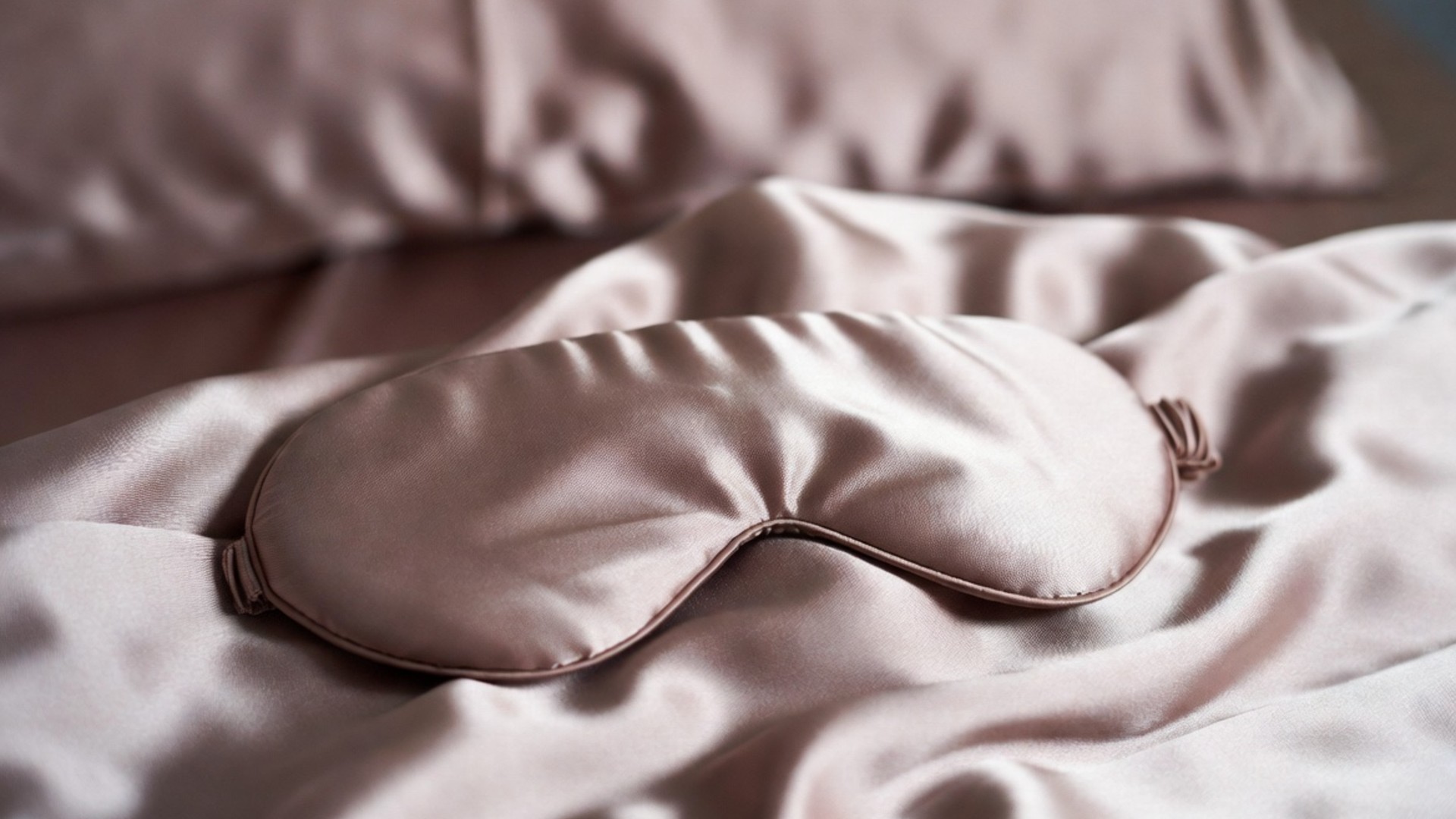
Many clients focus only on texture and sheen after receiving samples while overlooking trims and craftsmanship. The edging thickness of silk sleep masks, the elasticity of silk scrunchies, and the zipper concealment method on pillowcases all affect mass-production consistency.
Keep Approved Samples Before Bulk Production
Before placing a formal order, signed approval samples or sealed reference photos should always be retained. If disputes arise during inspection later, the approved sample becomes the clearest point of reference. Projects without sealed samples are far more likely to face disputes during rework.
Experienced sourcing teams usually treat “sample approval” as a small-scale pre-production process rather than simply reviewing a prototype.
Contracts and Inspection Standards Determine Smooth Delivery
Once bulk production begins, delivery schedules, compensation terms, and inspection standards must be clearly defined. Color tolerance, sampling ratios, and packaging requirements should all be specified in advance. Silk products are sensitive to pressure marks and moisture, so storage and transportation conditions should also be included as contract attachments.
When receiving goods, do not inspect only the finished appearance. Dimensions, stitching density, and post-wash performance should also be rechecked. Some buyers additionally require third-party testing to verify fabric composition and formaldehyde compliance. The process may seem detailed, but stable silk supply chains are built on precisely these repeated quality controls.