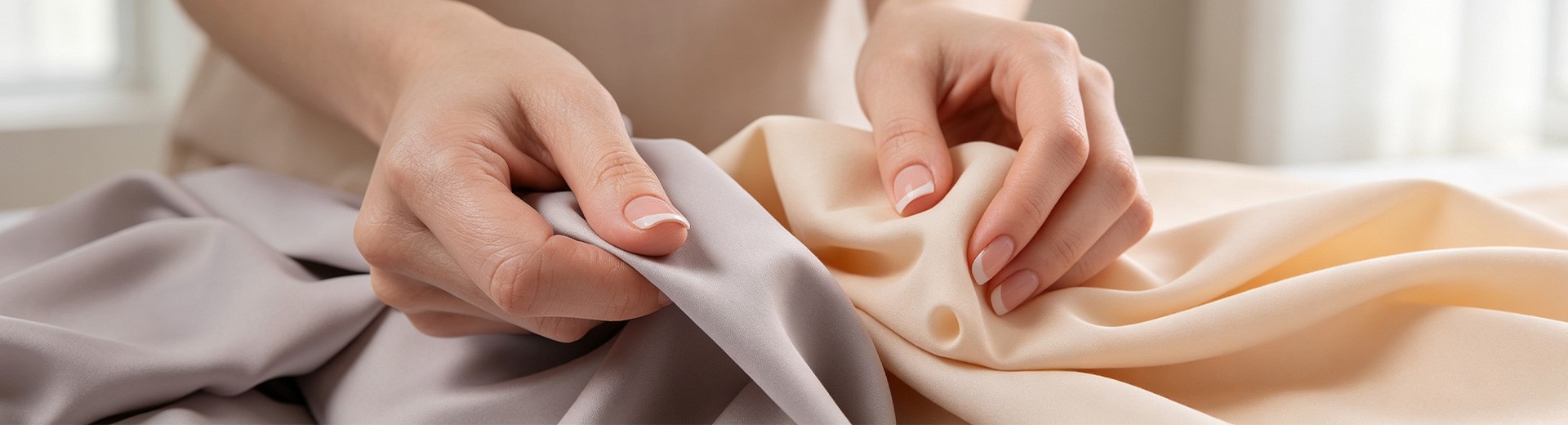
Wholesale Silk Cotton Blend Fabric Supplier
Silk cotton fabric combines the soft hand and refined appearance of silk with the breathability, moisture absorption, and practical durability of cotton. The result is a comfortable blended fabric for buyers who want a more accessible and versatile alternative to pure silk.
As a wholesale silk cotton fabric manufacturer and supplier, Cocoonman provides undyed, plain dyed, and printed silk cotton fabric in different blend ratios, momme weights, widths, and weave directions. We support custom colors, printing, finishing, packing, and OEM/ODM development from sampling to bulk production.
Silk cotton is suitable for importers, wholesalers, retailers, fashion brands, and garment manufacturers developing shirts, blouses, dresses, pajamas, robes, kimonos, scarves, bandanas, pillowcases, curtains, cushion covers, and other apparel or home textile products.
Tell us your target silk/cotton ratio, momme weight, weave, width, color, application, estimated quantity, or artwork. Cocoonman can recommend a suitable silk cotton base and discuss sample support, production requirements, and available MOQ options for your project.
Undyed, Plain Dyed & Printed Silk Cotton Fabric
Choose the right silk cotton base for your project, from an undyed starting point to solid colors and custom printed artwork.
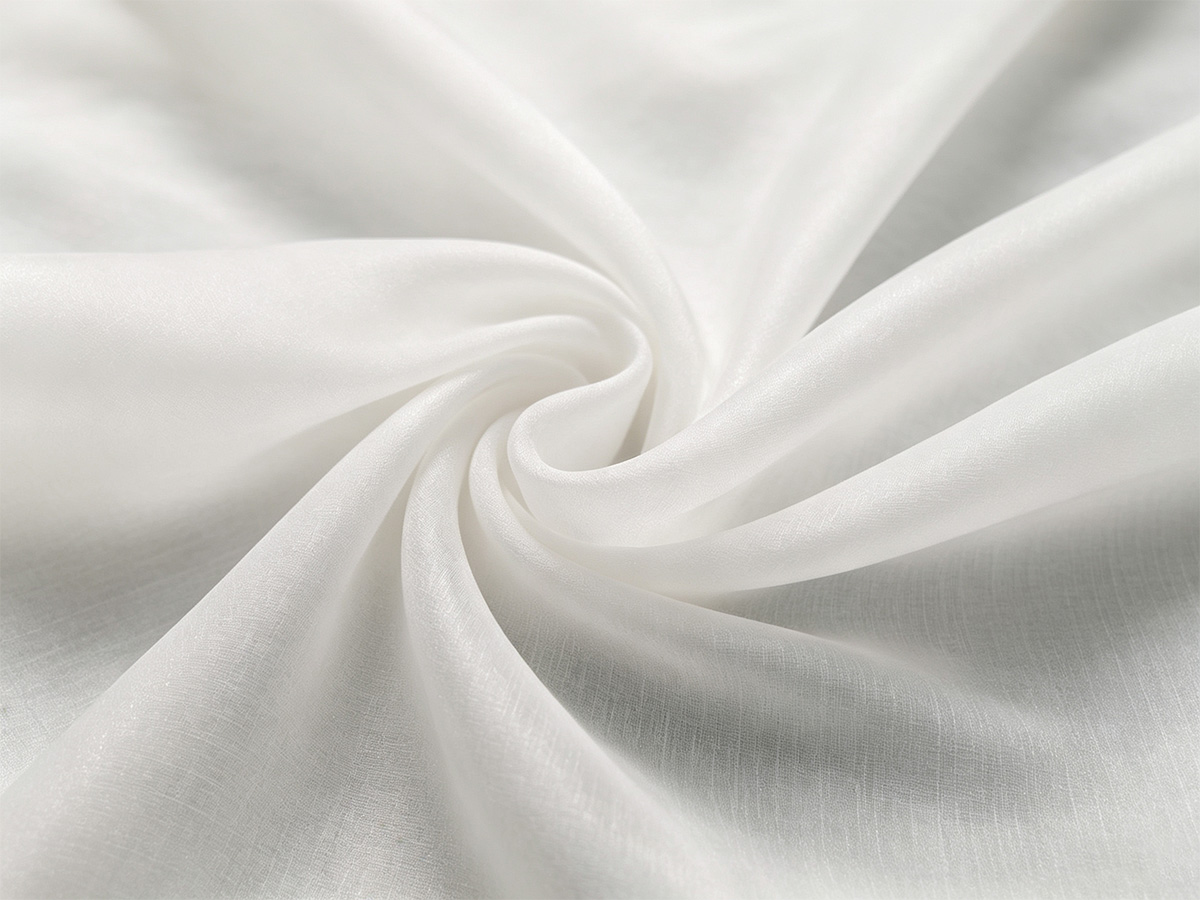
Undyed silk cotton provides a natural base for dyeing, printing, sampling, and creative development. Its sturdy blended texture can absorb color while retaining a comfortable hand and practical everyday character.
| Fiber | Silk and cotton blend by selected quality |
|---|---|
| Blend ratios | 25s/75c, 30s/70c, 35s/65c, 45s/55c, 50s/50c, and other project options |
| Weight | 9/10/12/14/16/19/22/24/25/27.5/34 Momme by quality |
| Use | Dyeing, printing, sampling, and custom fabric development |
| Appearance | Natural base with a soft hand and subtle silk character |
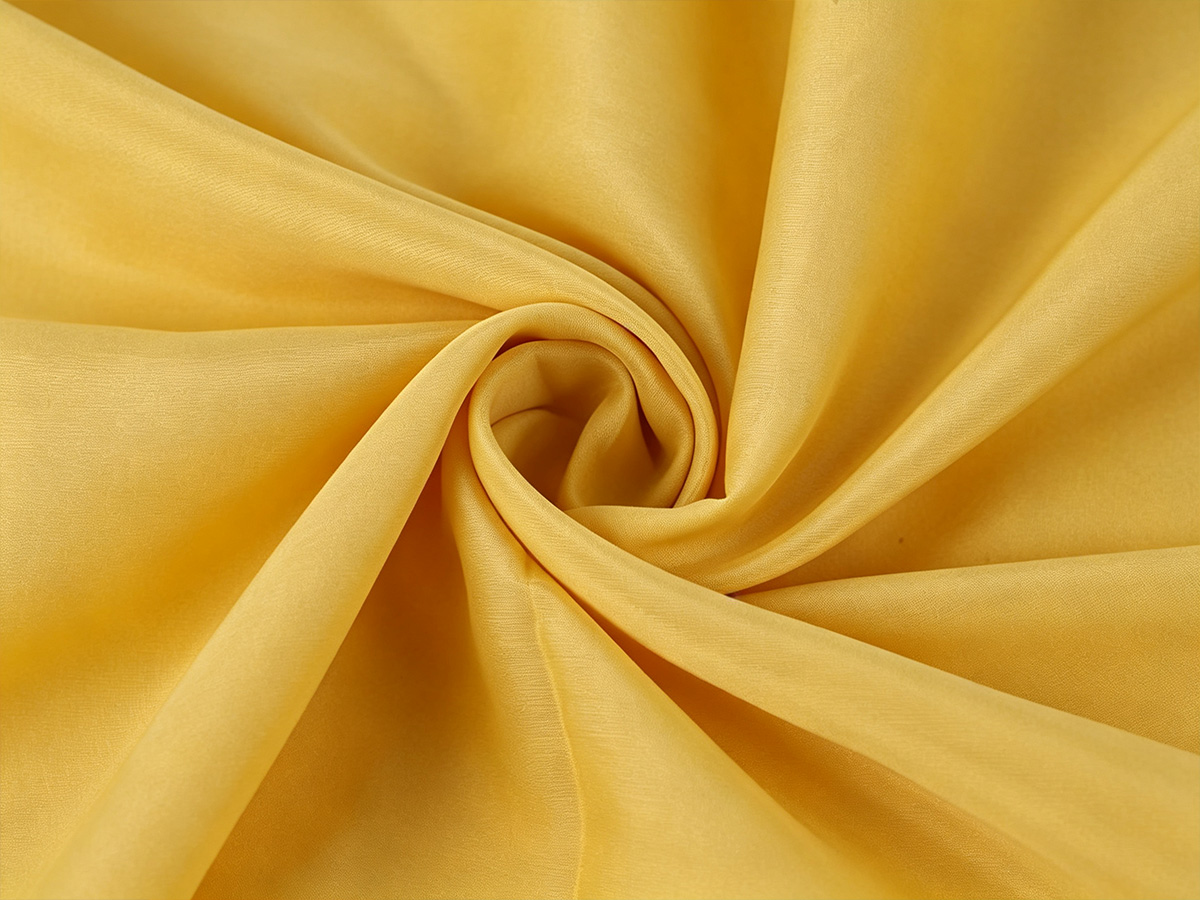
Plain dyed silk cotton is ready for apparel, accessory, and home textile production. Cocoonman can discuss stock shades, custom color matching, lab-dip approval, and finishing according to the selected blend and weave.
| Fiber | Silk and cotton blend by selected quality |
|---|---|
| Blend ratios | 25s/75c to 50s/50c and other project options |
| Weight | 9/10/12/14/16/19/22/24/25/27.5/34 Momme by quality |
| Color | Stock shades and custom colors available by quality |
| Support | Lab dips, bulk color approval, finishing, and packing |
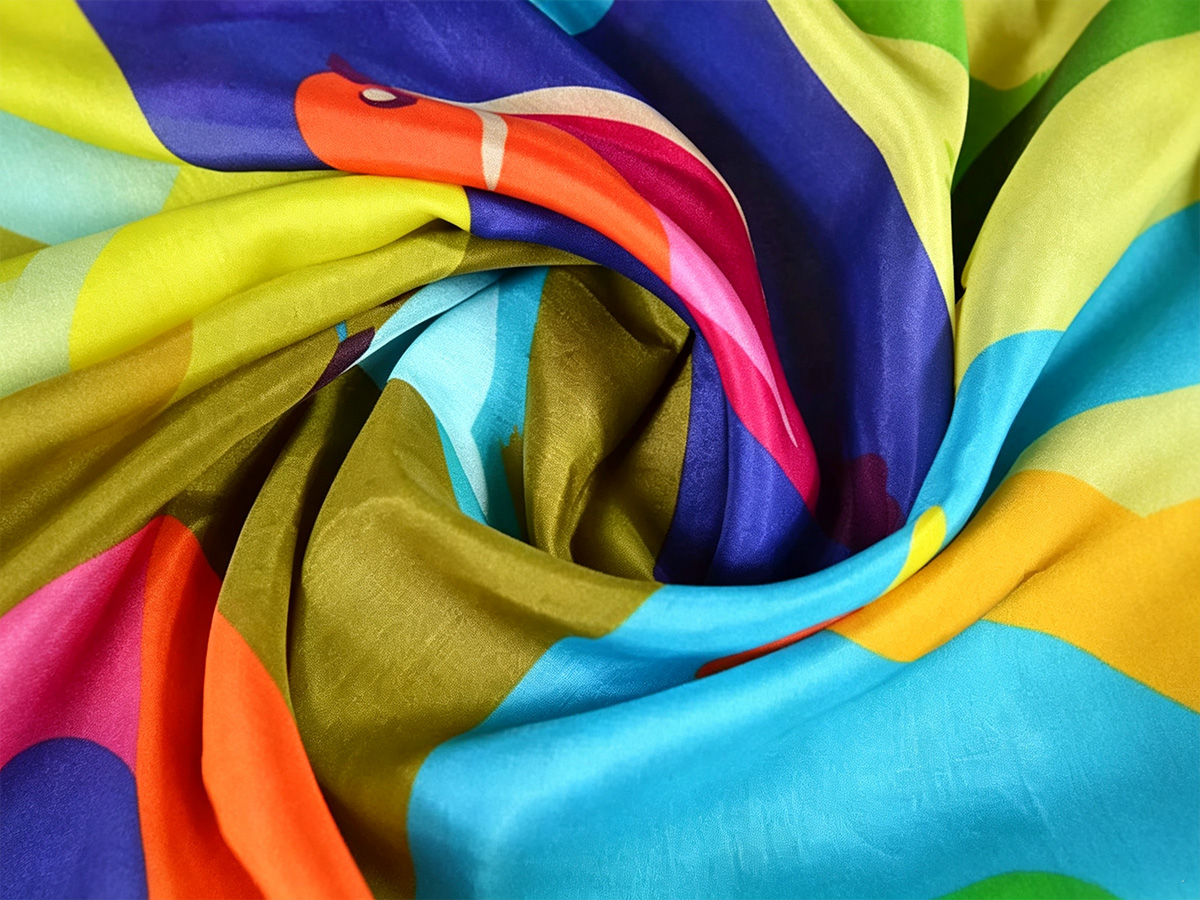
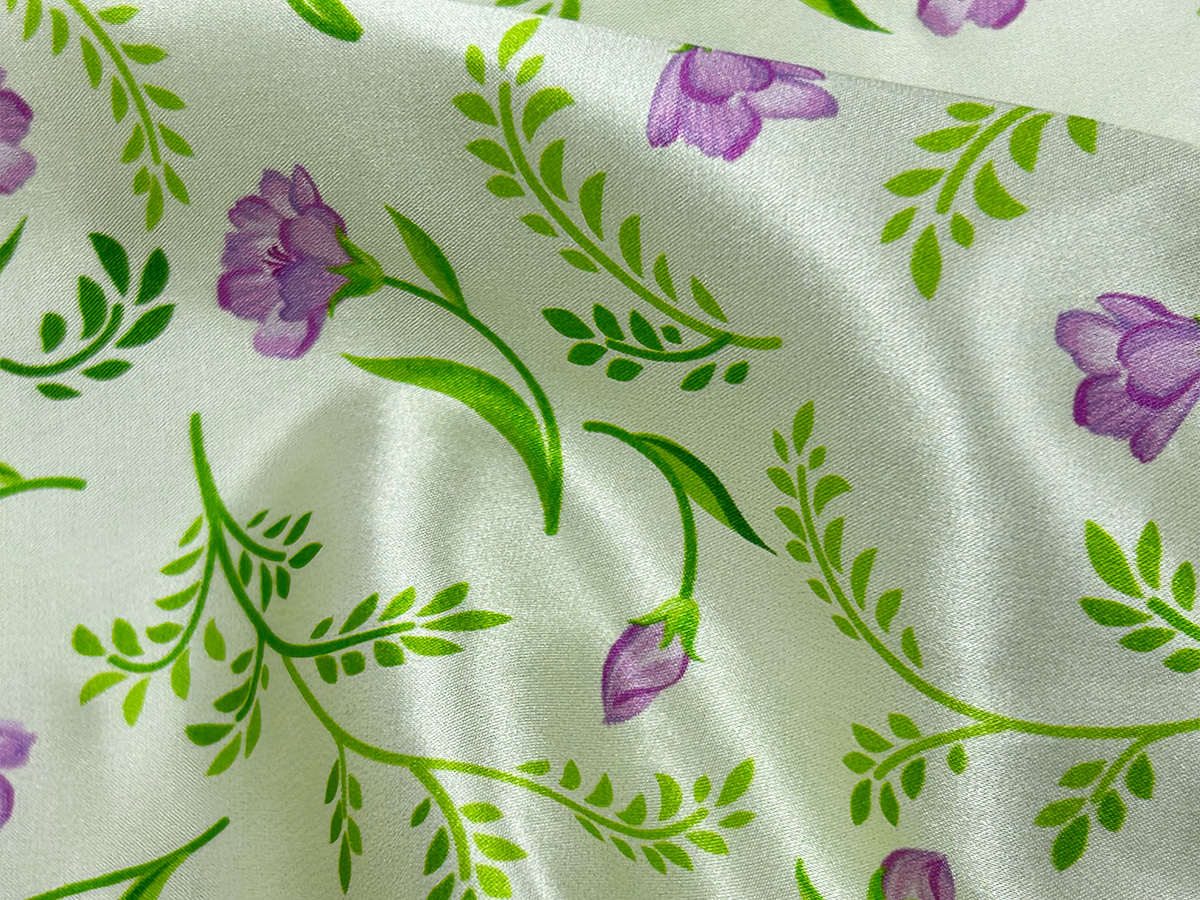
Printed silk cotton supports custom artwork, repeat patterns, and coordinated collections that need a comfortable natural blend. Share your artwork, repeat size, and color direction for print review and strike-off discussion.
| Fiber | Silk and cotton blend by selected quality |
|---|---|
| Blend ratios | 25s/75c to 50s/50c and other project options |
| Weight | 9/10/12/14/16/19/22/24/25/27.5/34 Momme by quality |
| Pattern | Stock designs or customized artwork |
| Printing | Digital, screen, reactive, and other methods by project |
Advantages of Silk Cotton Fabric
Silk cotton fabric balances a premium silk touch with cotton comfort and practical performance for apparel, accessories, and home textiles.
The blend combines a smooth, comfortable silk touch with the familiar natural feel of cotton for everyday product development.
Silk cotton offers breathability and moisture comfort, making it practical for warm-weather apparel and products worn close to the body.
Cotton fibers can contribute to greater everyday durability than many lightweight pure silk qualities while retaining a refined appearance.
The combination of silk comfort and cotton warmth supports flexible use across warmer and cooler seasons.
Different blend ratios, mommes, weaves, colors, prints, and finishes support custom collections and private label programs.
Silk Cotton Weave and Weight Options
Silk cotton fabric can be developed in common 9, 10, 12, 14, 16, and 19 momme qualities, with additional higher-weight options by project. The blend ratio and weave affect surface, drape, opacity, warmth, and hand feel.
The local sample series includes plain, satin, and twill directions so buyers can compare different surface effects before selecting a production base.
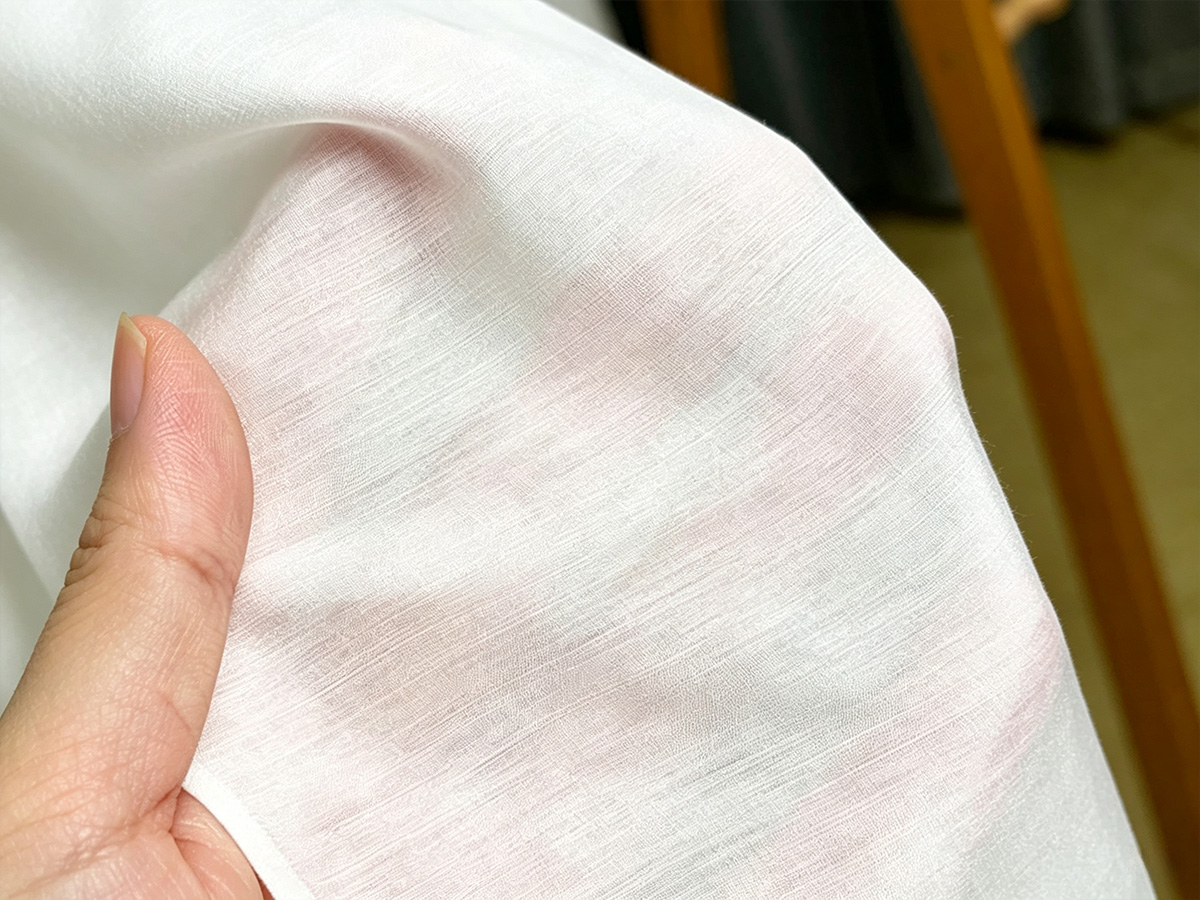
Lightweight and comfortable, suitable for summer apparel, soft accessories, linings, and products that need an easy everyday hand.
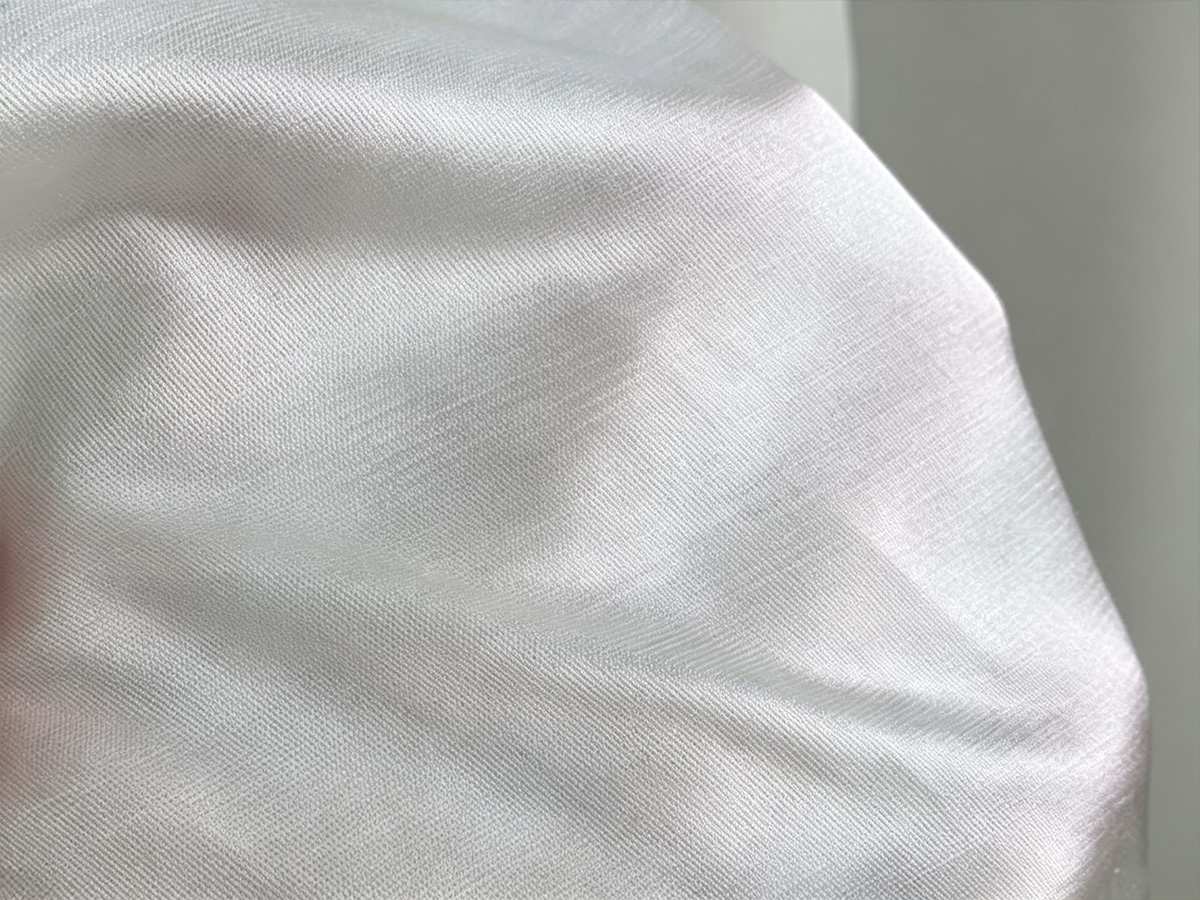
Smooth with a subtle satin surface, suitable for blouses, dresses, sleepwear, scarves, and soft premium fashion products.
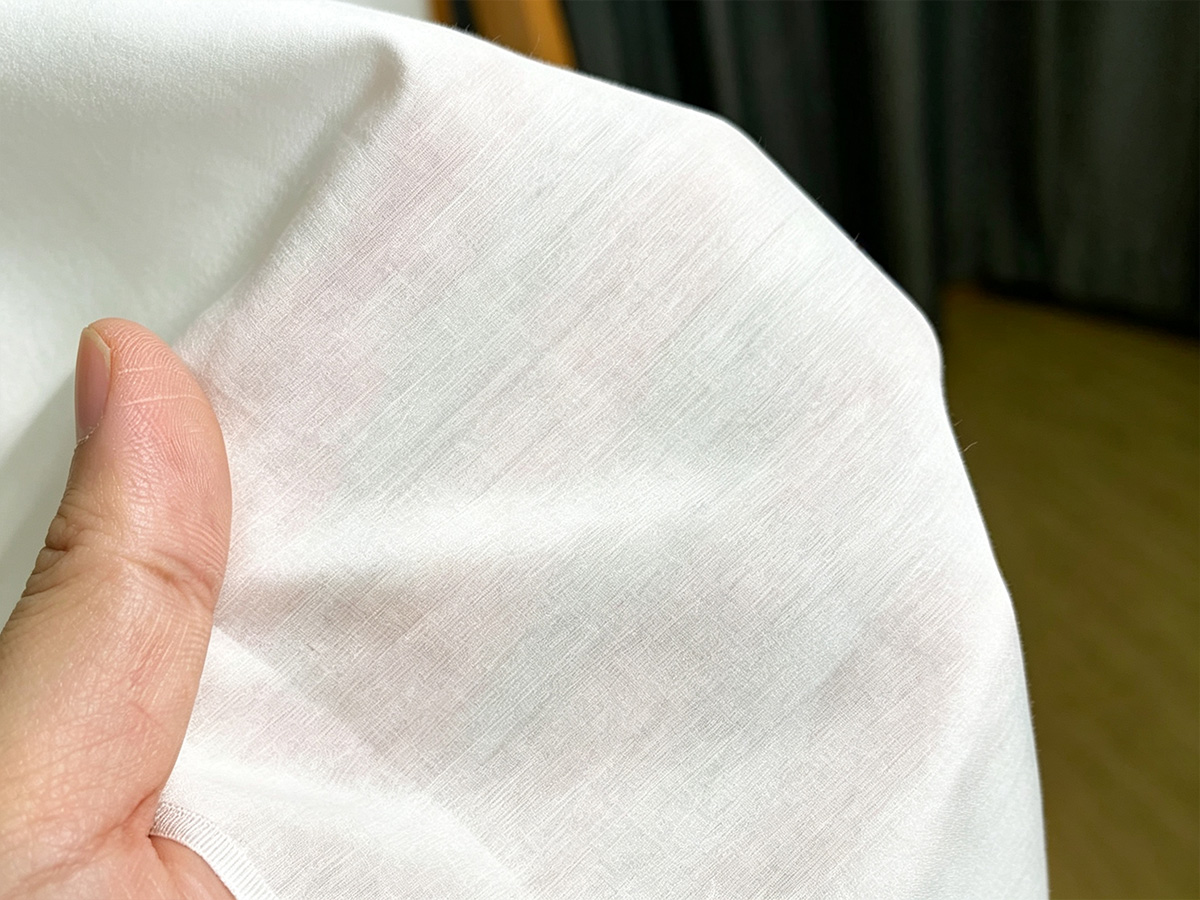
A balanced weight for comfort and coverage, suitable for shirts, blouses, dresses, pajamas, robes, and coordinated collections.
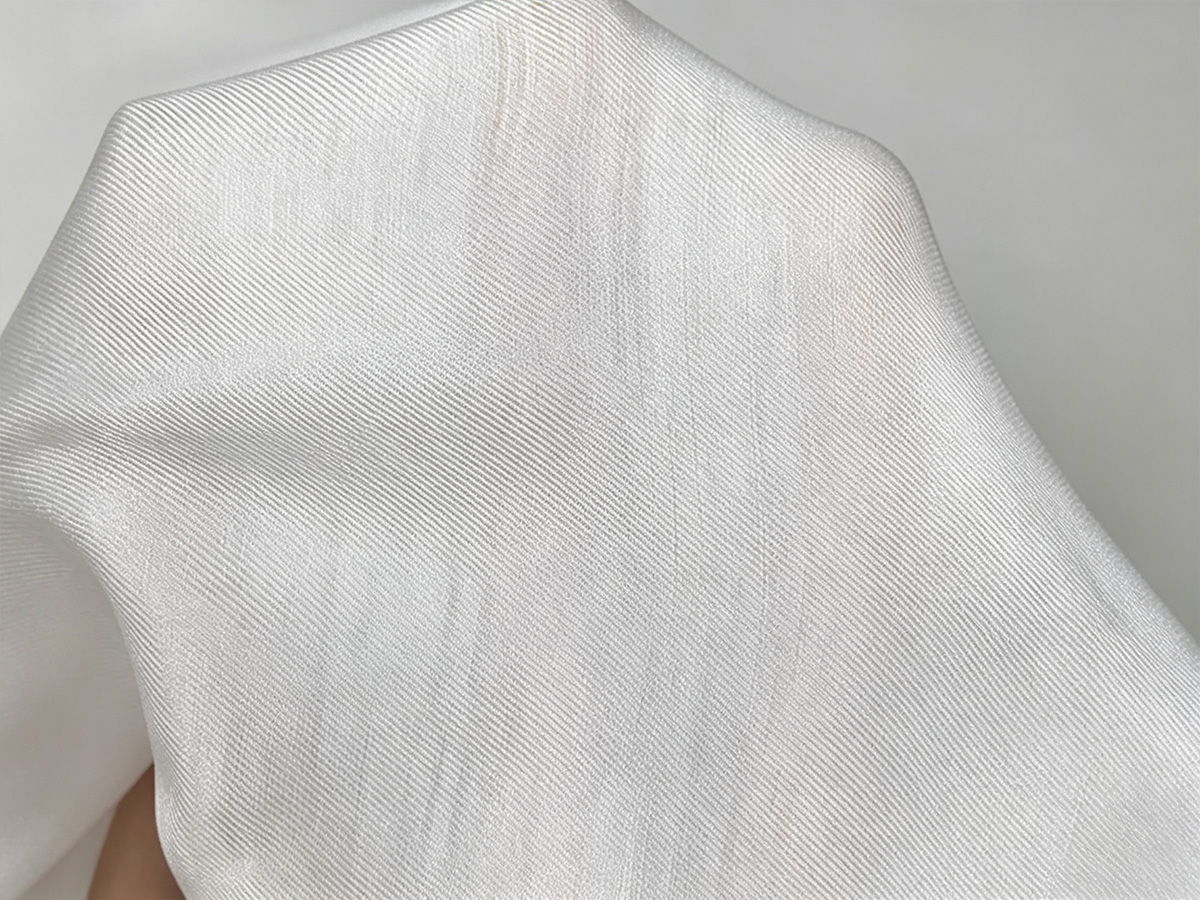
Diagonal twill texture with more body, useful for structured shirts, dresses, accessories, bags, and fashion details.
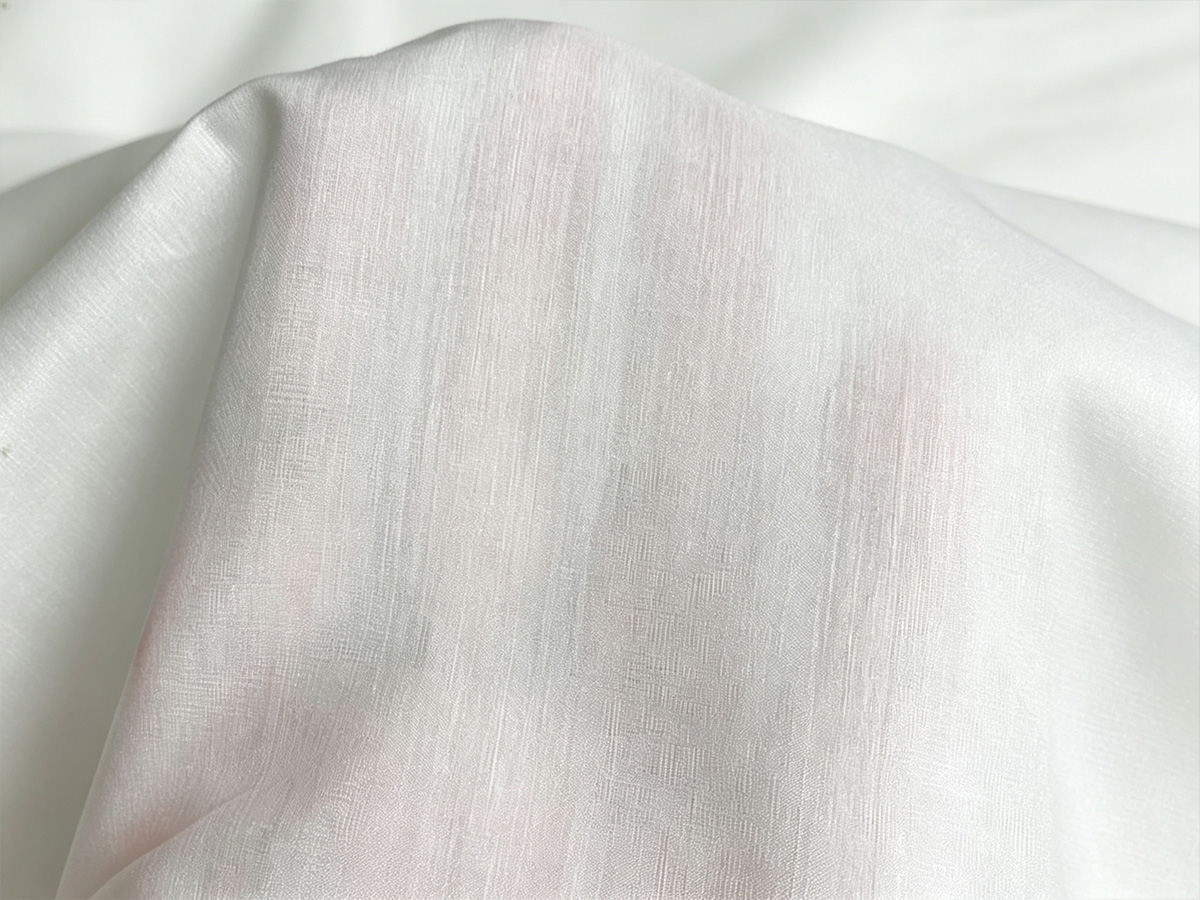
More coverage and a fuller hand for dresses, blouses, sleepwear, home textiles, and products that need a versatile medium weight.
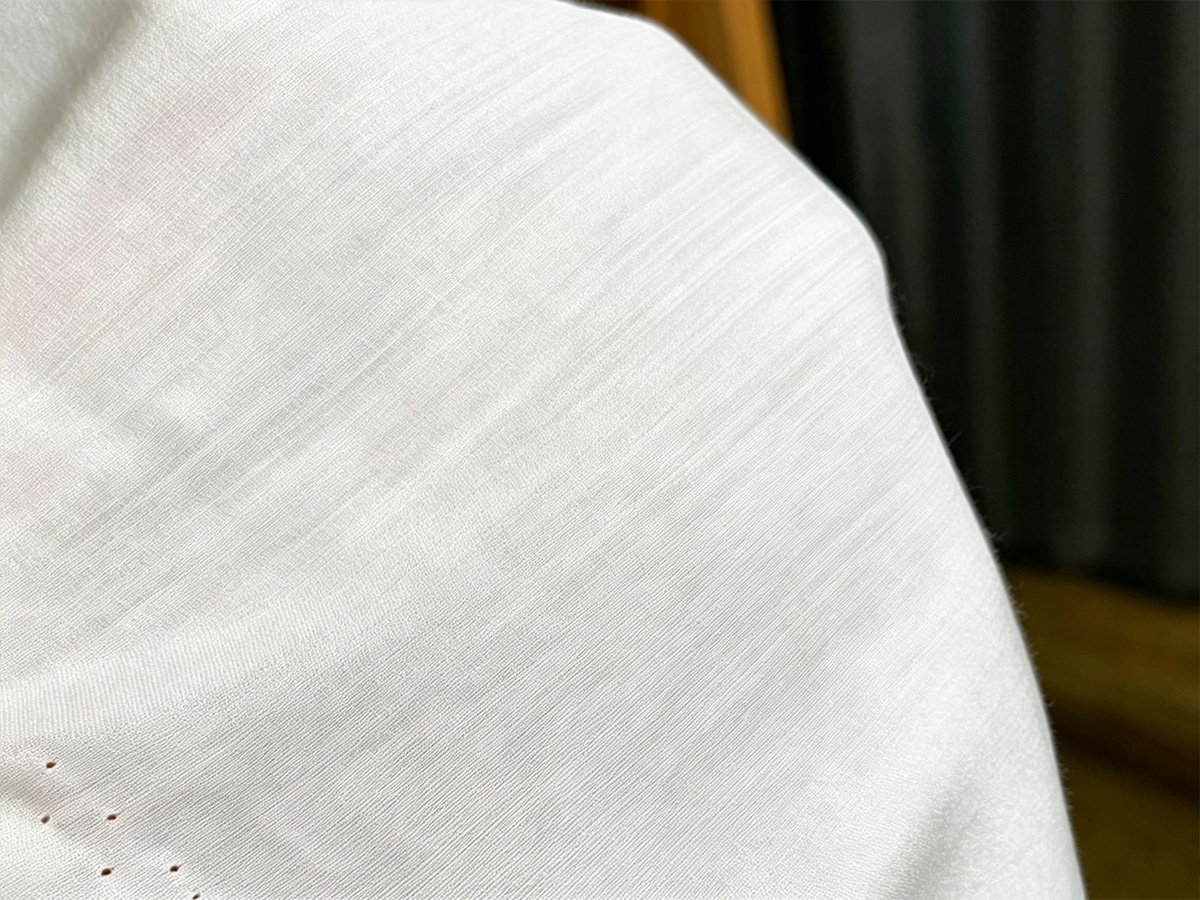
Substantial and comfortable, selected for premium apparel, pajamas, robes, pillowcases, and products requiring more body and durability.
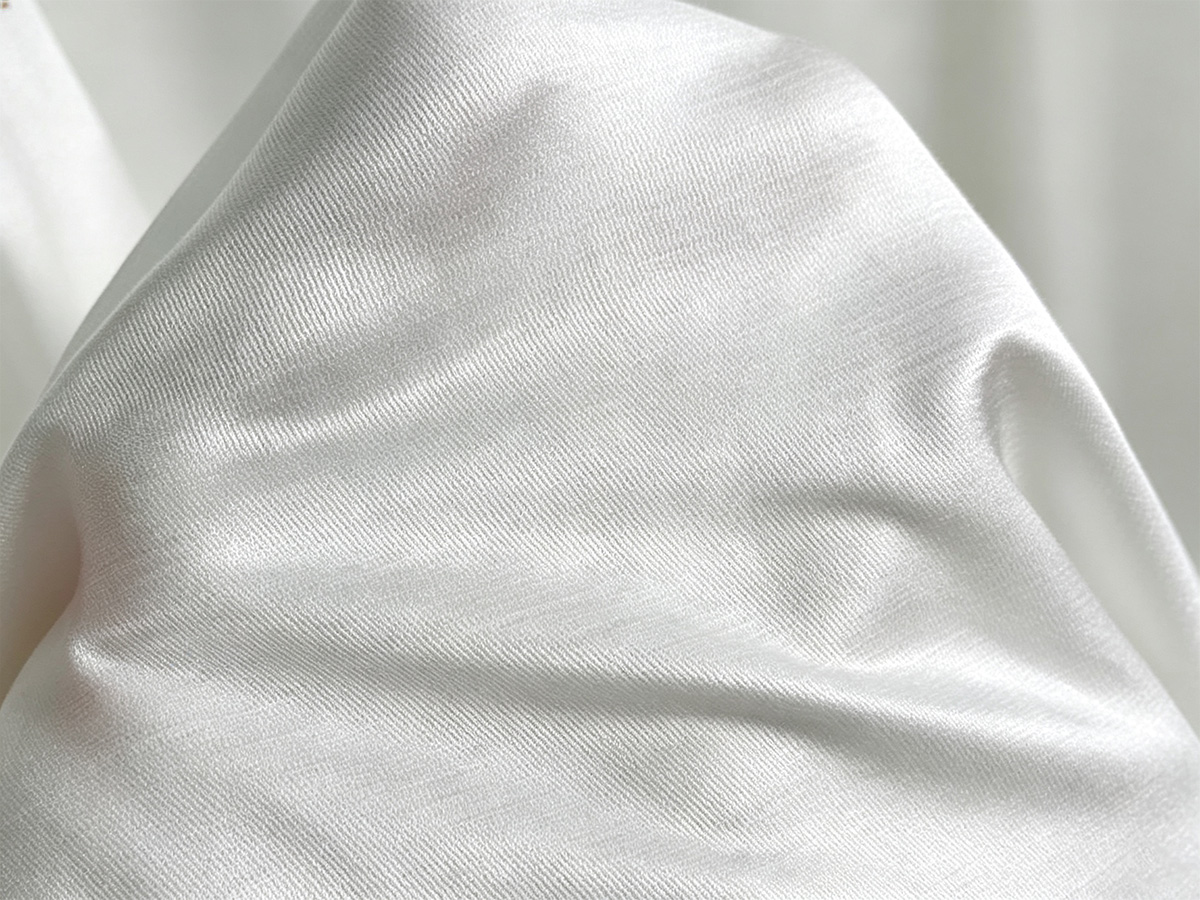
Soft satin luster with a fuller hand, suitable for dresses, blouses, sleepwear, scarves, and elevated home textile products.
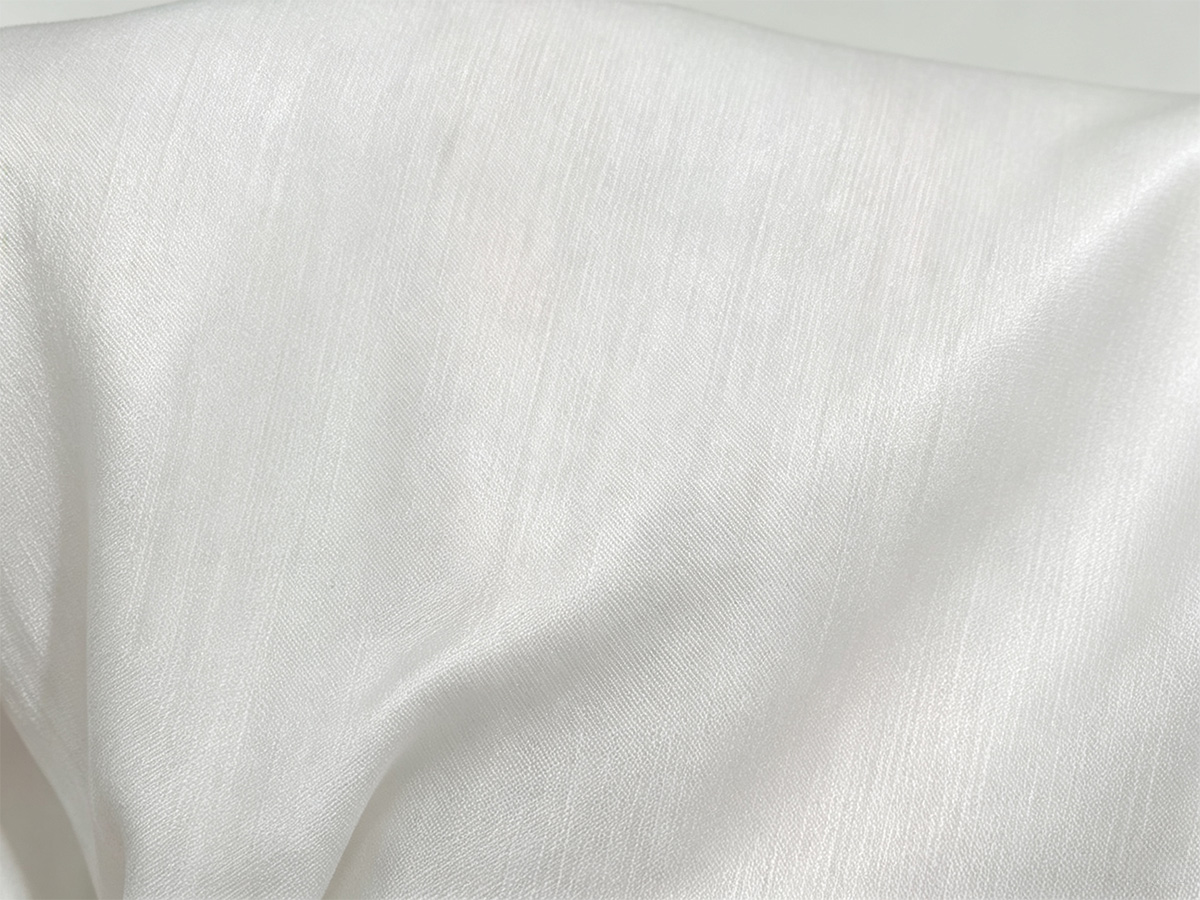
Heavier and more durable, selected for structured apparel, robes, jackets, cushion covers, curtains, and long-lasting home textile applications.
Key Features of Silk Cotton Fabric
Silk cotton fabric offers a practical balance between silk softness, cotton comfort, moisture management, and everyday durability. The final performance depends on the selected fiber ratio, momme, weave, color, and finish.
- AppearanceA smooth and soft surface with a subtle silk character; satin and twill versions create different visual effects.
- ComfortLightweight qualities can feel breathable and skin-friendly, with cotton contributing to moisture comfort.
- DurabilityThe cotton component can make the blend more robust for regular wear than comparable lightweight pure silk qualities.
- Weather useThe blend can provide breathability in warmer conditions and useful warmth in cooler conditions.
- SelectionBlend ratio, momme, weave, color, finish, and end use should be reviewed together before sampling.
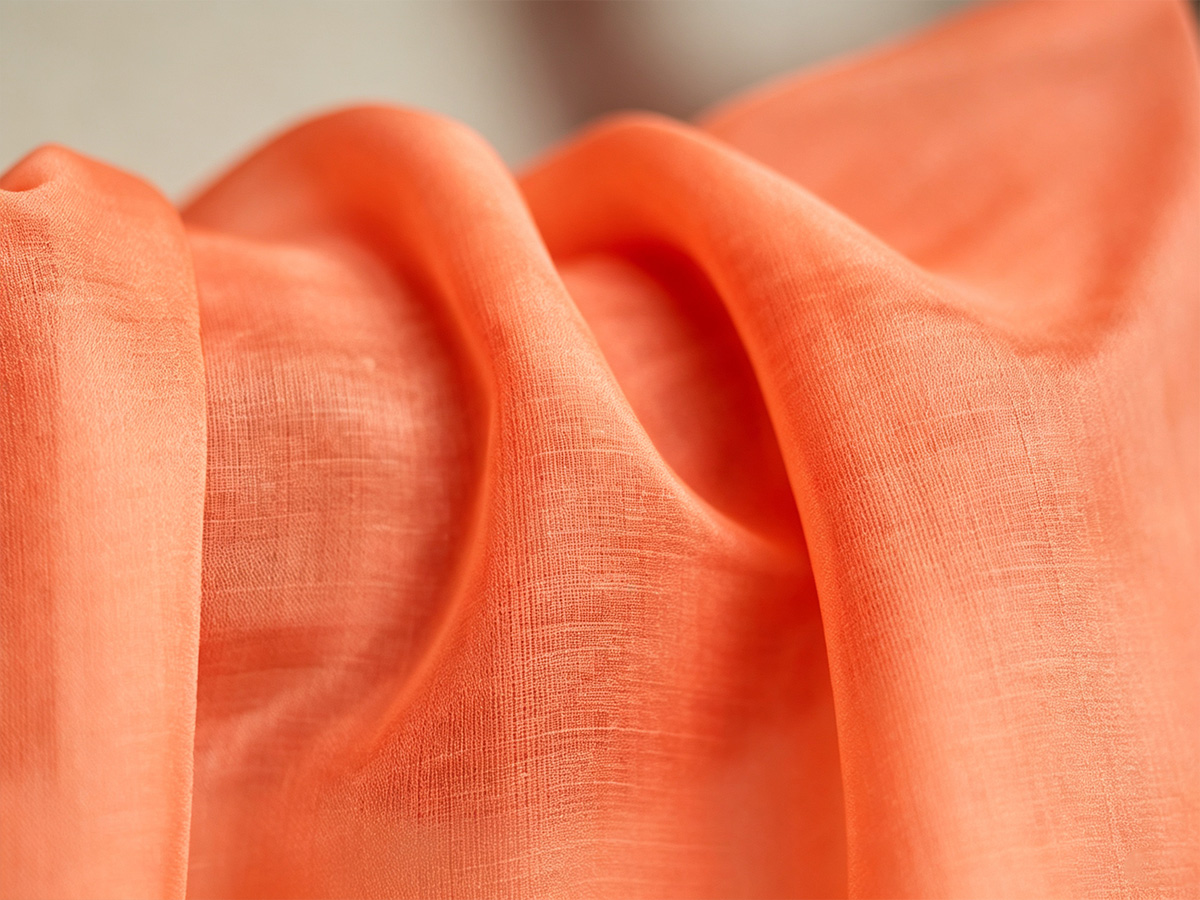
What Is Silk Cotton Fabric Used For?
Silk cotton is selected when a product needs a comfortable natural blend, breathable wear, practical durability, and a softer premium appearance.
- ApparelShirts, blouses, dresses, skirts, casual jackets, pajamas, robes, kimonos, and relaxed fashion.
- AccessoriesScarves, bandanas, hair accessories, wraps, ties, and other products that benefit from a soft blended hand.
- Sleepwear and loungewearComfort-focused pajamas, robes, nightwear, and homewear with breathable everyday performance.
- Home textilesPillowcases, cushion covers, curtains, table details, and decorative products in plain, satin, or twill qualities.
- Custom printed productsPrinted fashion, promotional products, creative collections, and private label projects using supplied artwork.
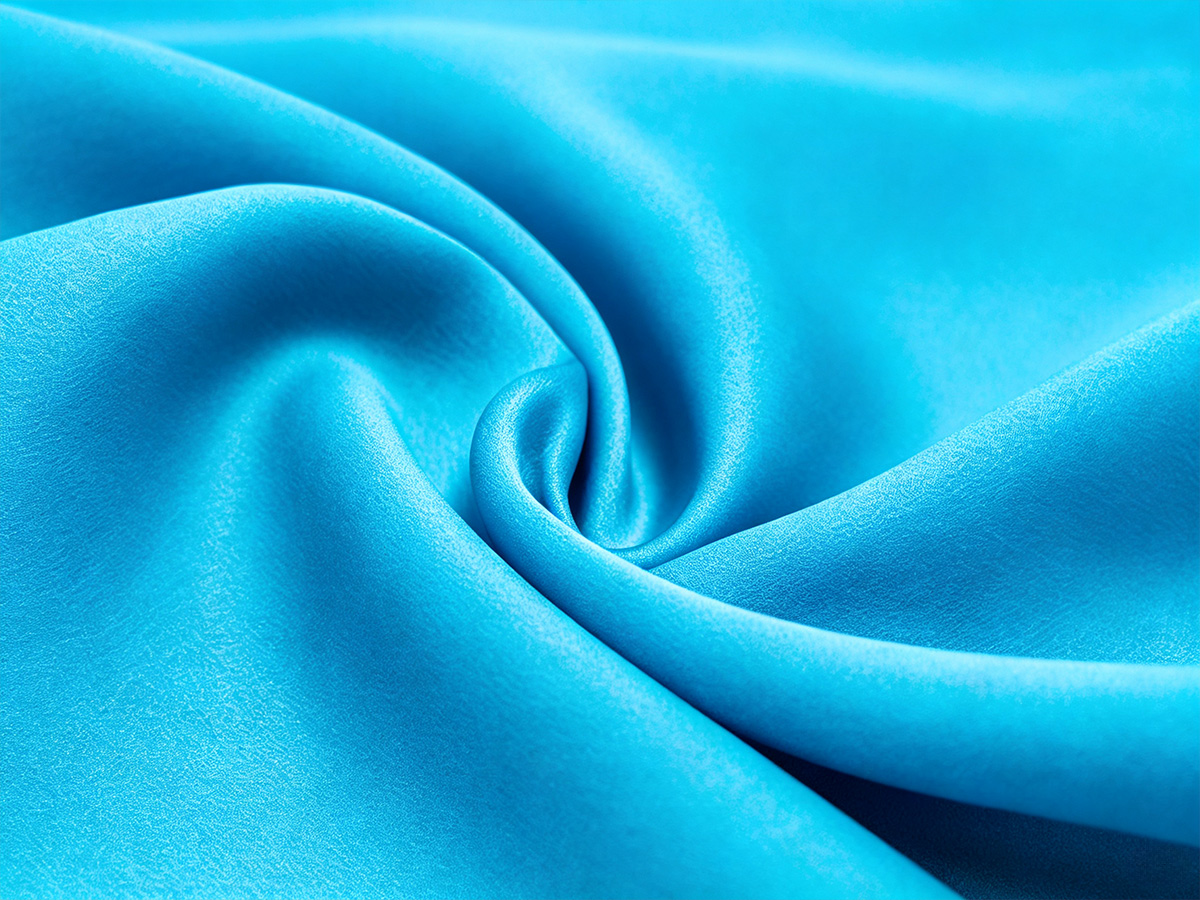
Silk Cotton Fabric Production Process
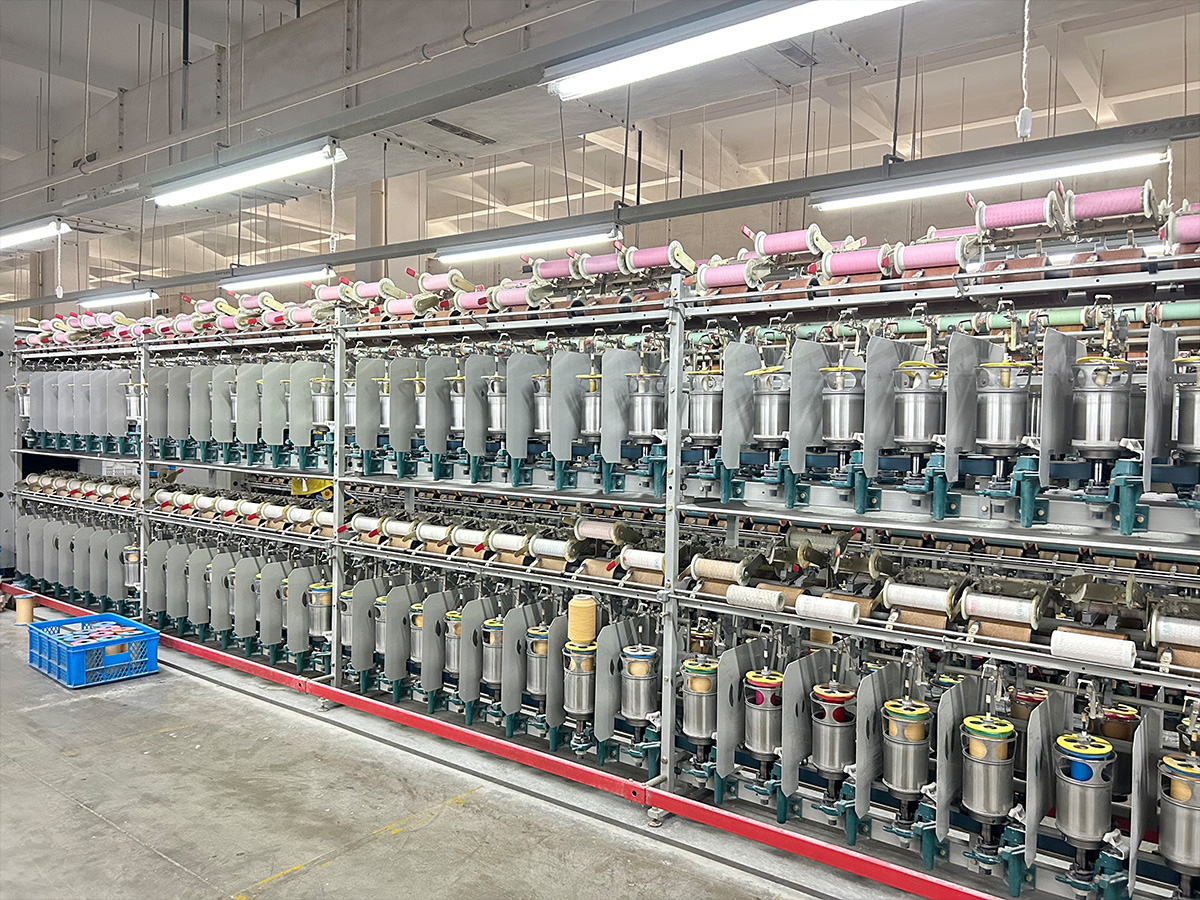
High-quality silk cotton starts with careful fiber selection, accurate blending, and controlled spinning. The selected silk and cotton fibers are mixed according to the approved ratio and spun into even yarn before weaving.
- Raw materialsSelect silk and cotton fibers according to the required hand, strength, appearance, and price direction.
- Fiber blendingControl the approved silk/cotton ratio so the final fabric remains consistent from sample to bulk production.
- SpinningProduce stable blended yarn with the evenness required for plain, satin, twill, or other fabric constructions.
- WeavingDevelop plain, satin, twill, and related structures to create different surfaces, drapes, and levels of body.
- FinishingDyeing, printing, washing, softening, inspection, and packing are coordinated with the approved sample.
Cocoonman's Wholesale Silk Cotton Solutions
Cocoonman organizes wholesale silk cotton supply around clear blend specifications, practical development support, and stable communication from sample approval to bulk delivery.
- Blend selectionCompare silk/cotton ratios, momme weights, widths, weaves, colors, finishes, and final use before sampling.
- Customization supportDiscuss undyed, plain dyed, printed, satin, twill, custom color, finishing, and packing requirements.
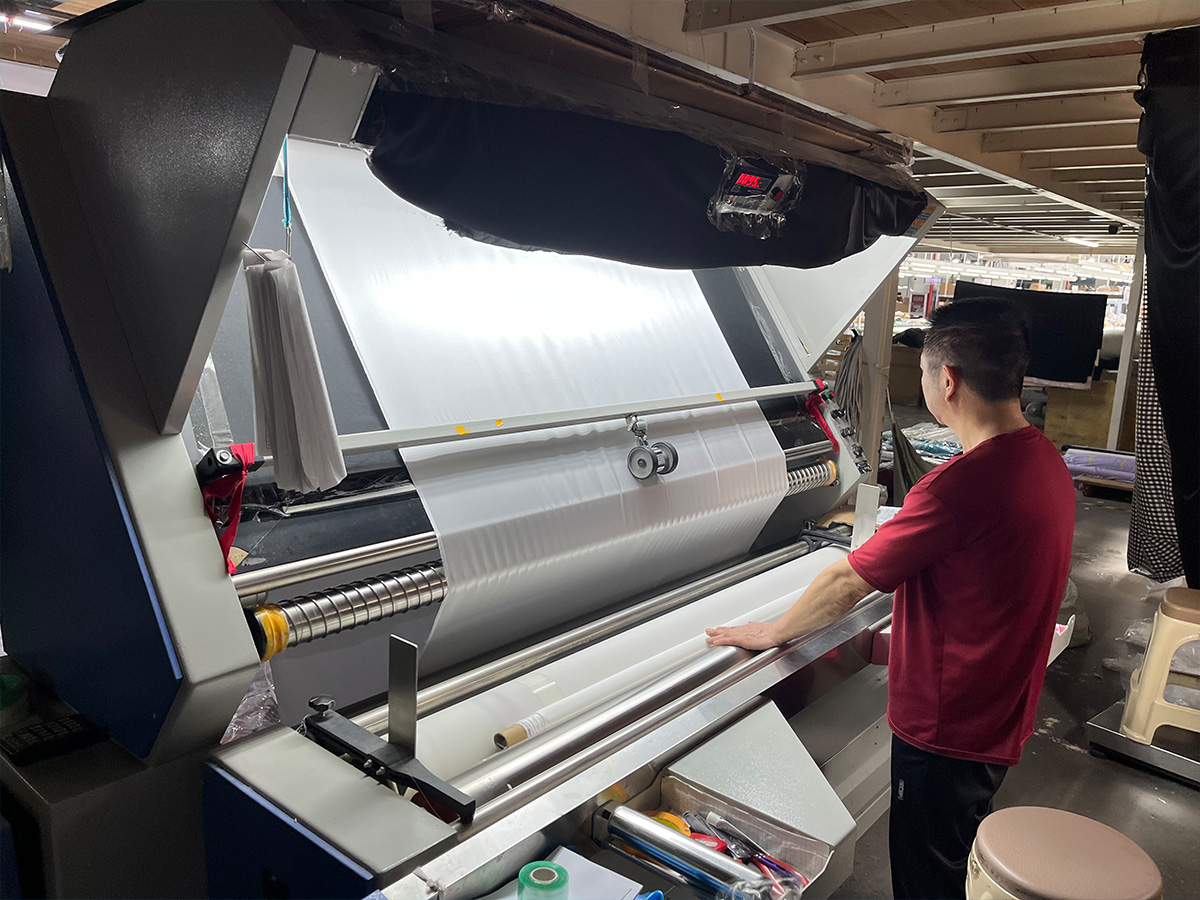
- Quality controlKeep the approved direction aligned through fiber blending, spinning, weaving, dyeing, printing, finishing, inspection, and packing.
- Flexible orderingWholesale, OEM, ODM, private label, and selected low-MOQ programs can be discussed according to the project.
- Repeat supplyApproved samples and documented specifications help support consistent repeat orders for growing collections.
Silk Cotton Fabric Care Guide
Compared with many pure silk qualities, silk cotton can be more practical for regular use, but care should still follow the approved blend, dyeing, finishing, and garment label requirements.
- WashingDry cleaning is often preferred. If hand washing is approved, use gentle handling, mild detergent, and avoid prolonged soaking.
- DryingGently absorb excess water with a towel and hang or lay flat to dry naturally; avoid tumble drying unless specifically approved.
- IroningUse a low or silk setting and test the reverse side first, especially for printed or finished qualities.
- StorageKeep the fabric clean, dry, and away from prolonged direct sunlight to help protect color and surface appearance.
- Bulk guidanceConfirm shrinkage, colorfastness, and care labeling from the approved sample before final production.
TEXTILE SAFETY & COMPLIANCE
Product Safety and Compliance Support
Cocoonman can discuss applicable fiber composition, colorfastness, shrinkage, testing, and compliance documentation according to the selected silk cotton quality, order specification, and destination market.
Please contact our sales team for available certification documents, product scope, and testing requirements related to your order.