Wholesale Silk Rayon Blend Fabric Supplier
Silk rayon blend fabric combines the natural softness and refined appearance of silk with rayon's smooth hand, fluid drape, and accessible everyday performance. It is a practical option for buyers who want a soft, flowing fabric story without relying only on pure silk.
As a wholesale silk rayon fabric manufacturer and supplier, Cocoonman provides undyed, plain dyed, and printed silk rayon fabric in different blend ratios, weights, widths, weave directions, and finishes. We support custom colors, printing, finishing, packing, and OEM/ODM development from sampling to bulk production.
Silk rayon is suitable for importers, wholesalers, retailers, fashion brands, and garment manufacturers developing dresses, blouses, skirts, shirts, scarves, wraps, sleepwear, robes, linings, accessories, and soft home textile products. The selected blend and construction can be matched to the required drape, hand feel, appearance, and price direction.
Tell us your target silk/rayon ratio, weight, weave, width, color, application, estimated quantity, or artwork. Cocoonman can recommend a suitable silk rayon base and discuss sample support, production requirements, and available MOQ options for your project.
Undyed, Plain Dyed & Printed Silk Rayon Fabric
Choose the right silk rayon base for your project, from a natural starting point to solid colors and custom printed artwork.
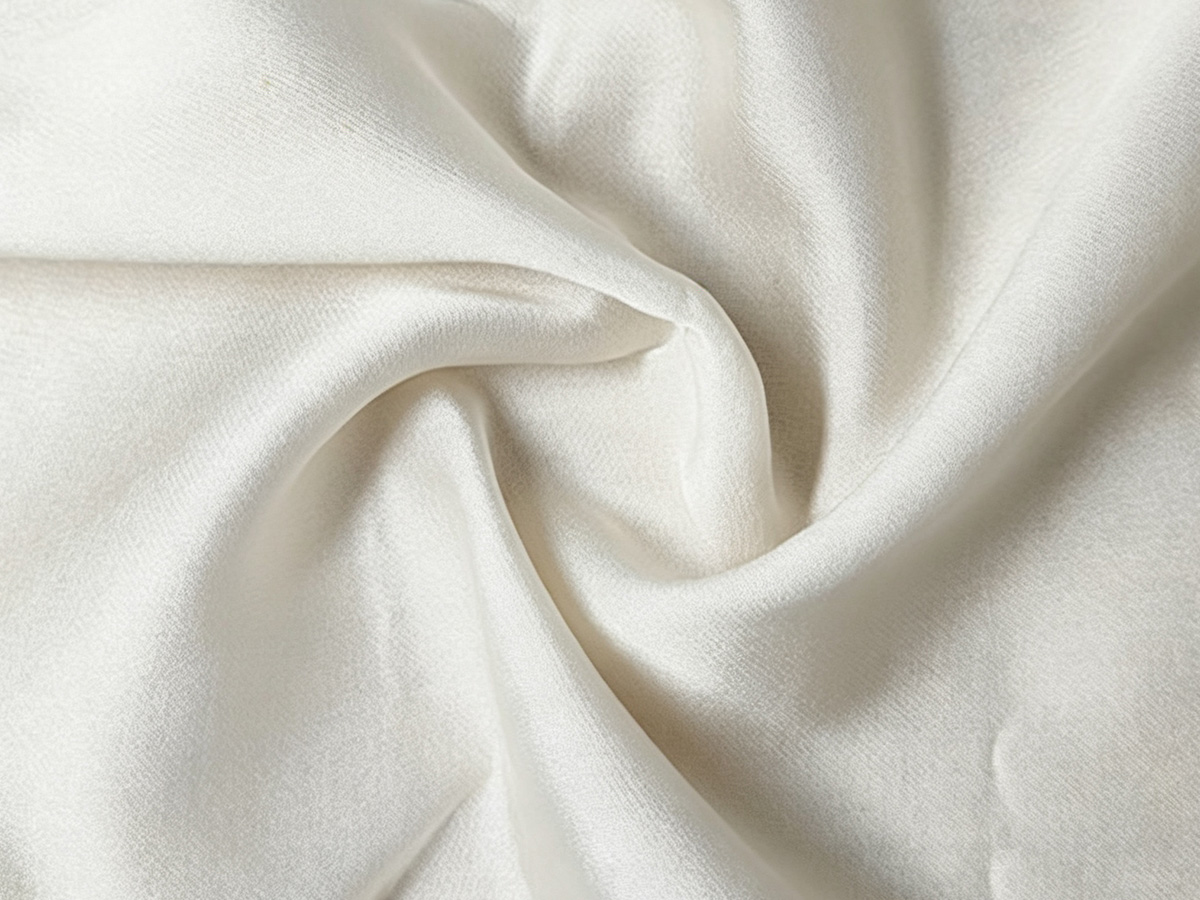
Undyed silk rayon provides a natural base for dyeing, printing, sampling, and creative development. It allows buyers to review the blend's hand, drape, and surface before adding a custom color or finish.
| Fiber | Silk and rayon blend by selected quality |
|---|---|
| Blend ratio | Project-based ratio to be confirmed before sampling |
| Construction | Plain, satin, twill, or related weave by quality |
| Weight | Lightweight to heavier qualities by project |
| Use | Dyeing, printing, sampling, and custom development |
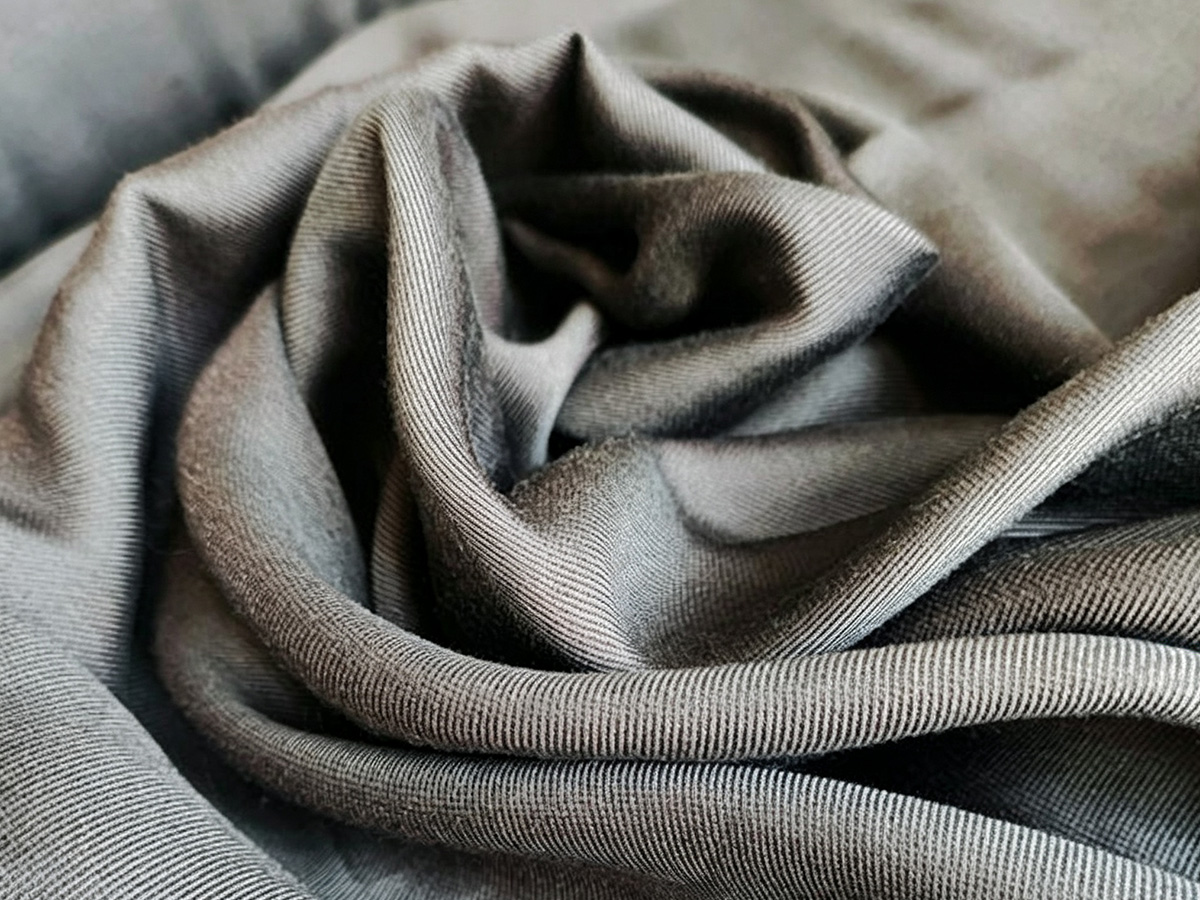
Plain dyed silk rayon is developed for buyers who need a consistent shade, smooth hand, and fluid drape across a collection. Cocoonman can discuss stock shades, custom color matching, lab-dip approval, and finishing according to the selected quality.
| Fiber | Silk and rayon blend by selected quality |
|---|---|
| Blend ratio | Project-based ratio to be confirmed before sampling |
| Construction | Plain, satin, twill, or related weave by quality |
| Color | Stock shades and custom colors available by quality |
| Support | Lab dips, bulk color approval, finishing, and packing |
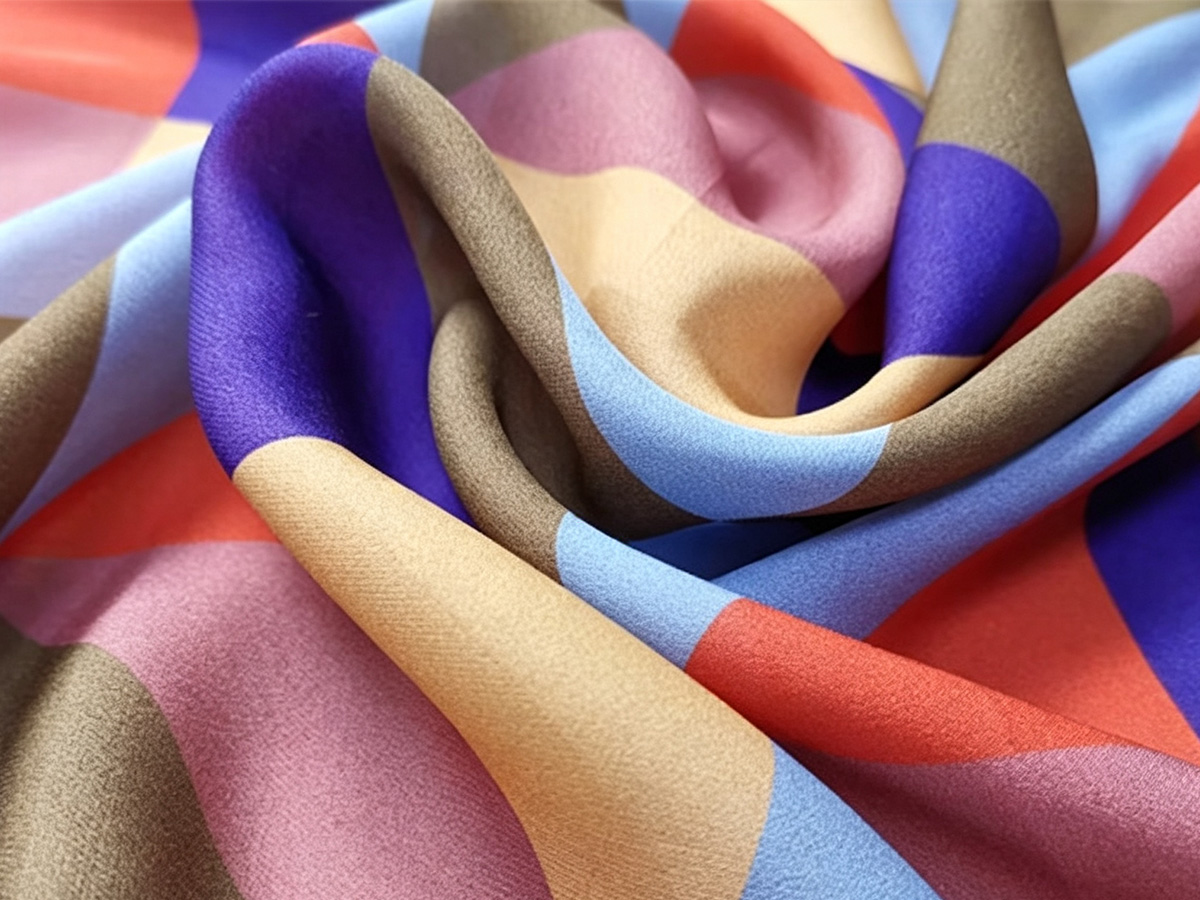
Printed silk rayon supports custom artwork, repeat patterns, and expressive fashion collections that need a soft, flowing base. Share your artwork, repeat size, and color direction for print review and strike-off discussion.
| Fiber | Silk and rayon blend by selected quality |
|---|---|
| Blend ratio | Project-based ratio to be confirmed before sampling |
| Construction | Plain, satin, twill, or related weave by quality |
| Pattern | Stock designs or customized artwork |
| Printing | Digital, screen, reactive, and other methods by project |
Advantages of Silk Rayon Fabric
Silk rayon fabric balances a refined silk character with rayon softness, fluidity, and practical options for fashion and home textile development.
The blend provides a soft, smooth, and comfortable hand for apparel, sleepwear, scarves, and products worn close to the body.
Rayon contributes flowing movement and graceful drape, helping create relaxed silhouettes, dresses, blouses, wraps, and layered details.
Silk can add a subtle natural luster and premium visual character, while the selected weave controls the final surface effect.
Depending on the ratio and construction, the blend can provide lightweight breathability and moisture comfort for everyday products.
Different blend ratios, weights, weaves, colors, prints, and finishes support custom collections and private label programs.
Silk Rayon Blend and Construction Options
Silk rayon fabric can be developed with different silk/rayon ratios, weights, widths, and weave directions. The chosen composition and construction affect softness, luster, drape, opacity, strength, and price.
The local reference series below helps compare nearby silk constructions when deciding whether your project needs a crepe texture, smooth satin surface, added stretch, or diagonal twill structure.
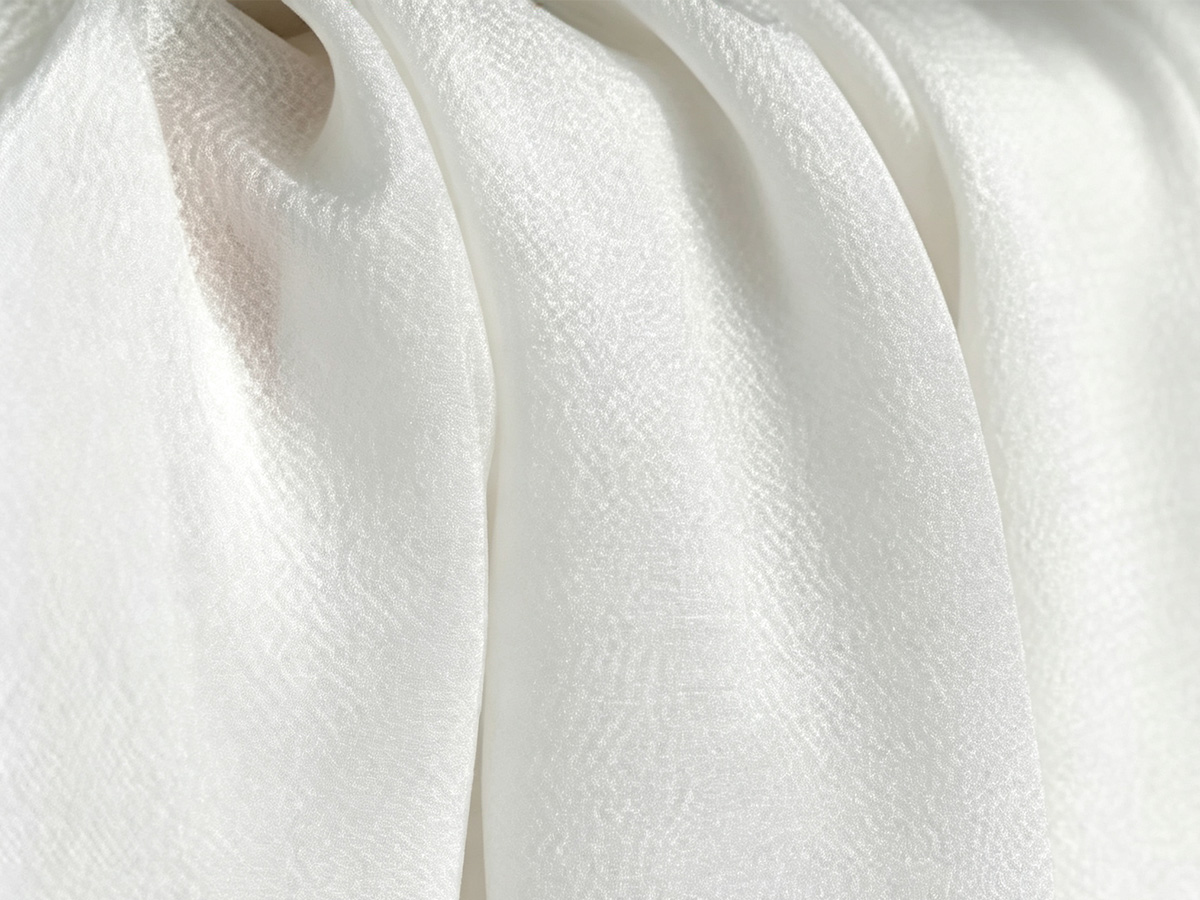
A fine crepe surface adds subtle texture and a softer matte effect. Consider this direction when the project needs visual depth with fluid movement.
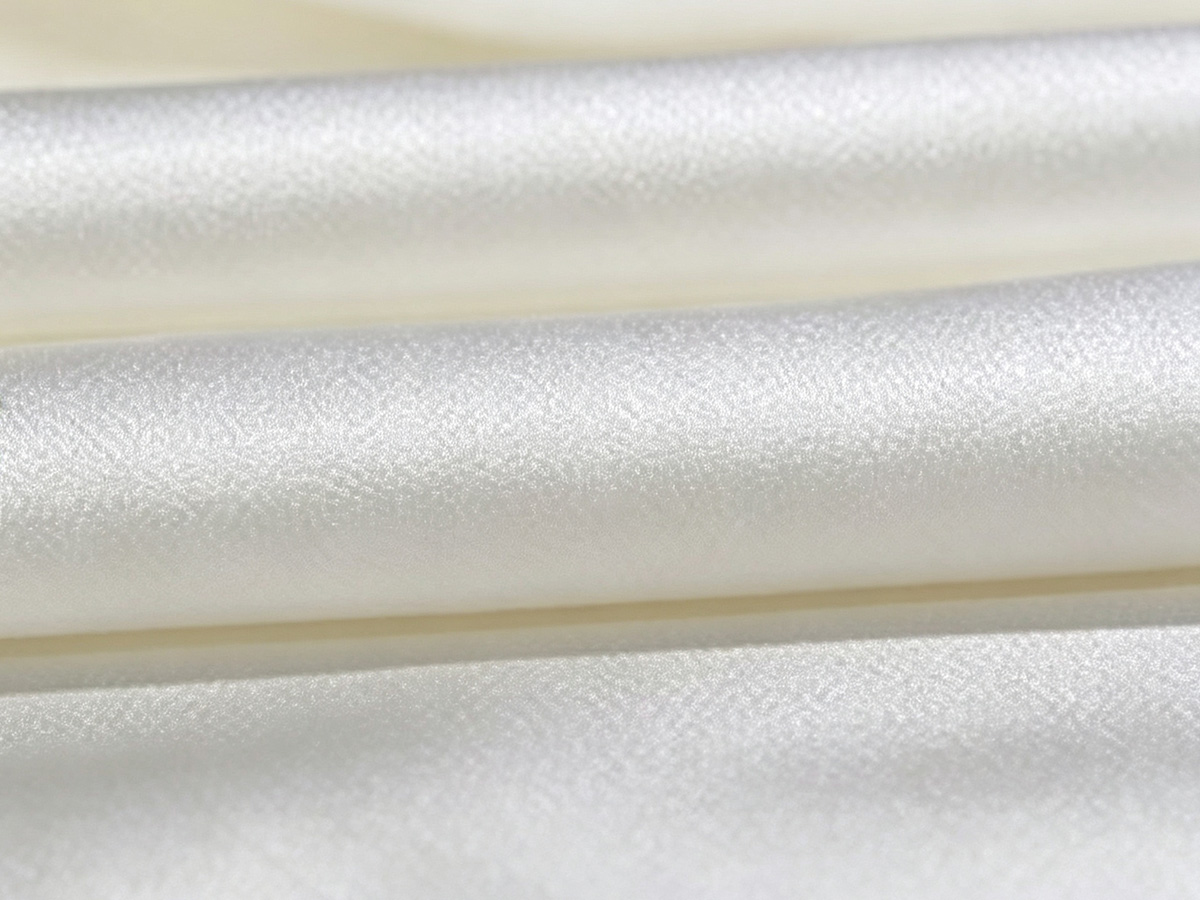
A smoother surface with more visible luster can create a polished appearance for dresses, blouses, sleepwear, accessories, and home textiles.
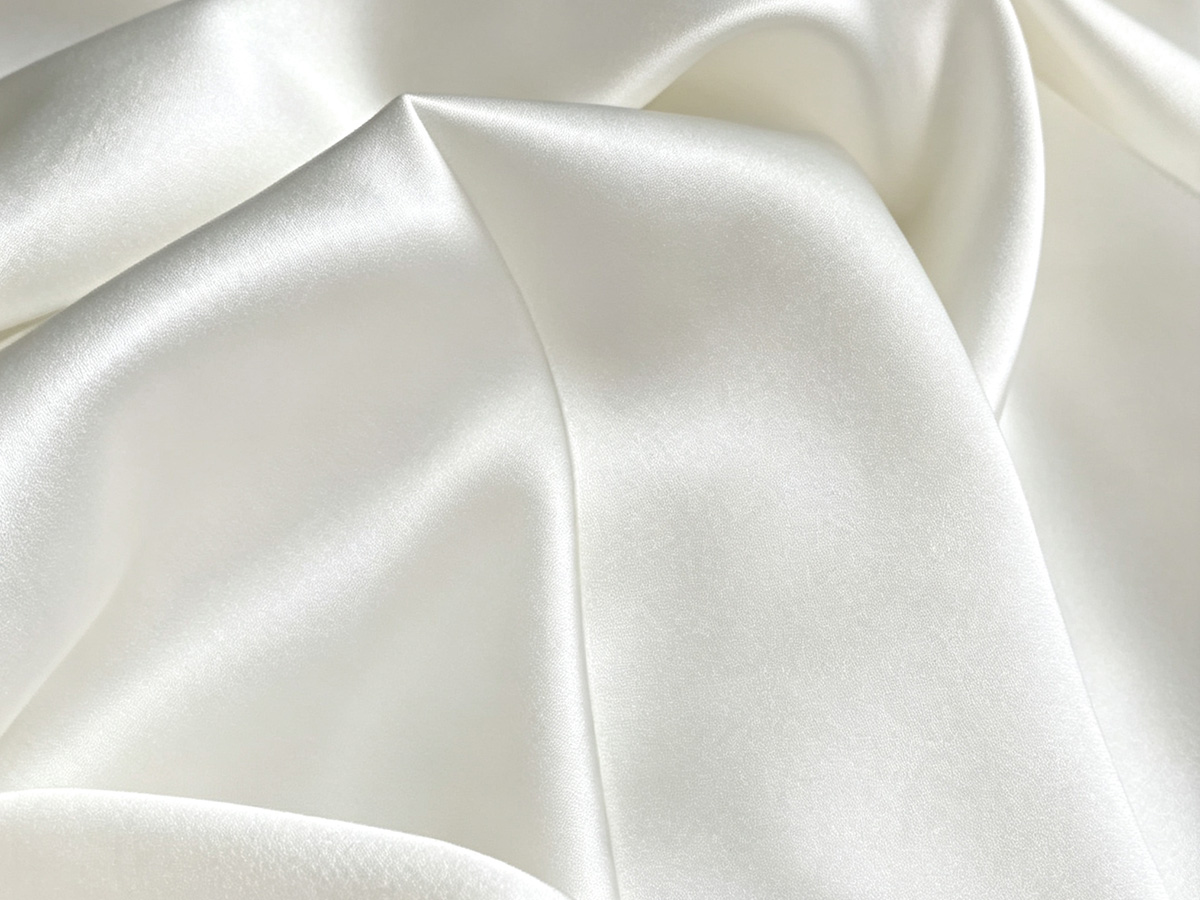
If the product needs additional flexibility and ease of movement, discuss a stretch construction and recovery requirement before sampling.
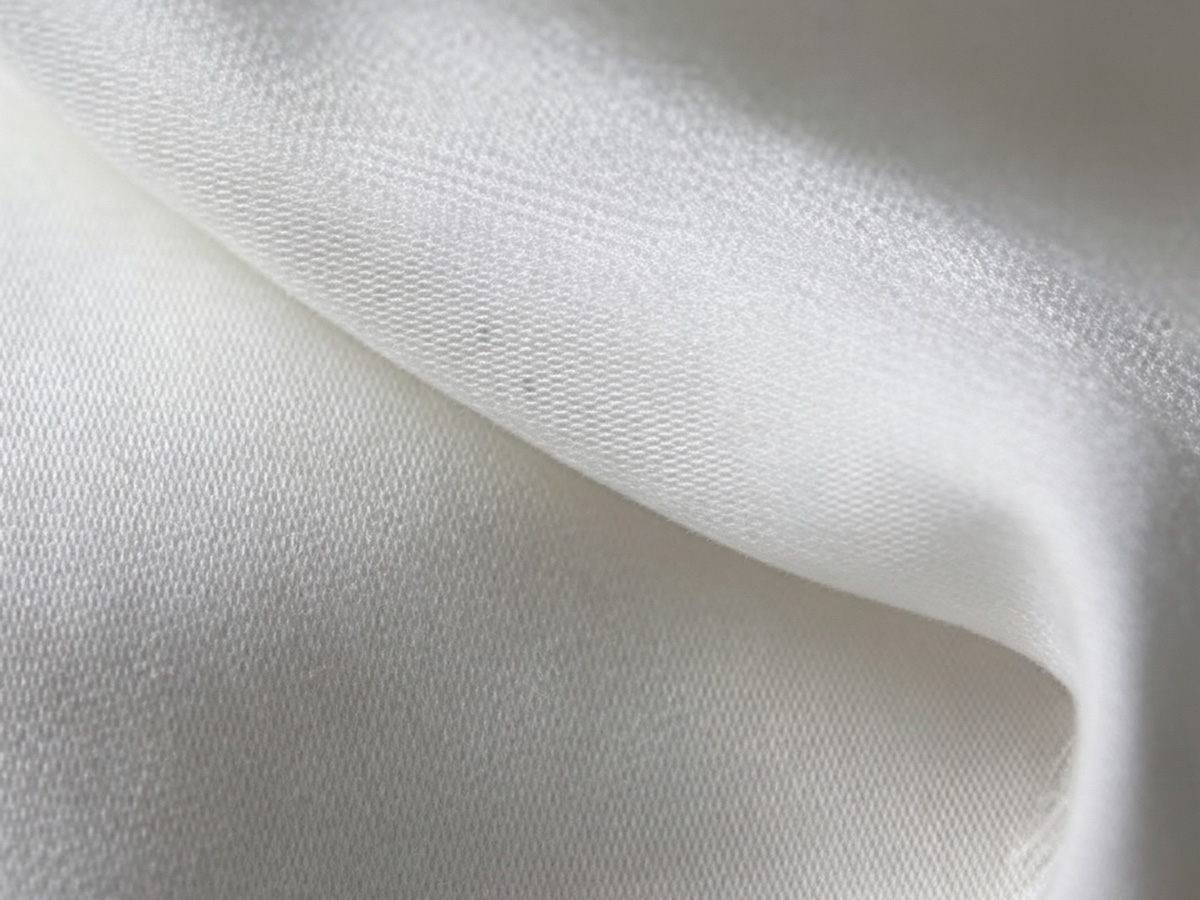
A diagonal twill structure can create more visible texture, body, and resistance for selected apparel, accessories, and lining applications.
Key Features of Silk Rayon Fabric
Silk rayon fabric is selected when a product needs a balance of softness, fluid drape, smooth appearance, and practical accessibility. The final result depends on the silk/rayon ratio, yarn, weave, weight, dyeing, and finishing.
- Hand feelSoft and smooth, with the final touch adjusted by fiber ratio, yarn, construction, and finishing.
- AppearanceA subtle silk character can be combined with a clean, smooth, or textured surface according to the weave.
- DrapeRayon can support fluid movement for dresses, blouses, skirts, scarves, wraps, and relaxed silhouettes.
- ComfortLightweight qualities can provide breathable, skin-friendly comfort for apparel and soft accessories.
- SelectionConfirm fiber content, weight, width, weave, colorfastness, shrinkage, and care requirements before bulk production.
What Is Silk Rayon Fabric Used For?
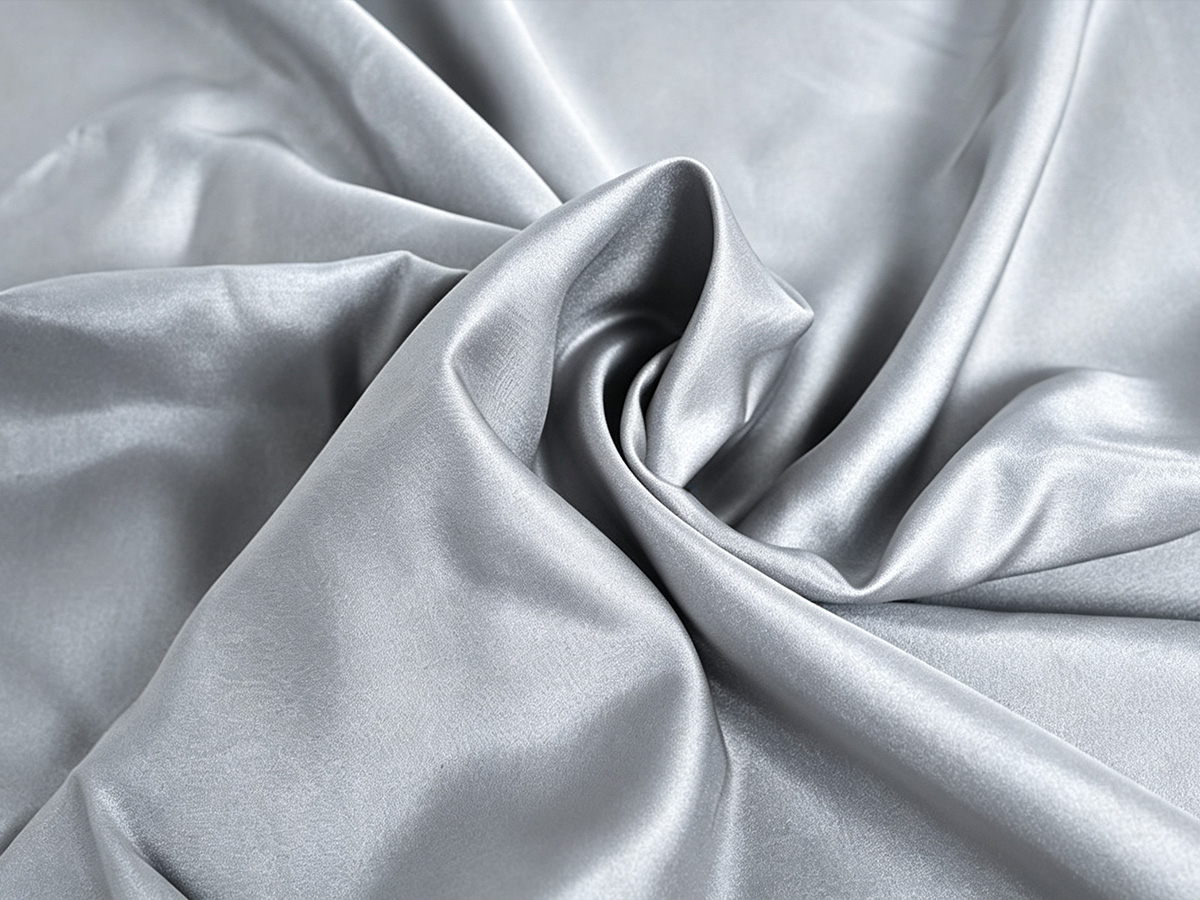
Silk rayon is selected when a product needs a soft blended hand, flowing drape, breathable comfort, and a more accessible premium appearance.
- Fashion apparelDresses, blouses, skirts, shirts, camisoles, wide-leg trousers, flowing sleeves, and relaxed fashion pieces.
- OccasionwearFormal dresses, eveningwear, wraps, shawls, overlays, and garments that need fluid movement.
- Sleepwear and loungewearPajamas, robes, nightwear, kimonos, and soft homewear with a comfortable drape.
- AccessoriesScarves, bandanas, ribbons, hair accessories, ties, and printed fashion details.
- Home textilesSelected pillowcases, cushion covers, curtains, decorative panels, and other soft home products.
Silk Rayon Fabric Production Process
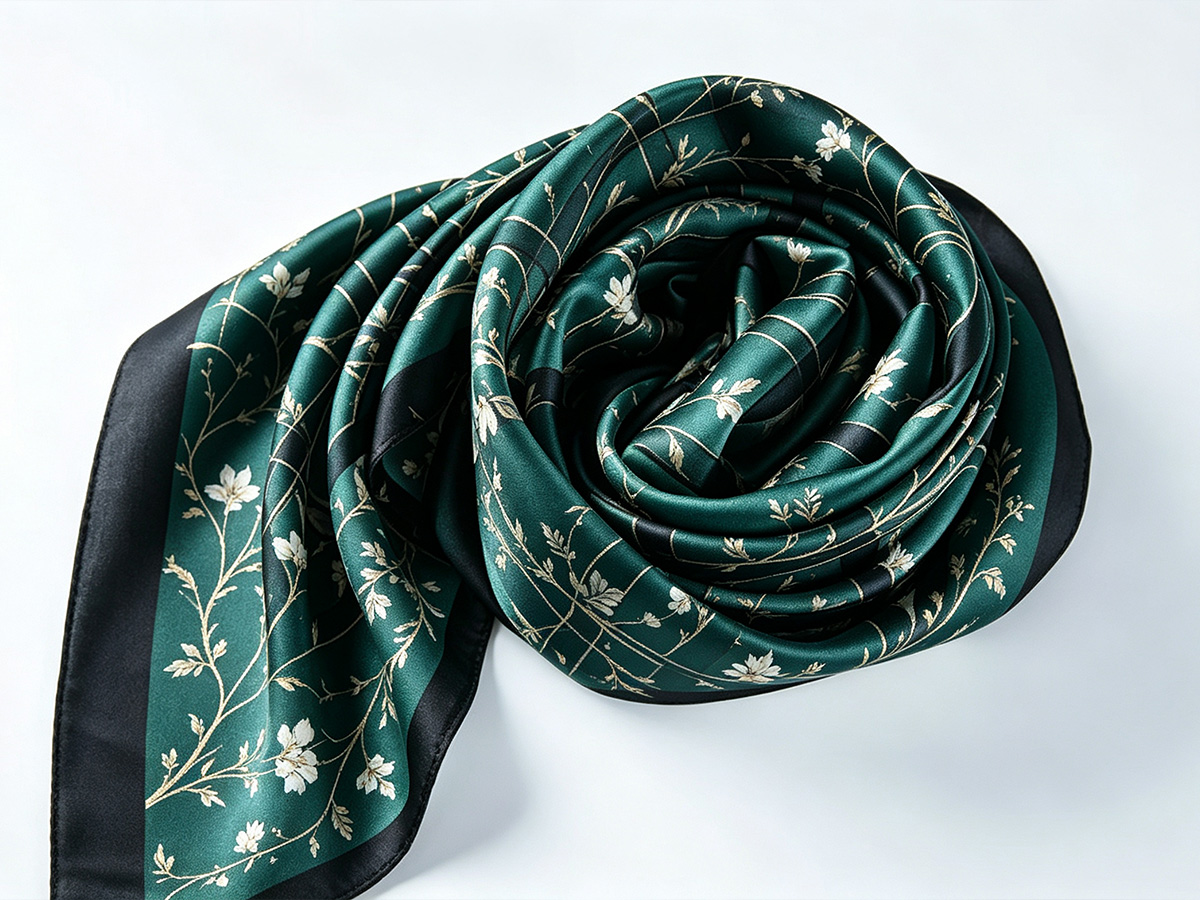
A consistent silk rayon fabric starts with controlled fiber selection, blend preparation, spinning, weaving, dyeing, and finishing. Each stage affects the final hand, appearance, drape, and performance.
- Fiber selectionSelect silk and rayon according to the required softness, luster, drape, durability, and price direction.
- Blend preparationConfirm the approved fiber ratio and prepare the fibers for even yarn formation and stable production.
- SpinningDevelop blended yarn with the evenness required for the selected plain, satin, twill, or related construction.
- WeavingUse the selected weave to control surface character, luster, body, drape, and opacity.
- FinishingDyeing, printing, softening, inspection, and packing are coordinated with the approved sample and end use.
Cocoonman's Wholesale Silk Rayon Solutions
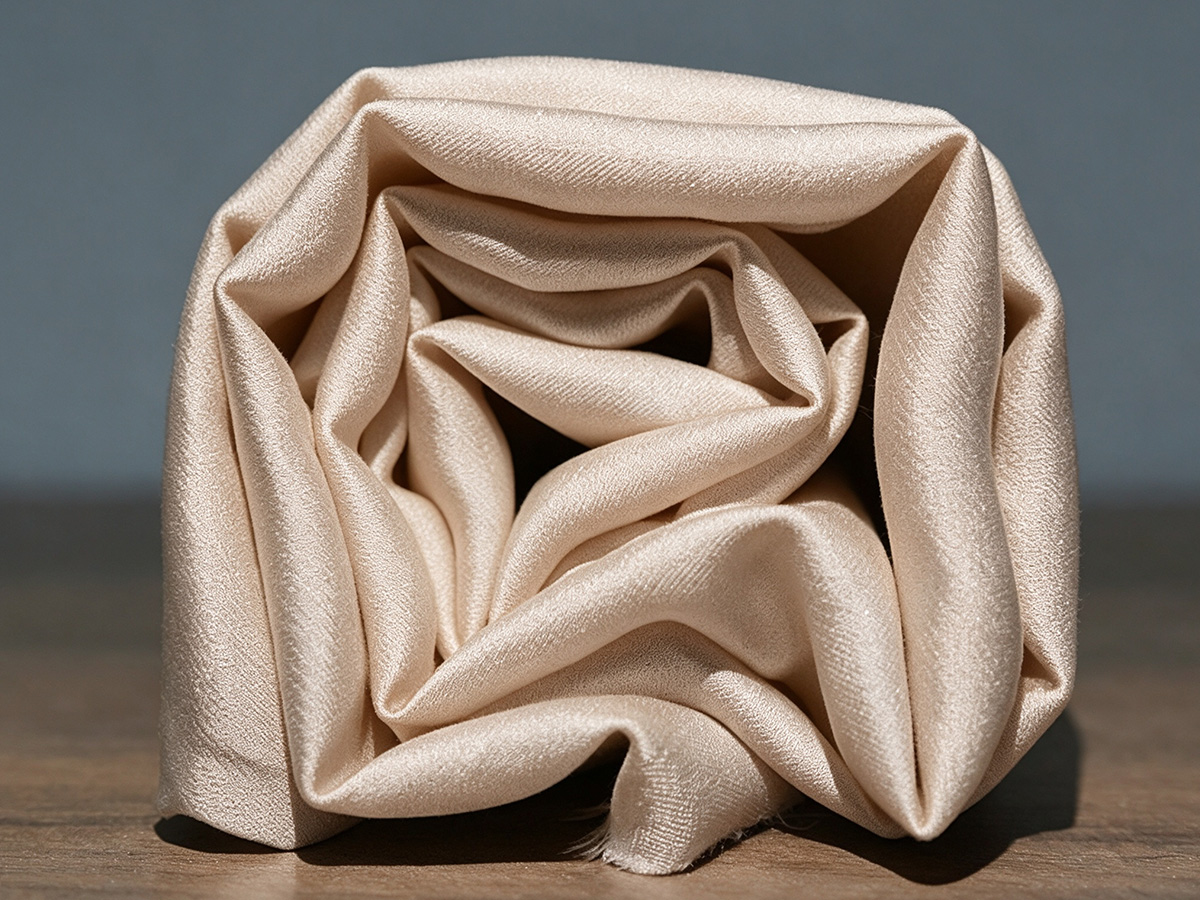
Cocoonman organizes wholesale silk rayon supply around clear blend specifications, practical development support, and stable communication from sample approval to bulk delivery.
- Blend selectionCompare silk/rayon ratio, weight, width, weave, luster, drape, color, finish, and final use before sampling.
- Customization supportDiscuss undyed, plain dyed, printed, satin, twill, custom color, finishing, and packing requirements.
- Quality controlKeep the approved direction aligned through fiber preparation, spinning, weaving, dyeing, printing, finishing, inspection, and packing.
- Flexible orderingWholesale, OEM, ODM, private label, and selected low-MOQ programs can be discussed according to the project.
- Repeat supplyApproved samples and documented specifications help support consistent repeat orders for growing collections.
Silk Rayon Fabric Care Guide
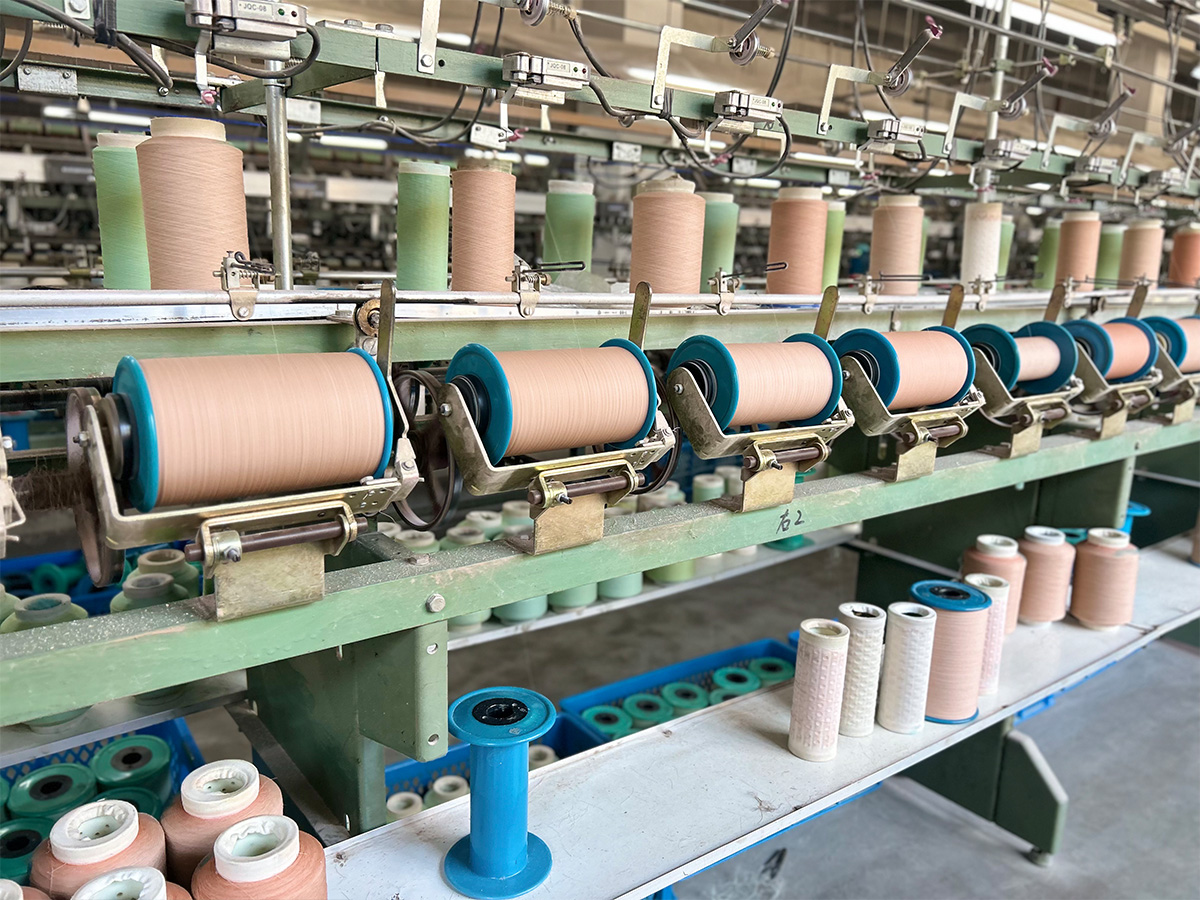
Care should follow the approved blend, dyeing, finishing, and garment label requirements. Silk rayon can be soft and fluid, so gentle handling helps protect the surface and shape.
- WashingDry cleaning is often preferred. If hand washing is approved, use cool or lukewarm water, mild detergent, and avoid prolonged soaking.
- DryingGently absorb excess water with a towel and dry naturally; avoid twisting, tumble drying, or high heat unless specifically approved.
- IroningUse a low or silk setting and test the reverse side first, especially for printed or finished qualities.
- StorageKeep products clean, dry, and away from prolonged direct sunlight to help protect color and surface appearance.
- Bulk guidanceConfirm shrinkage, colorfastness, and care labeling from the approved sample before final production.
TEXTILE SAFETY & COMPLIANCE
Product Safety and Compliance Support
Cocoonman can discuss applicable fiber composition, colorfastness, shrinkage, testing, and compliance documentation according to the selected silk rayon quality, order specification, and destination market.
Please contact our sales team for available certification documents, product scope, and testing requirements related to your order.