Are Silk Sleep Masks Worth Buying? A Complete Look at Comfort, Materials, and Supply Chain
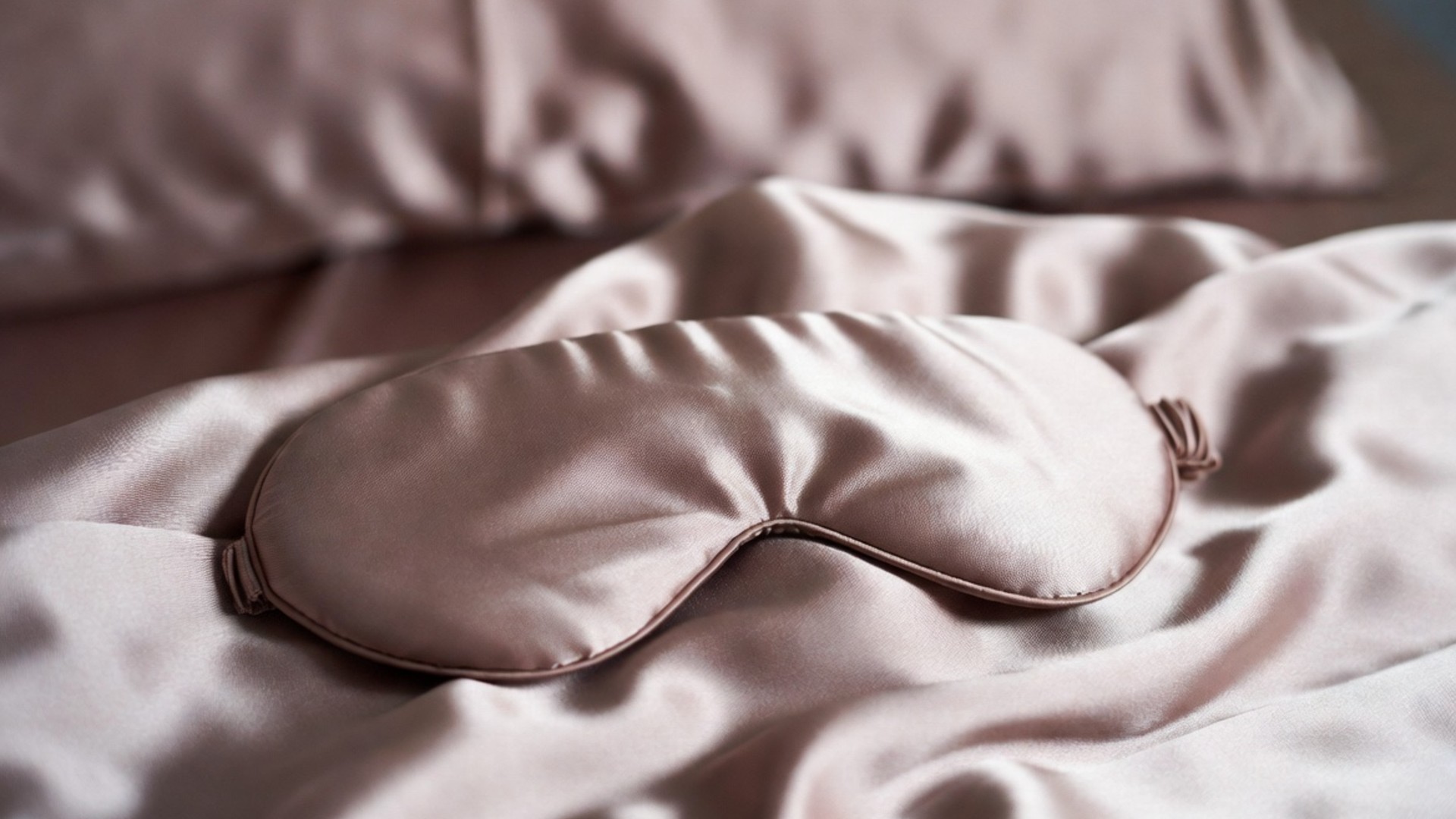
Many purchasing managers who travel frequently share the same experience: hotel curtains leak light, cabin lighting is harsh, and the eye masks bought at the last minute are either sweaty or press uncomfortably on the bridge of the nose. Truly high-quality eye masks that solve these issues are rare, and silk models are often mentioned again and again.
But questions remain: Are silk sleep masks really that good, or just an emotional purchase in the wave of consumer upgrades? When you’re choosing a reliable supplier for your brand, material quality, durability, and craftsmanship details directly influence complaint rates and repeat purchases.
The Real Sleep Difference a Silk Eye Mask Can Make
If you often wake up at six or seven in the morning because of sunlight coming through the window, you’ll notice the effect of a silk eye mask on the very first night. Its smooth, skin-friendly touch makes you almost forget you’re wearing it—no marks around the eyes and no stuffy feeling.
Many buyers from brands working with COCOONMAN mention this detail: in rooms where the AC is left on and the air is dry, silk still feels soft and supple, without tightening the eye area. This comfort comes from the natural protein fiber structure, which maintains gentle friction with the skin instead of the slight “gritty” feel that synthetic fibers sometimes create.
Stability Through the Night
Many eye masks slip off in the middle of the night, usually due to fabric weight and structural design. Because silk is lightweight, it requires more precise tension and panel shaping to fit the face. Experienced factories create curved transitions near the temples to reduce pressure when side sleeping.
Gentleness on the Skin
The skin around the eyes is thin, and rougher fabrics can cause slight pulling during frequent turning. Silk’s advantage isn’t just its “luxurious” feel—its naturally rounded fibers reduce micro-irritation, making it ideal for people who often wear eye makeup.
One buyer described wearing a silk sleep mask as: stepping into a softer world where light and friction quietly disappear.
Is a Silk Eye Mask Worth the Brand Investment? It Comes Down to Material and Craft Control
For B2B clients, a good eye mask is not only about texture but also about supply chain stability. From silk grade and momme weight to filling type and structural design, every element affects user experience and return rates.
Fabric Grade and Momme Define Quality
Common silk fabrics for eye masks include 19-momme and 22-momme silk, and the difference is obvious in daily use. Higher momme fabrics drape more naturally, maintain shape longer, and are less likely to wrinkle or collapse after a few months.
Mature OEM factories provide multiple fabric swatches and recommend momme weights based on use cases—for example, lighter options for travel, and more form-fitting, light-blocking options for home sleep.
- 19–22 momme is the most stable range for mainstream eye masks
- Darker colors provide better light blocking
- Silk floss or lightweight sponge fillings offer better conformity
- Adjustable elastic bands reduce return rates across regions
These details determine whether the eye mask stays just as comfortable even after two weeks of wear.
What to Look for in a Reliable OEM/ODM
For overseas brands, a long-term manufacturing partner must be assessed through sample lead time, color accuracy, sewing precision, and more. Silk products tolerate no rough handling—snags, skipped stitches, and wrinkles immediately affect final appearance.
Sampling and Reproduction Capability
Silk is sensitive to light and shadow, making color differences between batches highly visible. Skilled factories manage color with standardized swatches and keep batch samples to ensure consistent reproduction for repeat orders.
This is especially crucial for brands planning multi-color series or long-term SKUs.
In COCOONMAN’s workflow, fabric grade and momme are confirmed before sampling, followed by 2–3 craftsmanship options for clients to compare. The tactile feedback makes it easier to determine which structure fits the target audience.
Are Silk Sleep Masks Worth It? The Final Verdict
From a user perspective, the comfort improvement brought by silk sleep masks is real—especially for sensitive skin, light sleepers, and frequent travelers.
From a brand perspective, silk eye masks offer strong differentiation and premium feel, with flexible price ranges and stable demand in both repurchase and gifting scenarios. With a mature supply chain and proper craftsmanship control, they are not only “worth buying” but worth developing into a lasting product line.
In a category where competition intensifies each year, a truly comfortable, well-crafted silk eye mask can become a brand’s long-term signature.