Wholesale Corn Fiber Fabric Supplier
Corn fiber fabric is a sourcing category rather than one universal generic fiber name. In textile development, it may refer to corn-derived PLA (polylactic acid) fiber or another corn-based fiber system. The exact generic fiber name and composition must be confirmed before making a product claim.
When the approved material is corn-derived PLA fiber, it may be supplied as a PLA-rich fabric or blended with cotton, viscose, lyocell, wool, or other fibers. Do not assume that a corn-based product is 100% PLA, biodegradable, compostable, or recyclable without the relevant technical and certification documents.
Cocoonman can discuss undyed, dyed, and printed corn-based fiber fabric for apparel, accessories, home textiles, and creative material programs. Final hand feel, strength, heat response, dye route, and end-of-life behavior depend on the confirmed polymer, blend, construction, and finishing.
Tell us the required generic fiber name, bio-based content, blend ratio, construction, width, GSM, color, finish, application, and quantity. We can recommend a practical development route and arrange sample review.
Undyed, Dyed & Printed Corn Fiber Fabric
Develop a corn-based textile only after the generic fiber name, composition, and performance requirements are confirmed.
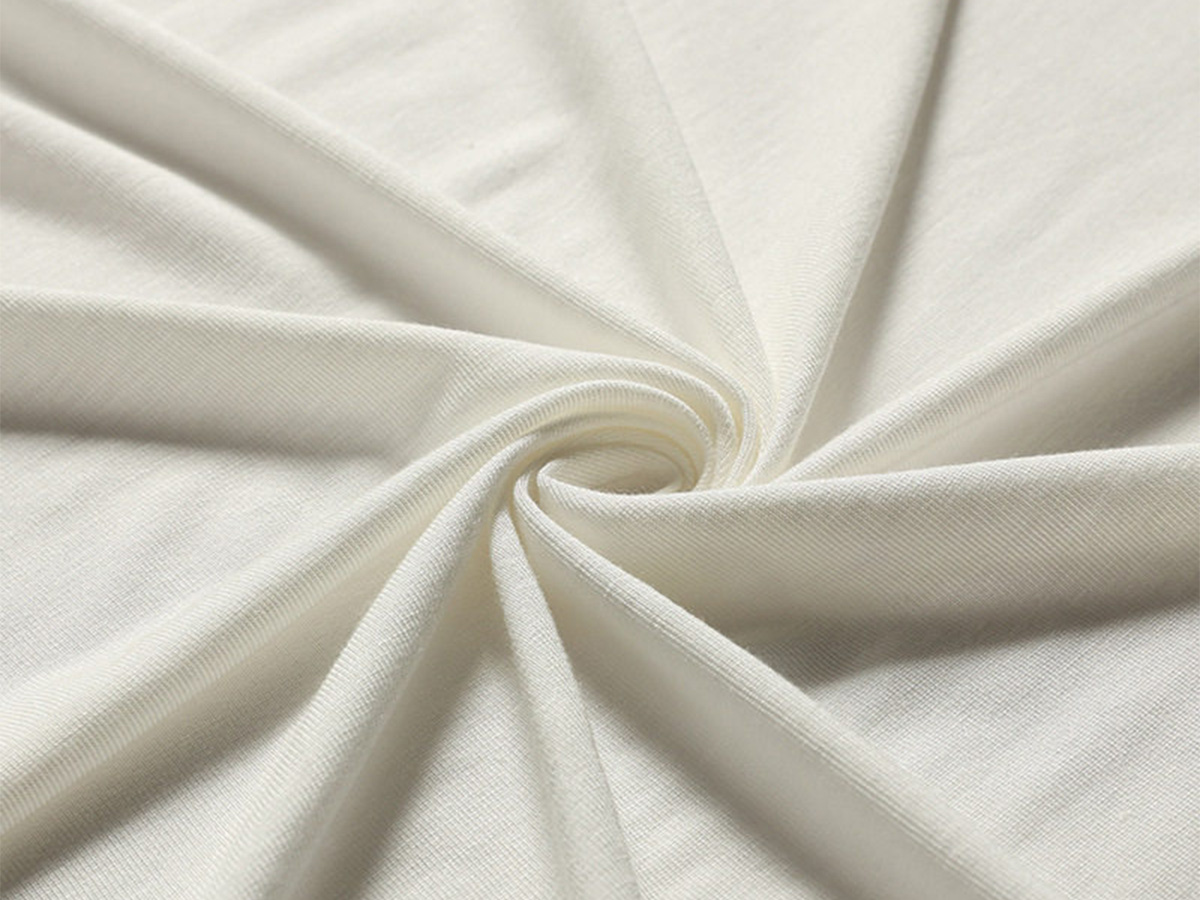
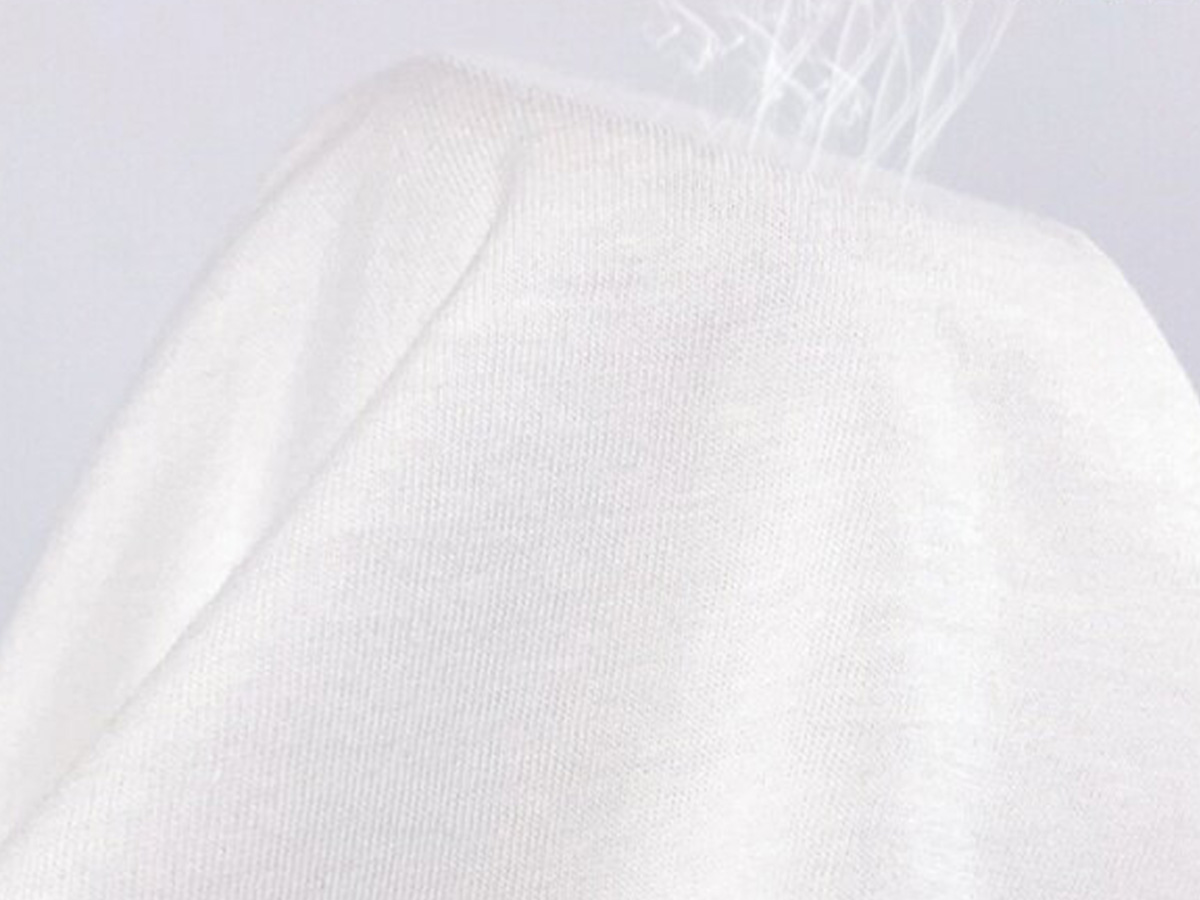
Undyed corn fiber fabric provides a neutral base for confirming fiber identity, color development, hand feel, construction, and finishing. The product name alone does not establish the composition.
| Fiber identity | Corn-derived PLA or another specified corn-based fiber system |
|---|---|
| Composition | 100% or blend only as stated on the approved specification |
| Development | Dyeing, printing, finishing, and sampling |
| Claims | Bio-based and end-of-life claims require documentation |
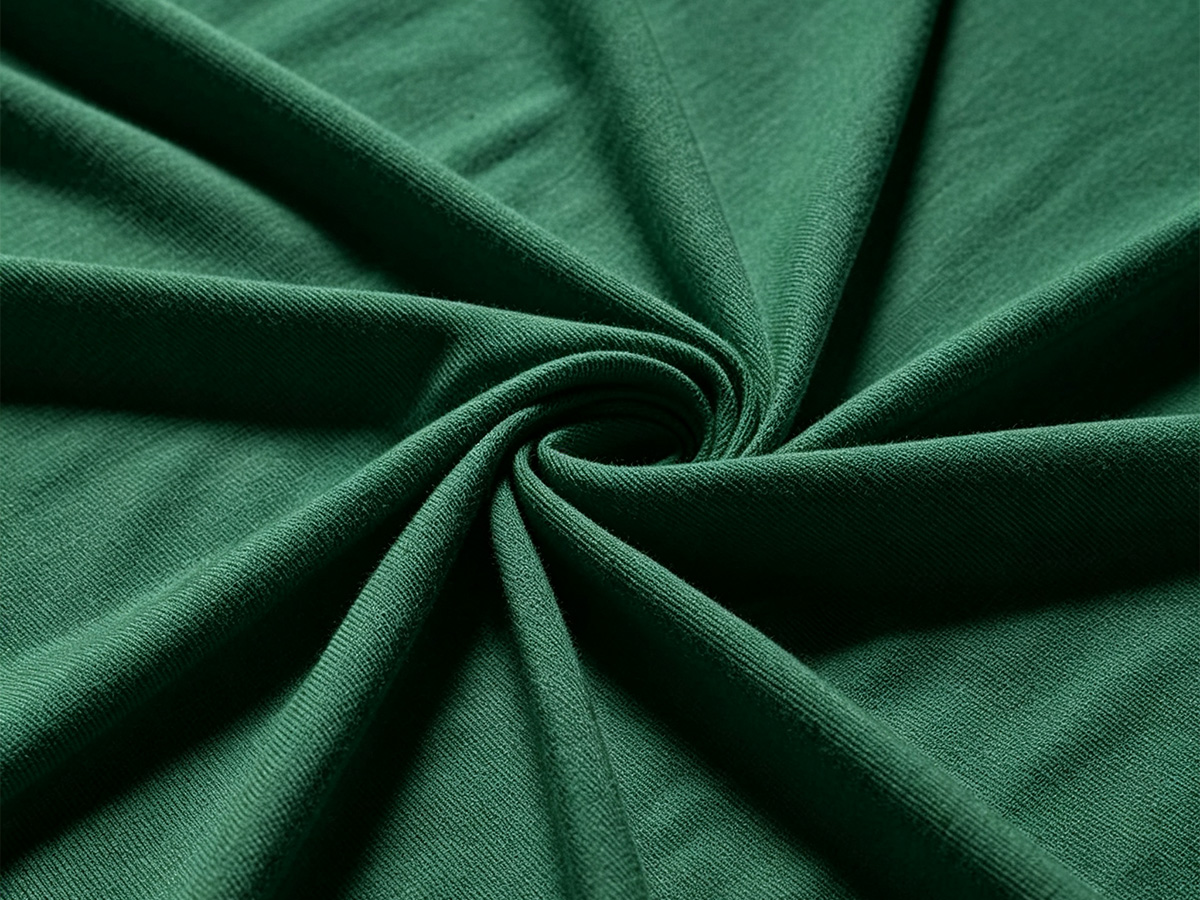
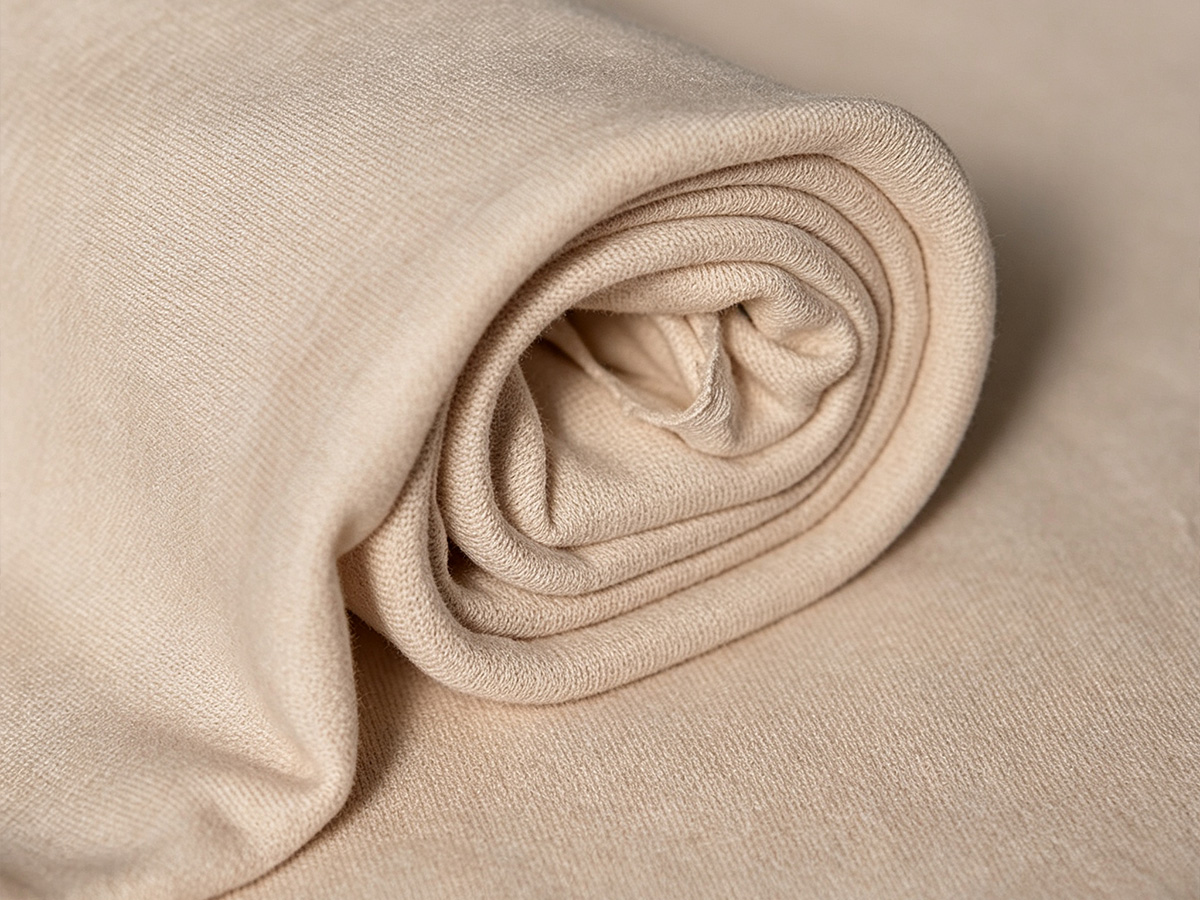
Dyed corn fiber fabric is developed around the confirmed polymer or fiber system, dye route, shade, heat response, and final construction. Lab-dip and sample approval are essential.
| Color | Stock shades or custom matching by confirmed material |
|---|---|
| Content | PLA-rich or other corn-based composition as specified |
| Approval | Lab dip, shade band, and approved sample |
| Control | Colorfastness, width, GSM, heat response, and surface |
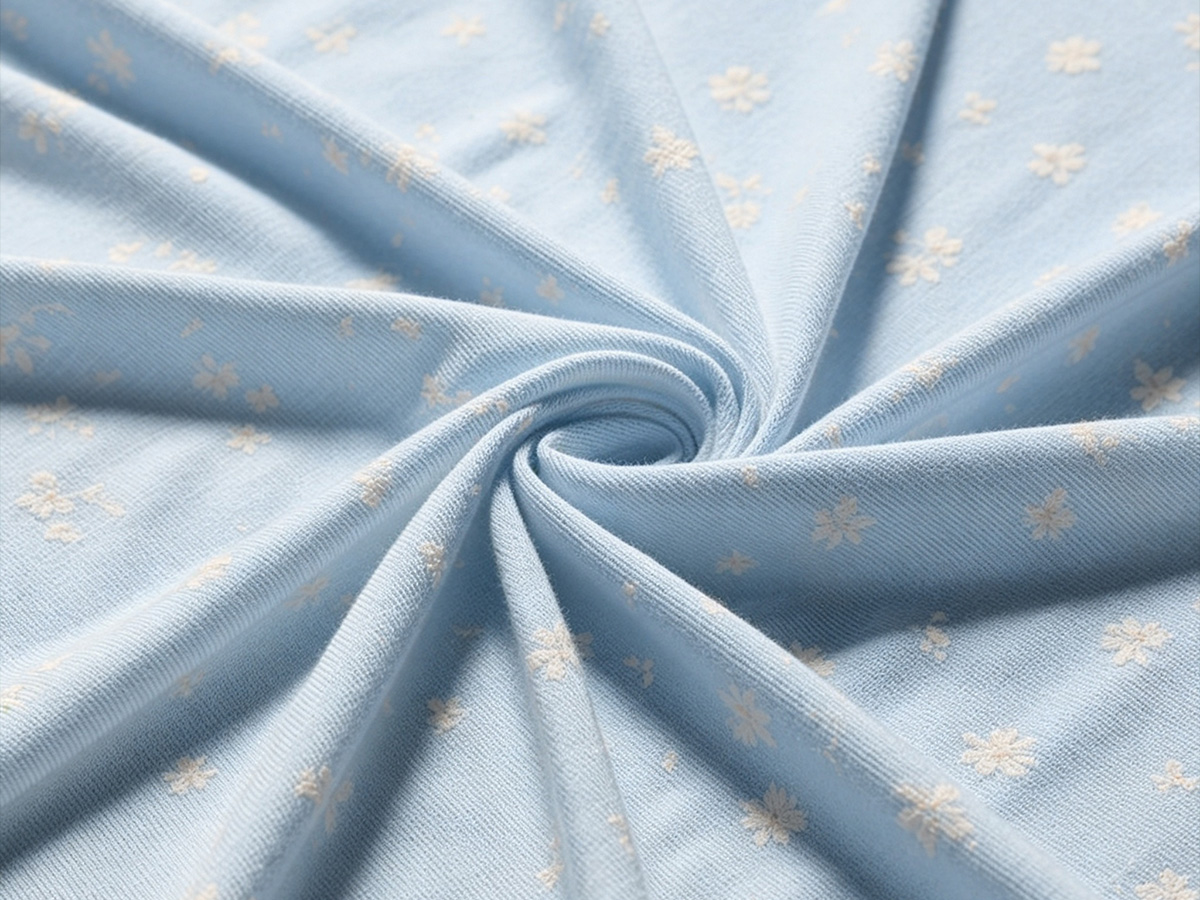
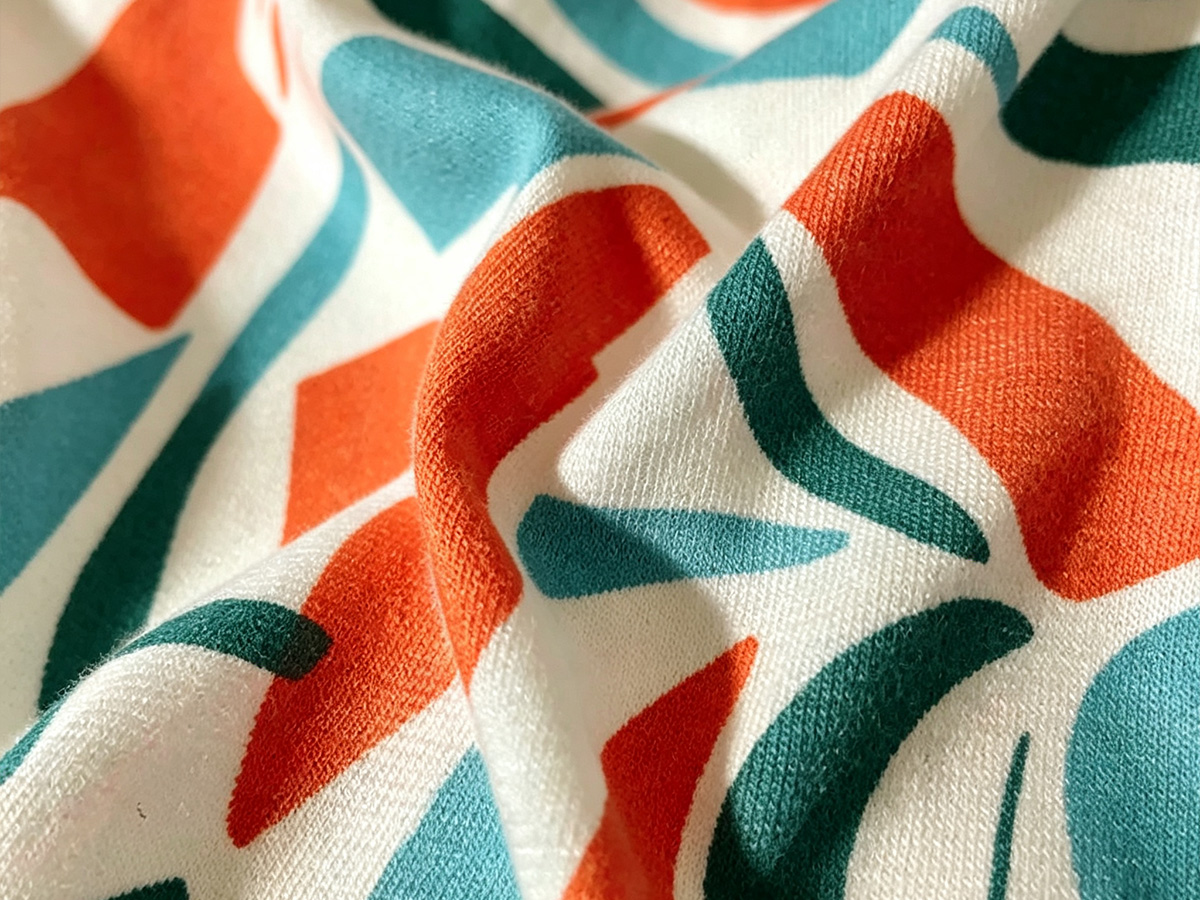
Printed corn fiber fabric supports artwork-led development after the print route and heat sensitivity of the approved material are confirmed. A strike-off should precede bulk production.
| Artwork | Stock patterns or customer-supplied artwork |
|---|---|
| Printing | Method selected for the confirmed polymer and construction |
| Approval | Strike-off, color, hand feel, and care review |
| Application | Apparel, accessories, home textiles, and creative programs |
Key Characteristics of Corn Fiber Fabric
Corn fiber claims must be tied to the actual generic fiber name, blend, bio-based content, and supporting documentation.
A corn-based story is meaningful only when the fiber system and source claim are clearly documented.
Corn-derived PLA and other corn-based directions may be spun or blended according to the product target.
Yarn, weave or knit, GSM, finish, and heat response determine the final textile behavior.
Undyed, dyed, and printed options can be explored after the approved material route is confirmed.
Bio-based, biodegradable, compostable, and recyclable claims require product-specific evidence.
How Corn Fiber Fabric Is Made
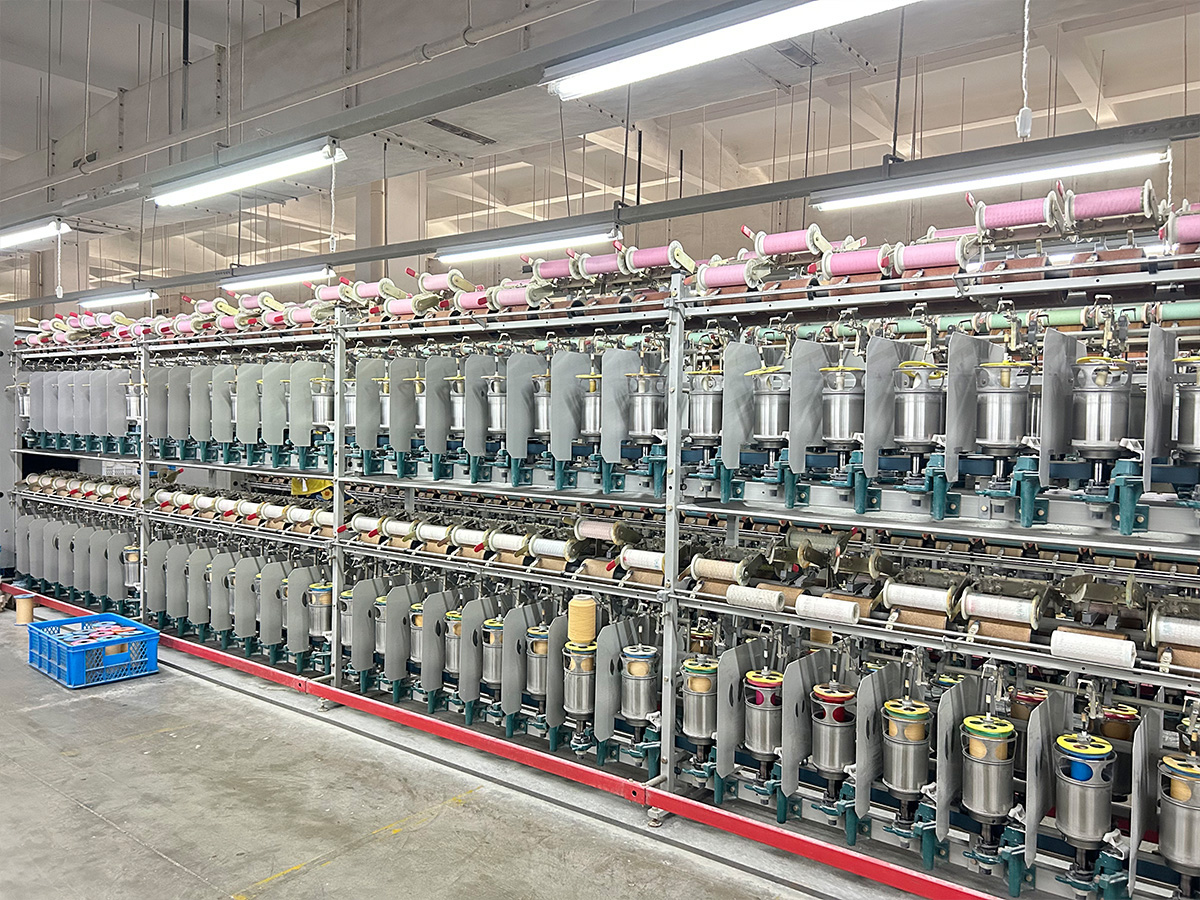
The manufacturing route depends on what the supplier calls "corn fiber." For a corn-derived PLA fiber, corn starch can be used as a feedstock to produce lactic acid and then the PLA polymer; other corn-based fiber systems may follow different routes.
Before production, confirm the generic fiber name, polymer, bio-based content, blend ratio, spinning method, construction, finishing, and testing. This prevents a broad marketing category from being mistaken for a fixed fiber standard.
- Generic nameConfirm whether the product is PLA, a protein-based fiber, or another defined system.
- CompositionState the exact fiber percentages and any support fibers.
- ProcessingConfirm spinning, weaving or knitting, dyeing, printing, and finishing routes.
- ClaimsUse environmental claims only when supported by current documents.
Why Consider Corn-Based Fiber
A corn-based textile can provide a bio-based material direction for brands exploring alternatives to conventional fossil-based fibers. The product decision must still be based on the actual blend, performance testing, cost, care, and end-of-life conditions.
- Material storyUse a documented corn-derived input story instead of an unqualified "eco" claim.
- Product feelHand feel and drape depend on fiber form, yarn, construction, and finish.
- PerformanceConfirm strength, heat response, colorfastness, shrinkage, and care.
- End of lifeDo not claim compostability or biodegradability without product-specific evidence.
Corn Fiber Fabric Characteristics
Corn fiber fabric is not one fixed quality. The verified polymer or fiber type, blend, construction, GSM, and finish control the surface, drape, strength, moisture behavior, heat response, and care requirements.
- Fiber formFilament, staple, PLA, and other defined directions can produce different results.
- BlendCotton, viscose, lyocell, wool, or other fibers may be used when specified.
- Heat responseDyeing, pressing, ironing, and care temperatures must follow the approved quality.
- TestingConfirm performance and regulatory requirements for the target market.
Why Choose Cocoonman for Corn Fiber
Cocoonman can help turn a broad corn-based material idea into a clear fiber specification, sample, color direction, and production plan. The final page and product documents should always use the verified composition.
- Material verificationConfirm generic fiber name, composition, bio-based content, and documentation.
- DevelopmentReview undyed, dyed, printed, blended, and private-label directions.
- Quality controlCheck color, width, GSM, surface, heat response, and approved hand feel.
- Supply planningDiscuss sample timing, MOQ, bulk production, packing, and repeat programs.
Frequently Asked Questions
FABRIC DEVELOPMENT SUPPORT
Request a Verified Corn Fiber Fabric Specification
Send us your target fiber content, construction, width, GSM, color, finish, application, and quantity. Cocoonman will confirm the available quality and the information needed for sampling.