Wholesale Silk Wool Blend Fabric Supplier
Silk wool fabric combines the refined luster, smooth hand, and elegant drape of silk with the warmth, texture, and shape retention of wool. This natural-fiber blend offers a balanced option for premium autumn and winter apparel, tailored garments, accessories, and selected craft or home textile projects.
As a wholesale silk wool fabric supplier, Cocoonman supports undyed, plain dyed, yarn-dyed, and printed silk wool fabric for fashion brands, wholesalers, garment manufacturers, designers, and private label programs. We can discuss raw material selection, blend ratio, weight, width, weave, color, finish, printing, and packing.
Common blend directions include 30% silk / 70% wool, 38% silk / 62% wool, 40% silk / 60% wool, and 50% silk / 50% wool. A common width is 140cm, while silk and wool specifications can be developed according to the required hand feel, warmth, drape, structure, and price direction.
Tell us your target fiber content, silk momme, wool thickness, width, weave, color, application, estimated quantity, or artwork. Cocoonman can recommend a suitable silk wool quality and support sampling, color approval, printing, finishing, and OEM/ODM production.
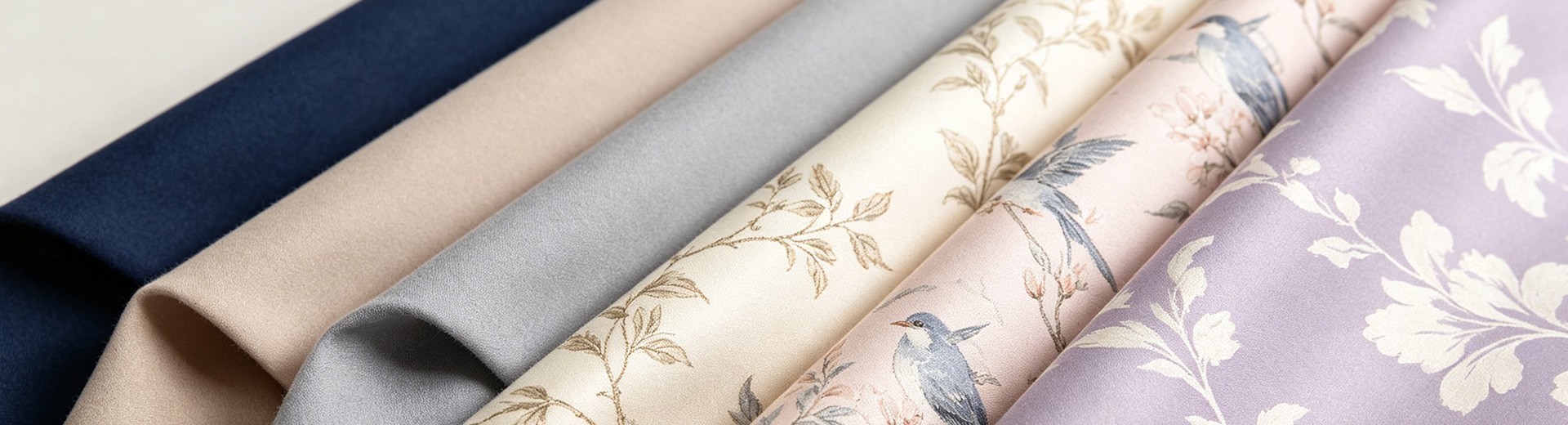
Dyed, Yarn-Dyed, Undyed & Printed Silk Wool Fabric
Choose the right silk wool base for your collection, from a natural undyed ground to solid colors, yarn-dyed effects, and custom printed artwork.
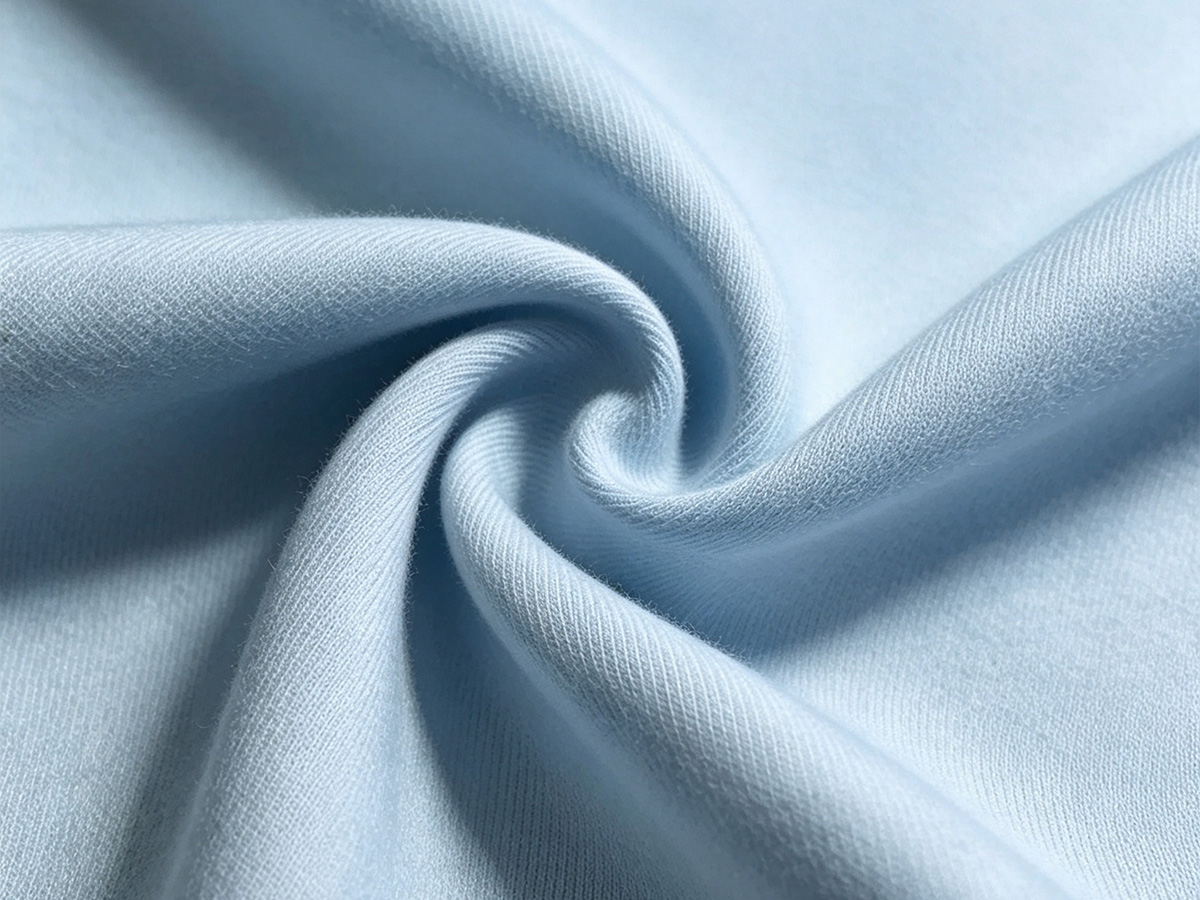
Plain dyed silk wool offers a consistent commercial shade while preserving the blend's natural warmth, texture, and refined appearance. Stock shades and custom Pantone matching can be discussed for the selected quality.
| Blend | 30/70, 38/62, 40/60, 50/50, or custom content |
|---|---|
| Width | 140cm common; other widths by project |
| Color | Stock shades and custom colors available |
| Support | Lab dips, color approval, finishing, and packing |
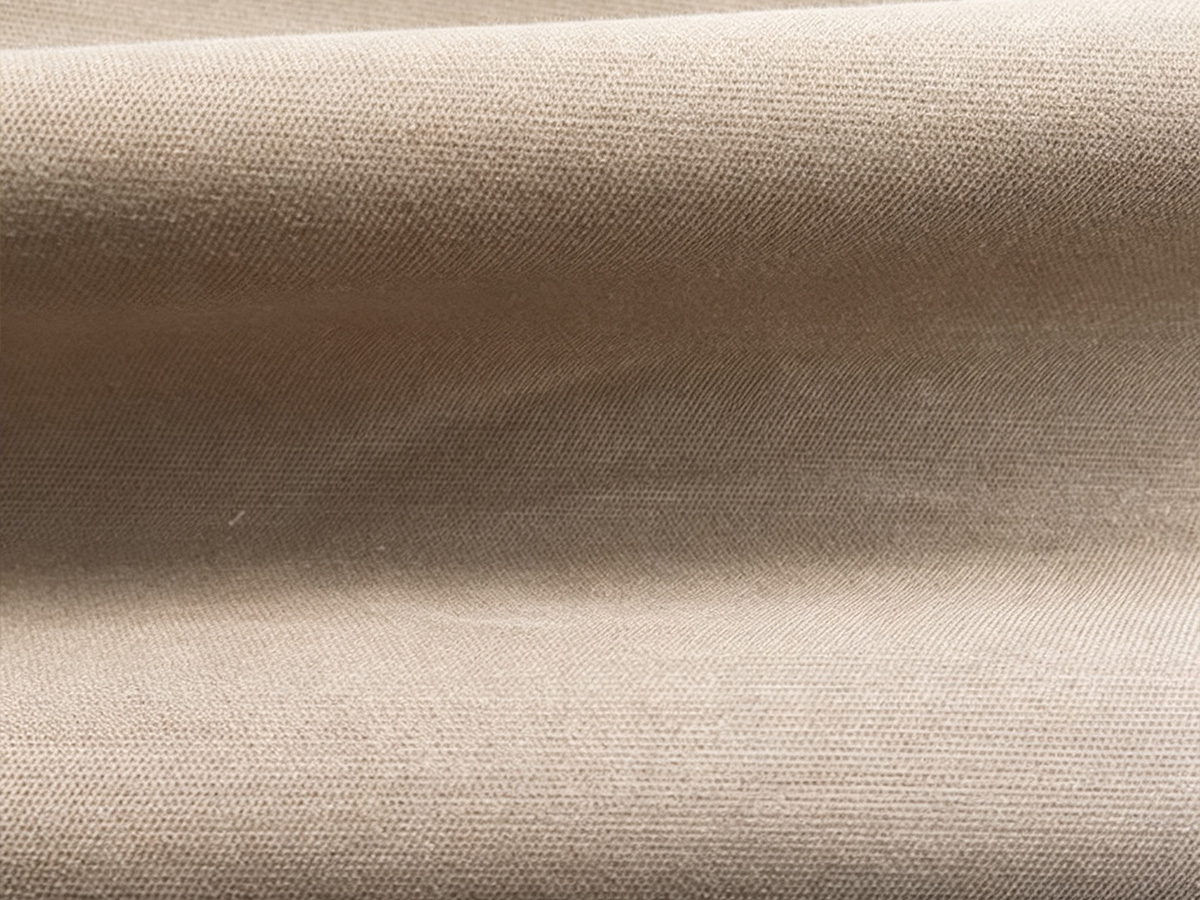
Yarn-dyed silk wool creates richer texture, dimensional color, and special two-tone effects before weaving. It is a strong direction for tailored apparel, structured accessories, and collections that need a distinctive woven character.
| Effect | Solid, mélange, textured, or two-tone directions |
|---|---|
| Development | Custom yarn color and woven structure by project |
| Use | Suits, jackets, coats, scarves, and accessories |
| Approval | Color, yarn, hand feel, and sample approval |
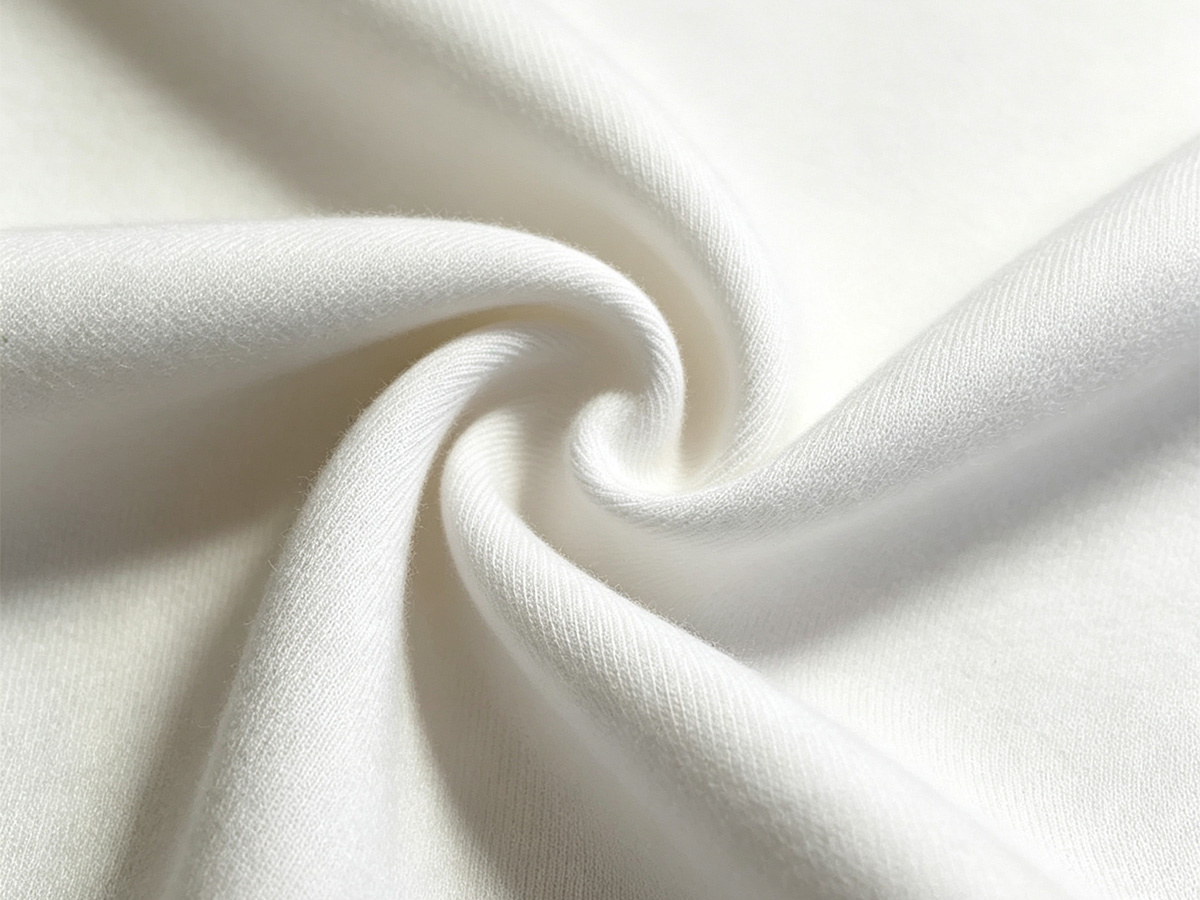
Undyed silk wool keeps a natural base and gives designers a flexible starting point for dyeing, printing, embroidery, hemming, and other creative finishing. It is useful when the final color or surface treatment is still being developed.
| Base | Natural undyed ground with silk and wool content |
|---|---|
| Silk option | 12/17 momme common; custom ranges by project |
| Wool option | 80's/100's common; other thicknesses by request |
| Development | Dyeing, printing, embroidery, and custom finishing |
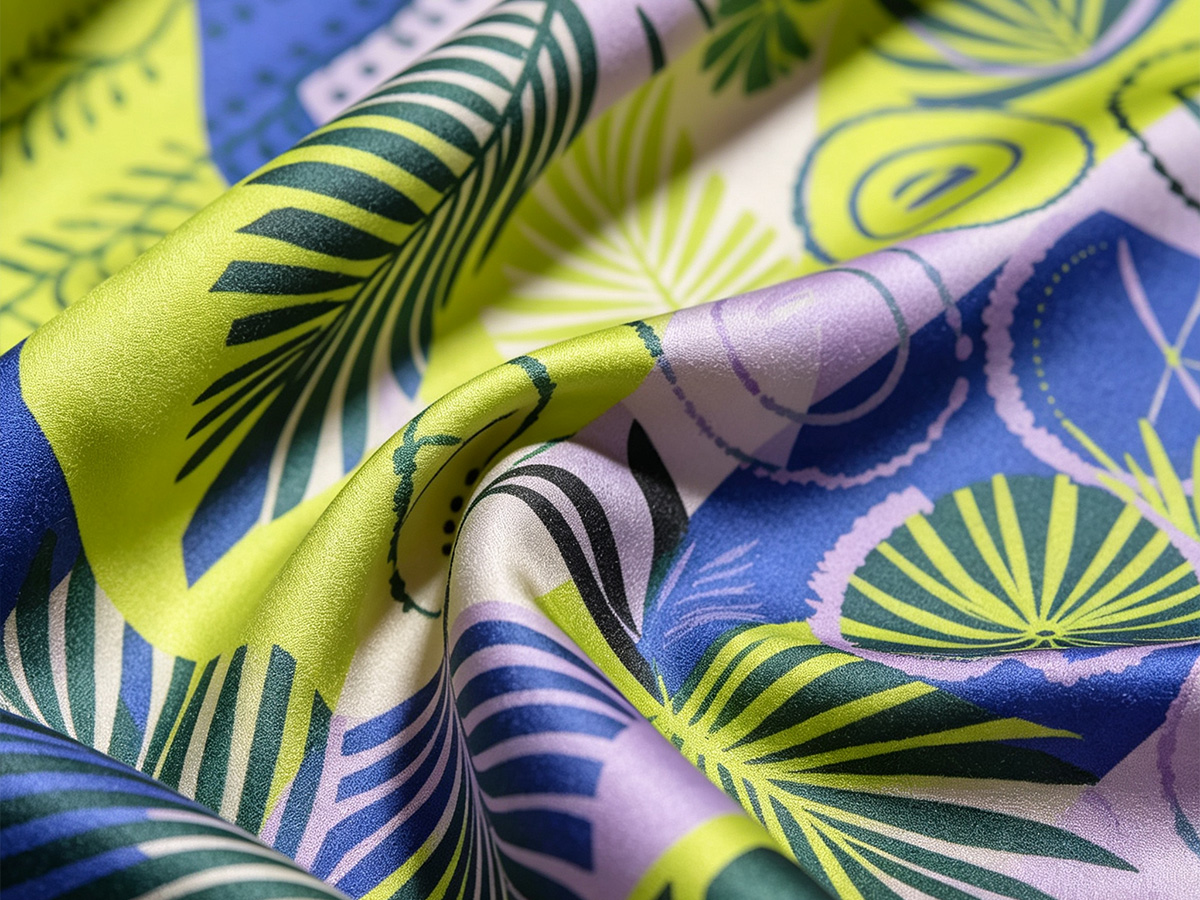
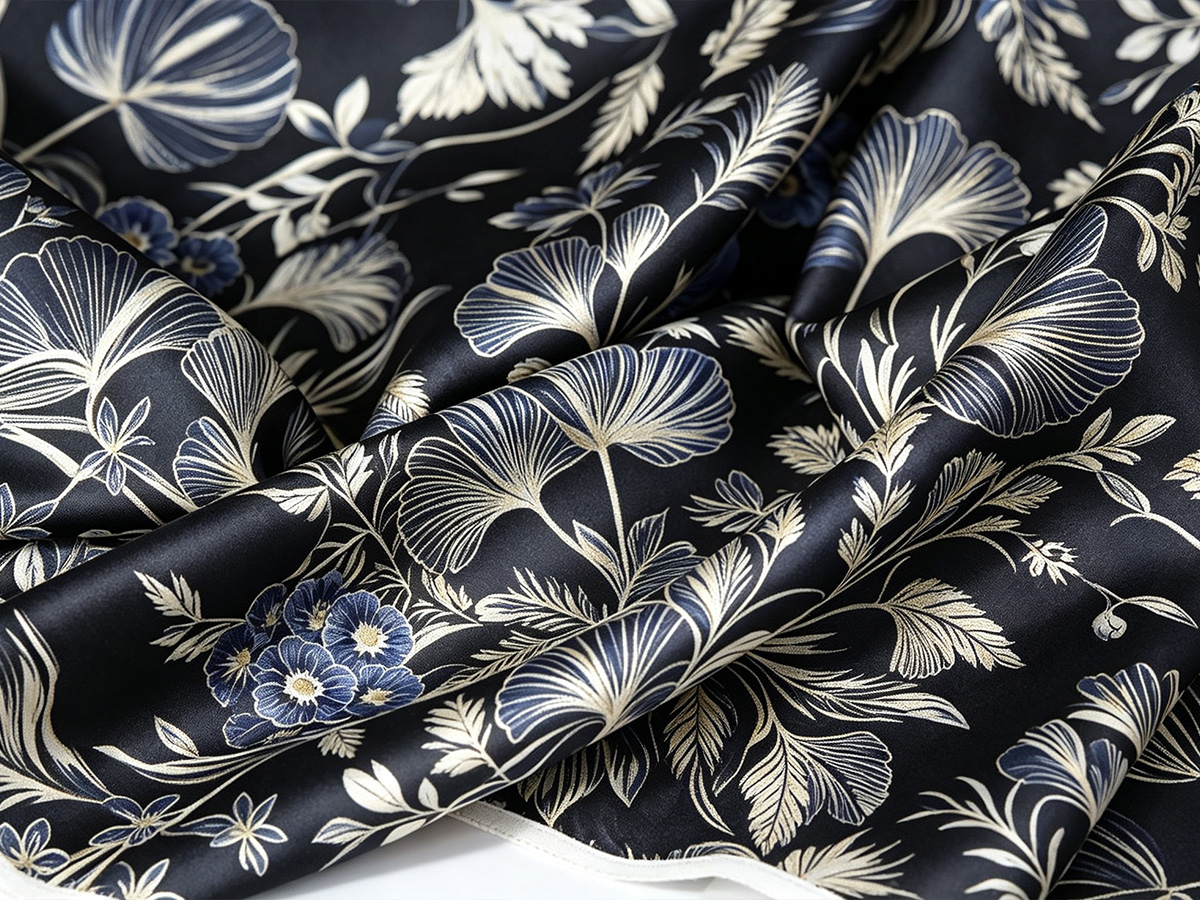
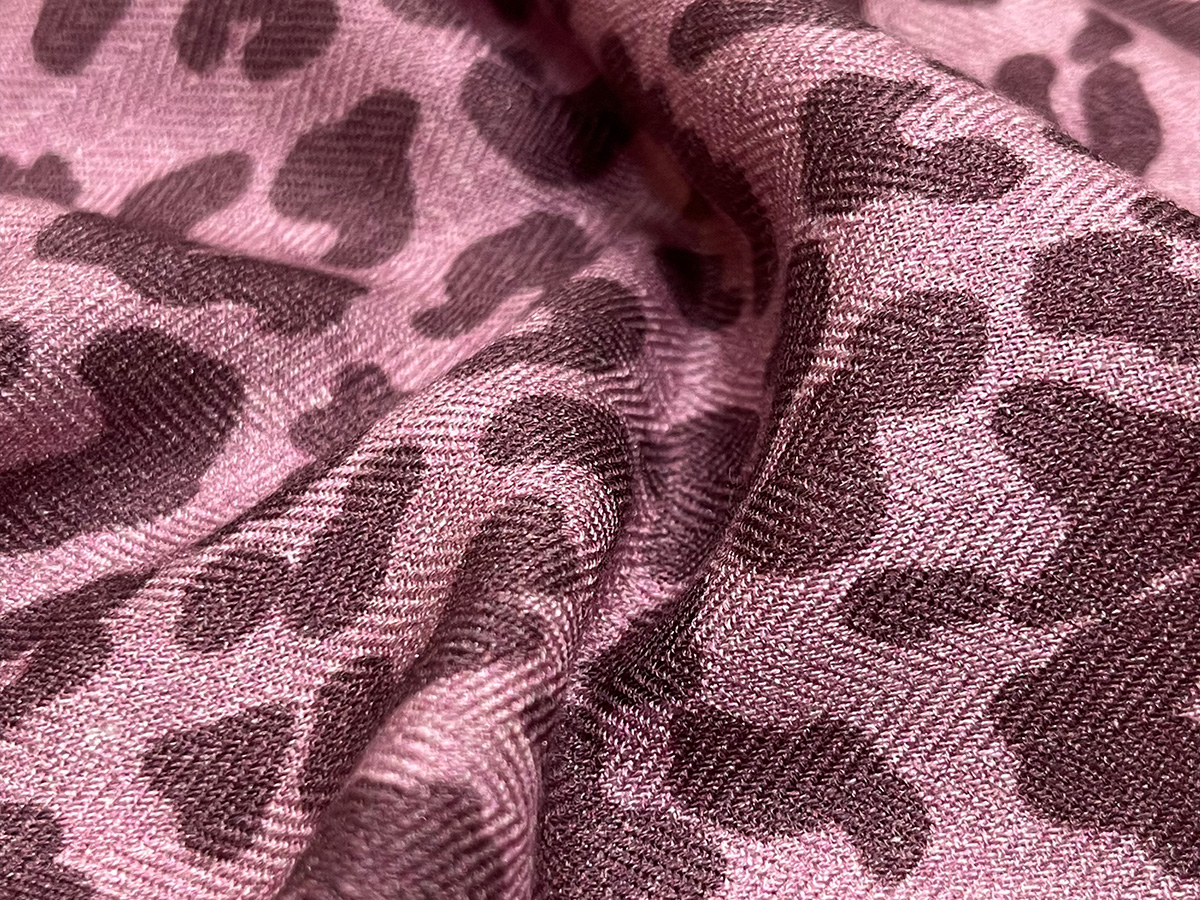
Printed silk wool allows supplied artwork, repeat motifs, and creative inspiration to be transferred onto a warm natural-fiber base. Cocoonman can support artwork review, suitable printing development, strike-offs, and bulk color approval.
| Pattern | Stock designs or customized artwork |
|---|---|
| Printing | Digital, screen, or other suitable methods |
| Color | Custom color and artwork approval before bulk |
| Application | Coats, jackets, suits, scarves, and fashion accessories |
Advantages of Silk Wool Fabric
Silk wool fabric brings together the comfort and elegance of silk with the warmth, structure, and durability of wool.
Wool provides natural insulation, while silk can help keep the blend lighter and smoother than many pure wool qualities.
The silk component contributes a smooth, comfortable touch suitable for premium apparel and accessories.
The blend can offer a cleaner, more structured hand for tailored garments and polished silhouettes.
Wool can contribute useful wrinkle resistance and shape recovery compared with many lightweight pure silk fabrics.
The combination of natural fibers supports good tensile strength, wear resistance, and long-term shape when properly developed and cared for.
Popular Silk Wool Textures
Satin, twill, and georgette constructions change the surface, body, drape, and product positioning of a silk wool blend.
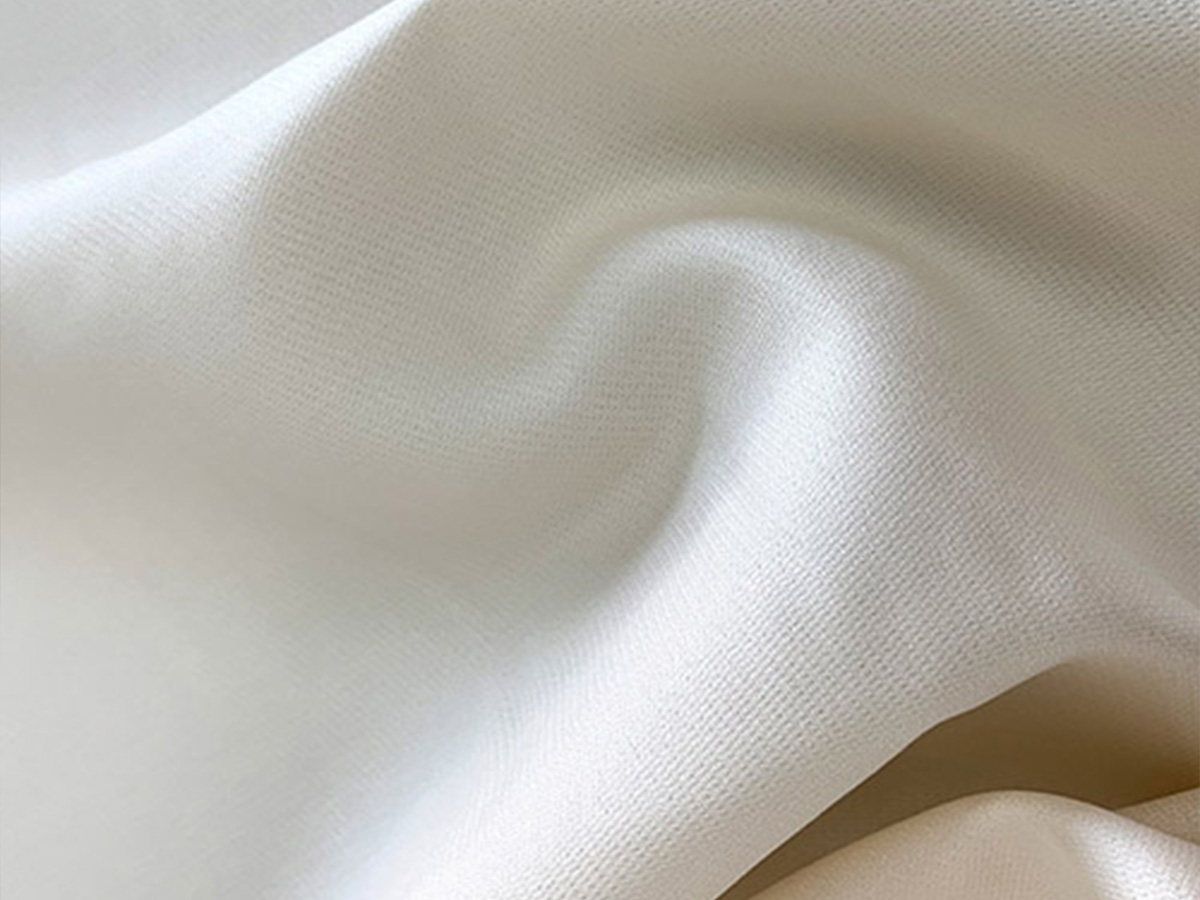
Georgette texture adds subtle grain and movement for flowing fashion pieces, scarves, layered garments, and softer styling.
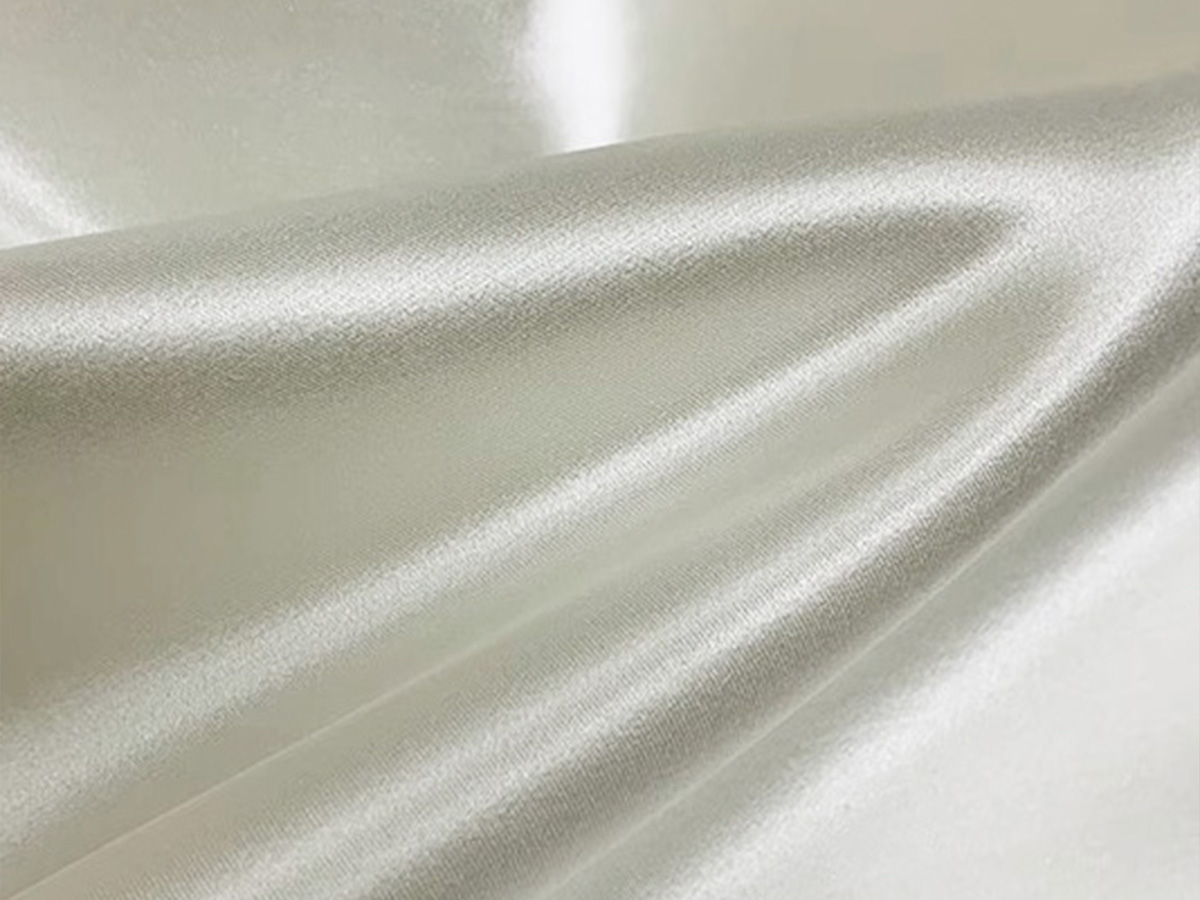
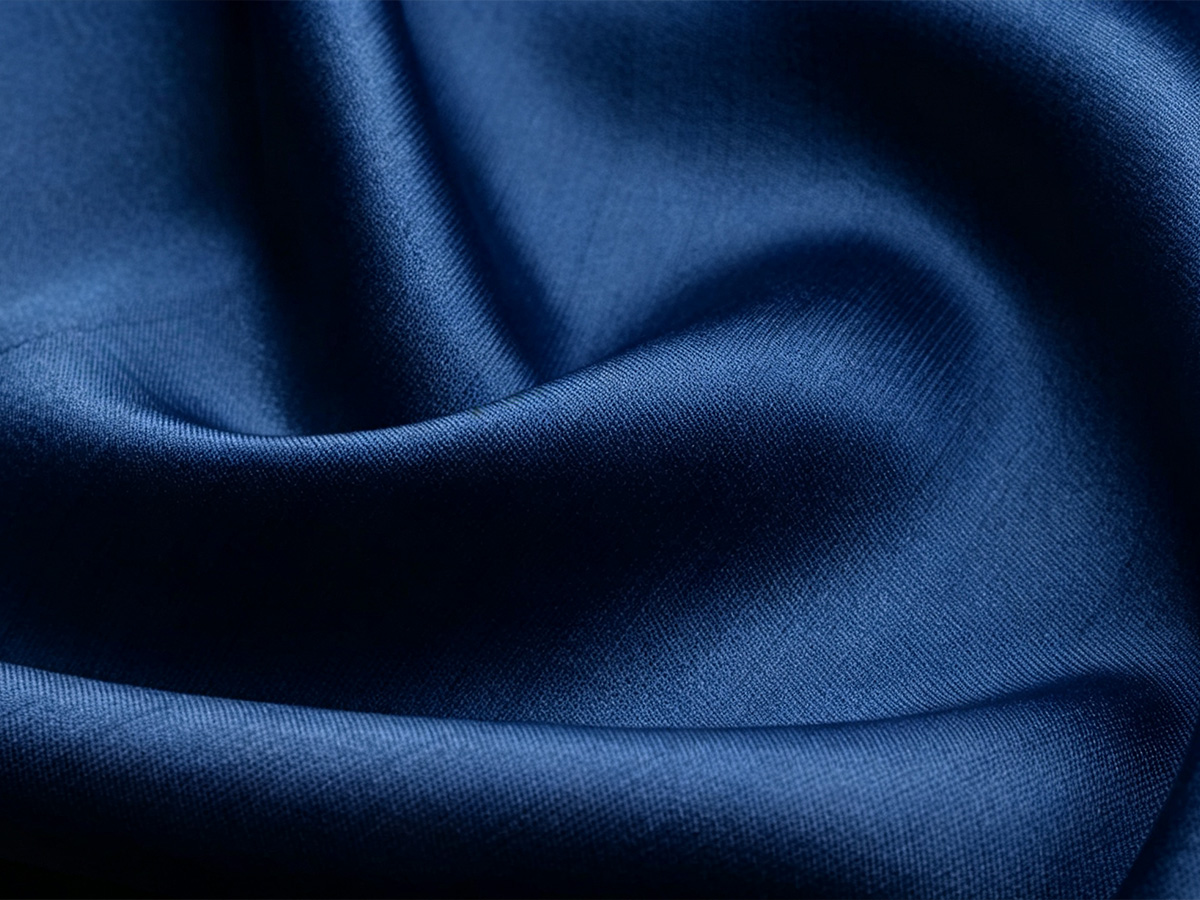
A smoother face and controlled sheen give satin qualities a polished direction for dresses, jackets, scarves, and elevated fashion products.
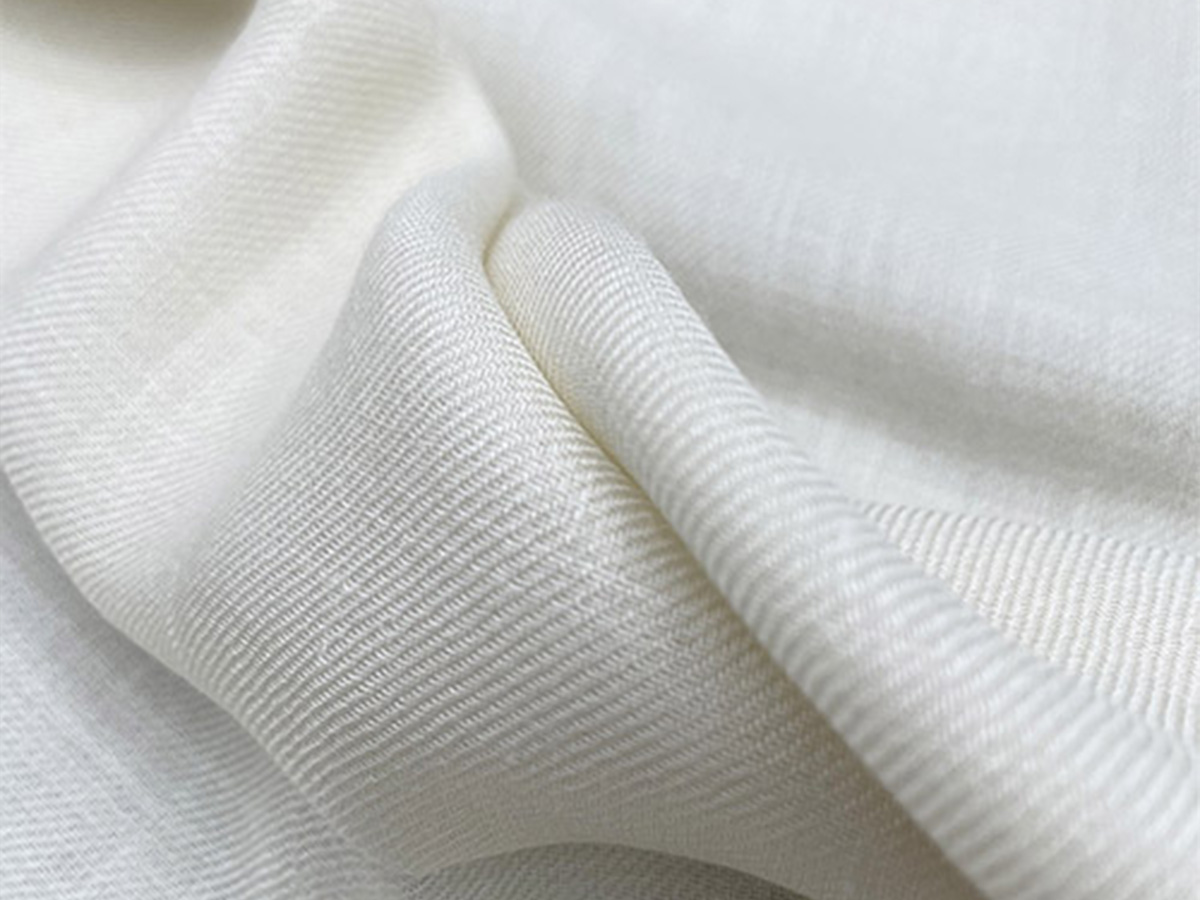
Diagonal twill lines add body, texture, and a crisp appearance for suits, coats, jackets, bags, scarves, and structured accessories.
Cocoonman Wholesale Silk Wool Solutions
Cocoonman organizes wholesale silk wool supply around clear specifications, sample approval, quality control, and dependable bulk coordination. We can help compare fiber content and construction according to the required warmth, drape, structure, appearance, and budget.
- Raw material choicesDiscuss mulberry silk, merino wool, other silk or wool types, and the target blend content.
- Specification supportReview 140cm width, 12/17 momme silk, 80's/100's wool, and other custom options by quality.
- Custom color and textureDevelop plain dyed, yarn-dyed, undyed, printed, satin, twill, georgette, or other suitable directions.
- Order flexibilitySupport wholesale, OEM, ODM, private label, and repeat supply programs.
Unique Characteristics of Silk Wool Fabric
Silk wool fabric combines two natural fibers to create a quality with warmth, breathability, refined luster, crisp shaping, and practical durability. The final result depends on blend ratio, yarn, weave, weight, and finishing.
- Breathable comfortSilk can make the blend feel lighter and more comfortable than many pure wool qualities.
- Natural warmthWool provides insulation for autumn and winter clothing, accessories, and layering pieces.
- Shape retentionThe blend can hold a clean silhouette for twill, tailored, and structured product directions.
- Color and surface stabilitySuitable dyeing, printing, and finishing processes help maintain the approved appearance through use.
How Is Silk Wool Fabric Made?
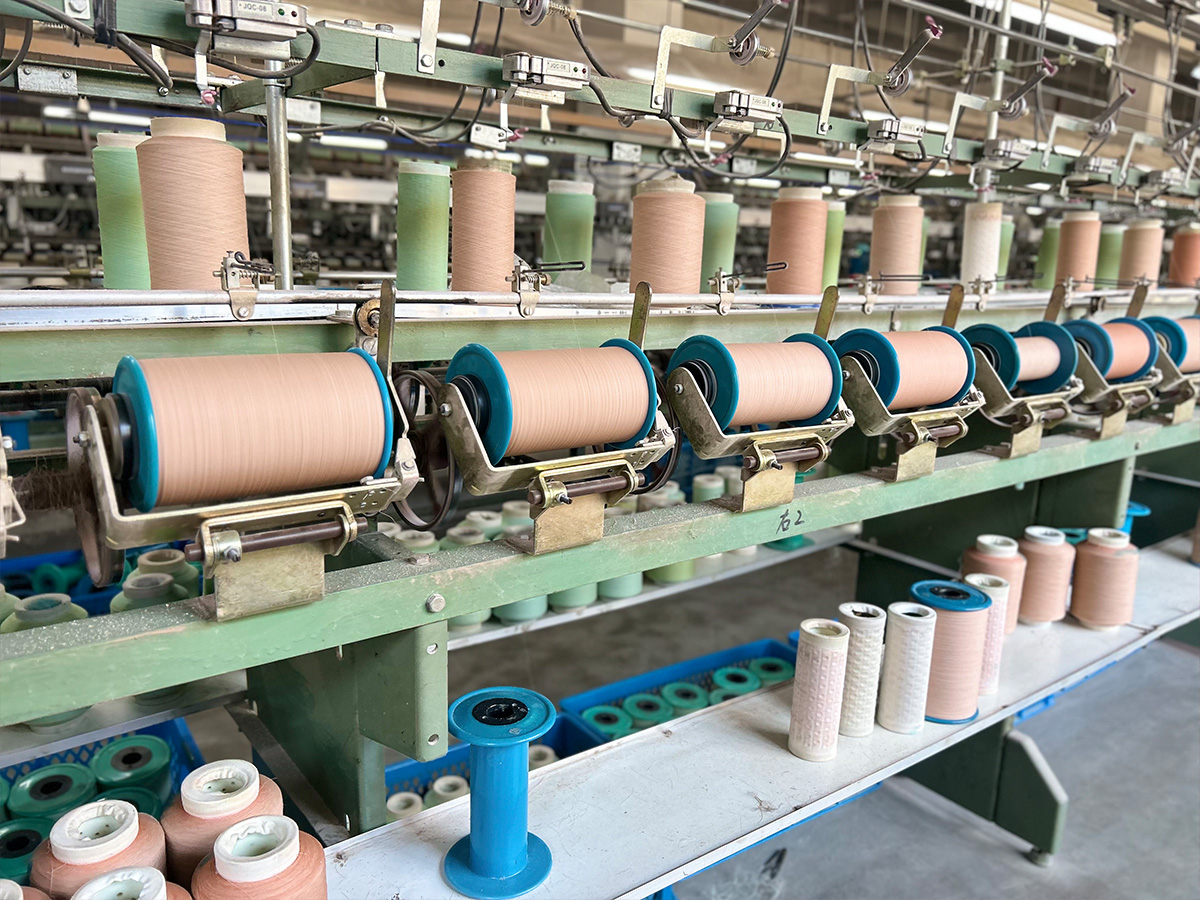
Silk wool fabric begins with the selection of silk and wool fibers or yarns according to the approved blend ratio, fineness, hand feel, warmth, and price direction. The selected materials are prepared and combined into blended yarns before weaving or knitting.
- Material selectionSelect silk and wool types, content, fineness, and quality according to the target product.
- Blending and yarn preparationPrepare blended yarns with the approved proportions and consistency for the selected construction.
- Sizing and weavingProcess the yarns for weaving or knitting into satin, twill, georgette, or another approved structure.
- Dyeing and finishingDevelop dyed, yarn-dyed, printed, or undyed qualities, followed by finishing and inspection.
- Final quality controlCheck appearance, weight, width, color, defects, hand feel, packing, and shipment requirements.
Silk Wool Fabric Applications
Silk wool is a strong choice when a product needs warmth, elegant drape, a polished surface, and enough structure for autumn and winter use.
- ClothingSuits, coats, jackets, shirts, dresses, skirts, trousers, and premium seasonal apparel.
- Tailored and formal wearStructured jackets, tailored suits, elegant outer layers, and polished occasion pieces.
- AccessoriesScarves, shawls, gloves, hats, ties, bags, and other durable fashion accessories.
- Handmade craftsQuilting, patchwork, embroidery, creative panels, and selected DIY projects.
- Home textile productsDecorative textiles, cushion covers, soft furnishings, and other selected applications.