What Does Machine-Washable Silk Mean? Why Does It Matter?
What Does Machine-Washable Silk Mean? Why Does It Matter?
If you have ever stood in a laundry room holding a silk blouse, afraid that one drop of water will ruin it, you are not alone. For decades, the unwritten rule of luxury was simple: silk equals dry-clean only. It was delicate, high-maintenance, and frankly a little intimidating.
At COCOONMAN, a silk supplier specializing in silk products, we have watched that rule fall apart. Machine-washable silk is not a marketing trick. It is a real shift in how one of nature's finest fibers is engineered, cared for, and worn. Here is what it actually means, how it works, and why it matters for brands and consumers alike.
What Is Machine-Washable Silk?
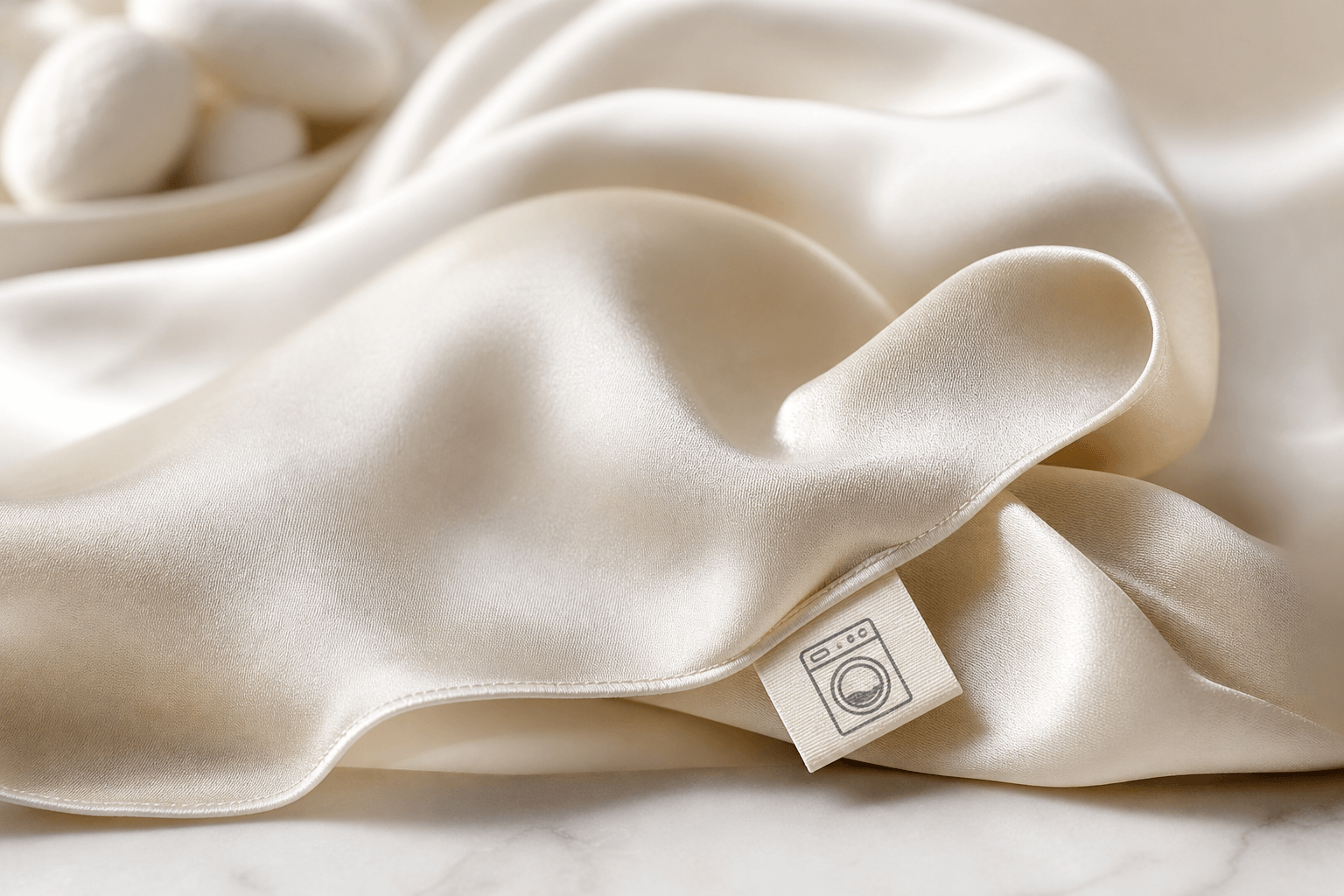
Machine-washable silk is real silk engineered to survive a home washing machine. What changes is not necessarily the fiber itself, but the way it is treated and constructed so it can withstand the friction, heat, and chemicals of a normal wash cycle.
Traditional silk is delicate because its fibers are fine and smooth. Under the friction, heat, and chemicals of a normal wash cycle, those fibers can fray, shrink, or lose their luster. That is why conventional silk is usually dry-cleaned: dry-cleaning solvents are gentle enough to clean without water-based swelling and mechanical agitation.
Machine-washable silk is engineered to handle that agitation. It keeps the breathability, drape, and soft hand-feel of silk while removing the "handle with extreme care" anxiety.
Two common misconceptions are worth clearing up:
- Machine-washable does not mean wash it any way you like. Water temperature, detergent, and cycle still matter.
- Machine-washable does not mean lower quality. It is still real silk. The difference is process, not material.
At COCOONMAN, every washable silk product we supply is built around this principle: real silk, engineered for real life. For pure-silk washable fabrics we work on the fiber and finish; for structured or blended constructions, we are transparent about the fiber composition.
Why Can Silk Be Machine-Washed? The Technology Behind It
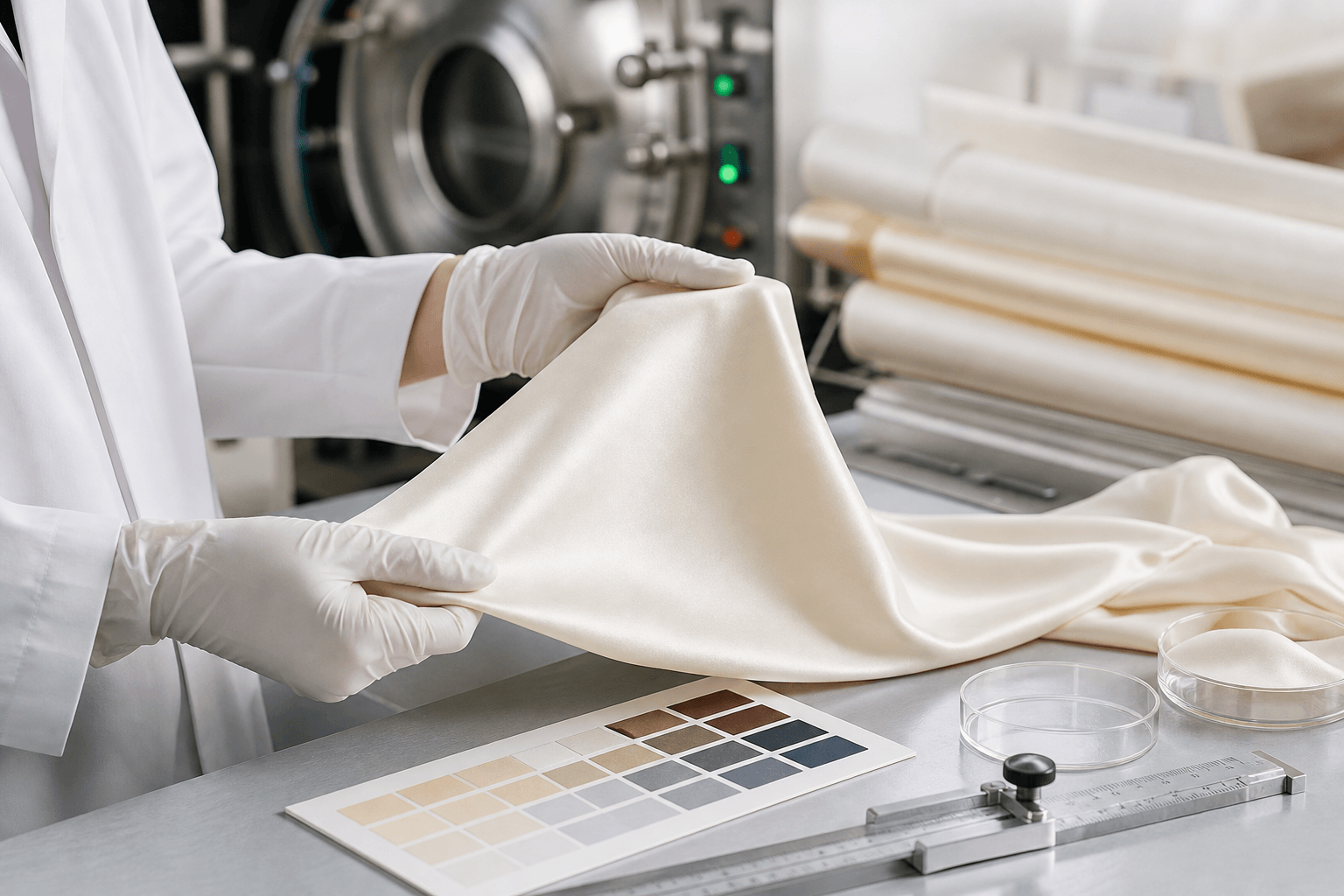
To understand why machine-washable silk works, it helps to know why ordinary silk struggles in a washing machine.
Traditional silk is vulnerable for four main reasons:
- Fine fibers: silk filaments are thin and smooth, so friction causes them to fray and develop a rough "hairiness."
- Shrinkage: water and heat can cause the fabric to shrink and distort.
- Alkaline damage: many detergents are alkaline, which weakens silk's protein structure.
- Color bleeding: unstable dyes can run and stain other fabrics.
Machine-washable silk addresses these problems through three distinct technical paths:
- Silk fibroin molecular-chain modification. This path works inside the fiber to change the physical toughness of the silk protein, pulling and linking loosely arranged polypeptide groups so that the fiber structure distributes stress better and resists the tumbling and water-flow tearing of a washing machine. The goal is to make the silk fiber itself more durable, reducing fibrillation and surface graying during washing.
- Cross-linking and coating with finishing agents (anti-graying finish). An anti-graying finishing agent reacts with the fibroin in the silk fiber through cross-linking, increasing the cohesion between loose fibers so that they do not protrude from the surface during washing — the fabric does not gray, pill, or whiten after washing. At the same time, the agent forms a coating film on the fiber surface to improve abrasion resistance; an emulsifying penetrant helps the agent penetrate evenly. Treated fabric has been reported to show almost no graying or white marks after repeated machine wash-and-dry cycles.
- Fabric structure design and fiber blending/interweaving. This path does not pursue machine-wash tolerance in pure silk; instead it shares mechanical stress with other fibers or a changed structure. One typical approach is a double-layer structure: an inner layer of mulberry silk for skin comfort and moisture absorption, and an outer layer of quick-dry synthetic fiber such as Coolmax for body and dimensional stability. Another approach blends high-twist triacetate yarn, whose recovery performance is better than silk, to improve wrinkle recovery after washing. Other solutions increase weave density, singe the yarn to remove hairiness, and then apply a silk-protein finishing agent to achieve dimensional stability and anti-pilling in spun-silk knits.
The key point: machine-washable silk is process-enabled, not material-compromised — with one caveat. Paths one and two work on the silk fiber itself without changing its composition; path three may introduce a small proportion of other fibers through blending or structured construction. And in most current products, the wash-resistant effect is not permanent — surface treatments gradually weaken with repeated washing. When evaluating a washable silk product, look beyond the technology label and check whether the supplier states a specific wash-cycle claim backed by a test standard.
Why Machine-Washable Silk Matters
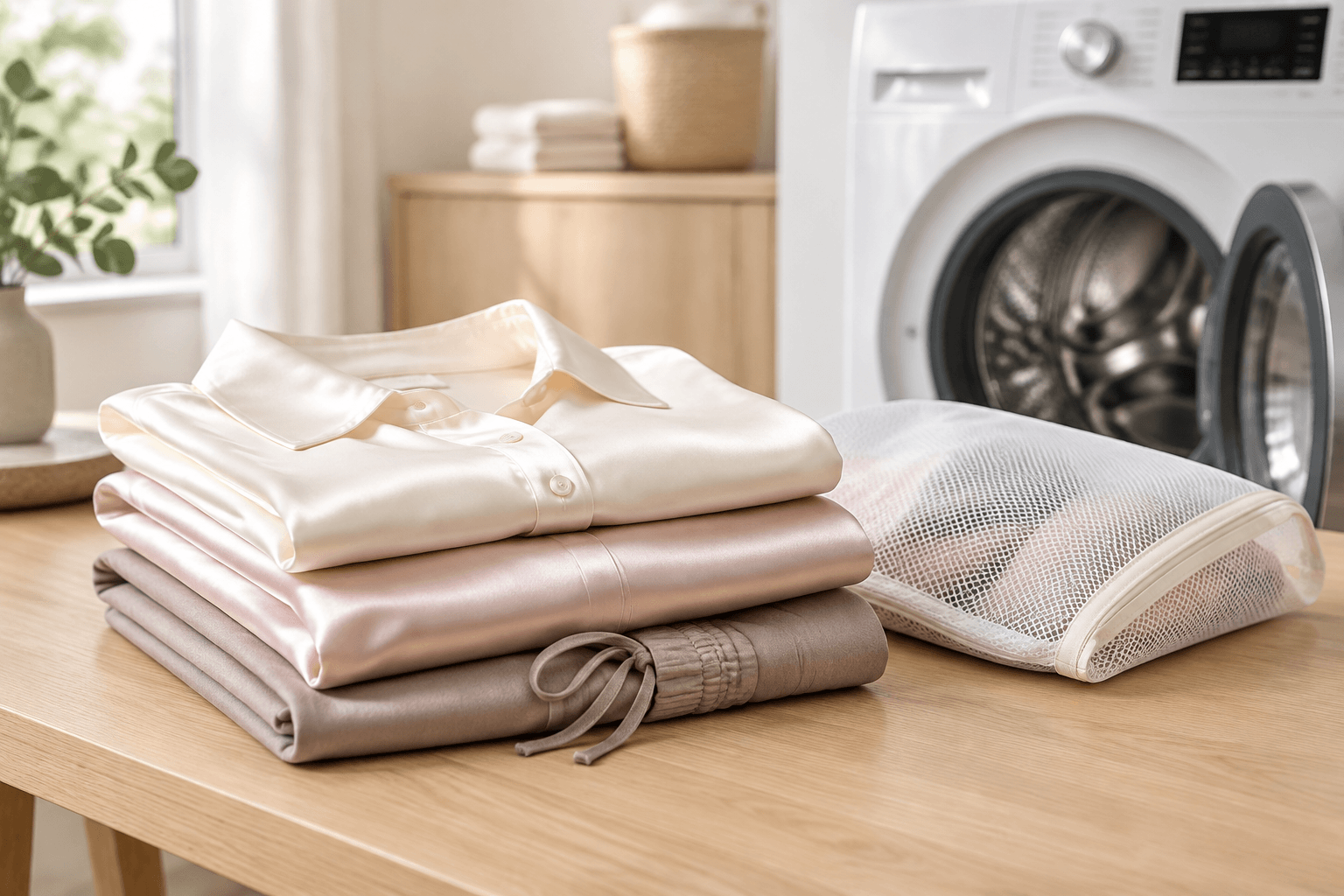
For brands and buyers
- Lower barrier to purchase. When customers know they can wash silk at home, they are more likely to buy it, wear it, and buy it again.
- Fewer after-sales problems. Properly engineered washable silk reduces shrinkage, deformation, and color-bleeding complaints.
- Wider product lines. Washable silk opens up categories such as loungewear, sleepwear, commuter wear, and children's wear, where easy care is essential.
- Sustainability alignment. Less reliance on chemical-intensive dry cleaning means a lower environmental footprint, which matters to modern consumers.
For consumers
- Convenience. No more special trips to the dry cleaner.
- Lower cost of ownership. Home washing is cheaper than repeated dry cleaning.
- Everyday wearability. Silk becomes something you actually wear — a silk shirt for the commute, a silk pillowcase for better sleep — not something that stays in the closet.
As a silk supplier, COCOONMAN helps brand clients turn machine-washable silk into a selling point: from fabric selection and sampling to production and care labeling, we support the whole process.
How to Care for Machine-Washable Silk
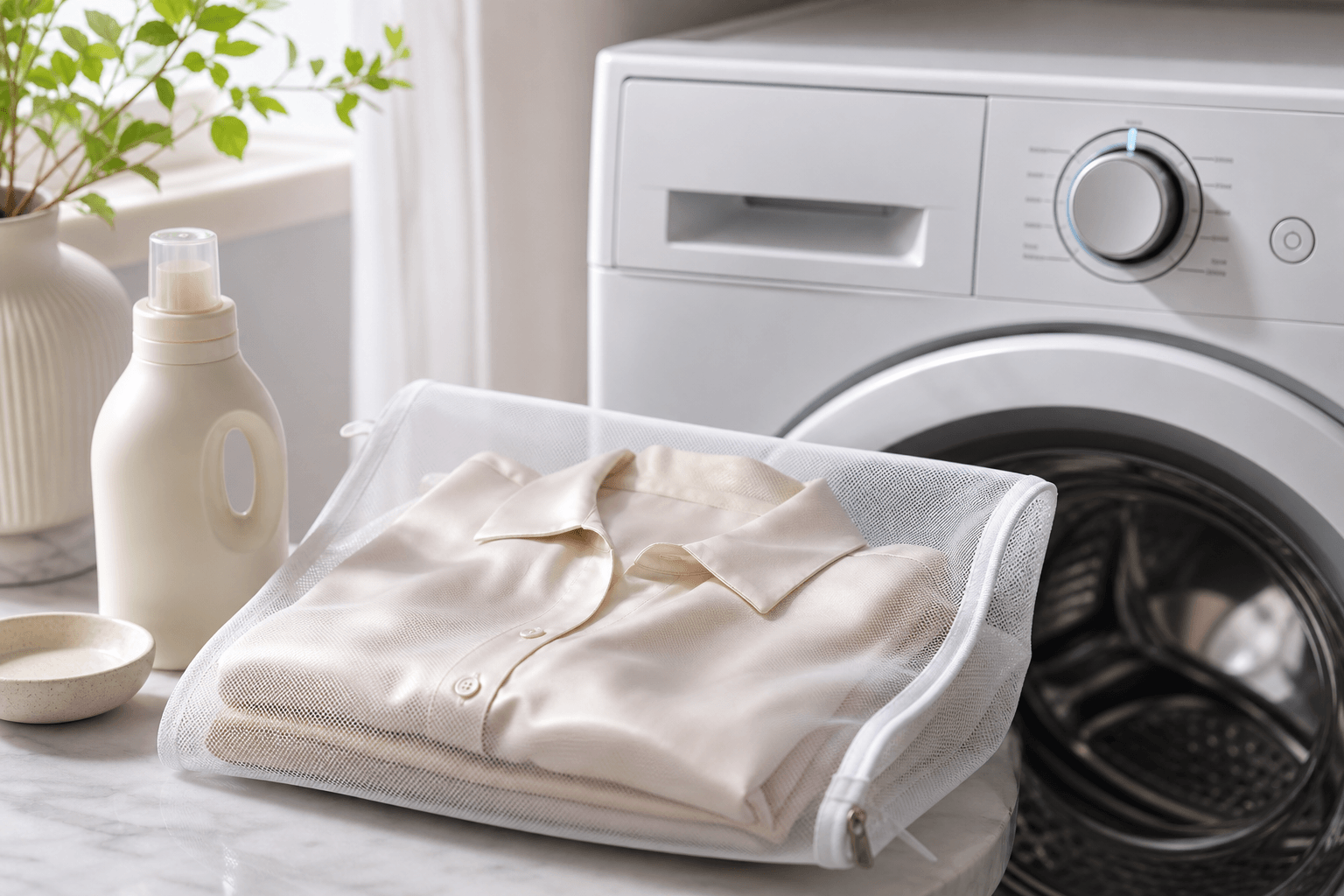
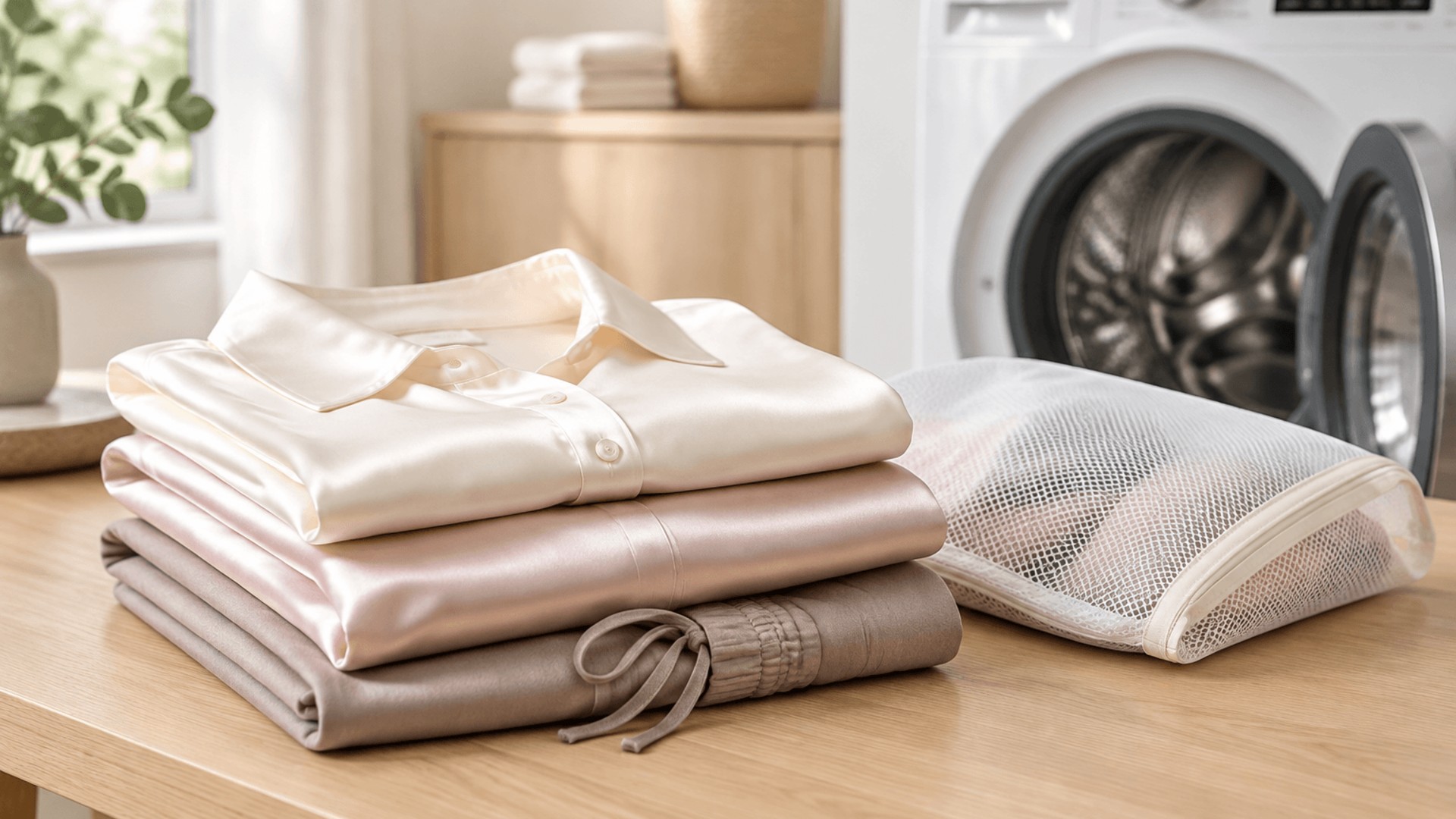
Machine-washable does not mean "toss it in with your jeans." Follow these guidelines to keep the fabric at its best:
- Use a mesh laundry bag to protect the fabric from snags.
- Wash in cold water (≤30°C) on a gentle or delicate cycle.
- Use a pH-neutral detergent designed for delicate fabrics.
- Turn the garment inside out before washing.
- Do not bleach.
- Do not tumble dry. Heat and tumbling can damage the fiber's luster and shape.
- Lay flat or hang to dry, away from direct sunlight.
- Avoid washing with hard items such as zippers or metal fasteners.
Always check the product care label first. The label is the final authority for each specific garment.
About COCOONMAN
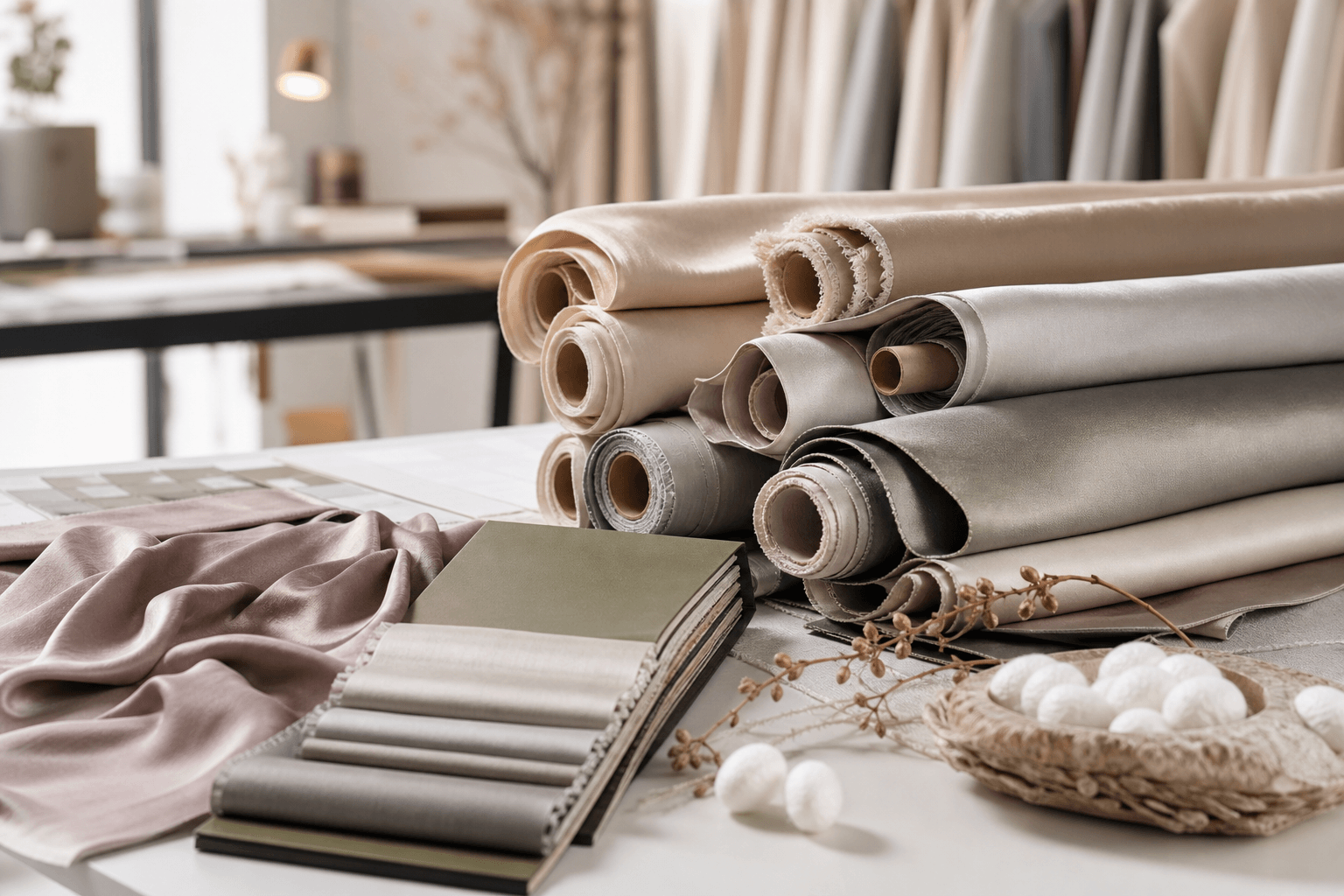
COCOONMAN is a silk product supplier focused on machine-washable silk fabrics and finished goods. We work directly with brand clients, buyers, and designers, offering:
- A reliable supply of washable silk fabric with consistent quality
- Sampling and customization support
- Technical guidance on care labeling and fabric performance
- Production capacity that scales with your needs
We believe luxury should not be fragile. Machine-washable silk is smarter silk: it keeps the feel of real silk and fits into real life.
FAQ
1. Is machine-washable silk still real silk?
Usually yes — many washable silks are 100% mulberry silk. Some easy-care lines, however, use spun silk, silk-wool blends, or structured fabrics that share mechanical stress with other fibers. Check the fiber composition on the label.
2. Does machine-washable silk lose its softness?
Within the wash cycles stated on the care label and when the care instructions are followed, properly engineered washable silk retains its softness and sheen. Beyond the recommended number of washes, performance may gradually decline, so the care label and the supplier's wash-cycle claim are the practical reference points.
3. Is machine-washable silk more expensive?
It may carry a slightly higher price due to the additional treatments, but the convenience and longer wearable life often justify the investment.
4. Can all silk be made machine-washable?
No. Specific treatments and technologies are required. That is why COCOONMAN engineers every washable silk product with the right treatment and construction.
5. How should I wash machine-washable silk?
Use cold water (≤30°C), a gentle cycle, a pH-neutral detergent, and a mesh laundry bag. Do not bleach or tumble dry. Always follow the care label.
Conclusion
Machine-washable silk means real silk, engineered to be washed at home. It is process-enabled, not material-compromised — though some structured or blended constructions do include a small proportion of other fibers, and the wash-resistant effect is not permanent in most current products. For brands, it lowers the barrier to purchase and widens product possibilities. For consumers, it makes silk convenient, affordable to own, and easy to wear every day.
In short: machine-washable silk = the feel of silk + the convenience of everyday care.
Interested in adding machine-washable silk to your product line? Contact COCOONMAN to request product information, fabric samples, or a consultation with our team.