Only Brands That Understand Silk Can Sell It at a Premium

For many brands working with silk, the real challenge is not sampling or launching new collections—it is those few minutes in the store. Customers touch the fabric, think only that it feels “smooth,” then immediately compare its price with regular satin or faux silk. The product is clearly better, yet its value is never fully explained, and the brand ends up relying on discounts.
To build a stable silk business, it is not enough to call it a “premium fabric.” What matters is translating the material, craftsmanship, feel, and care requirements into language customers can easily understand. For OEM clients, manufacturing is only the starting point. When the sales side is supported as well, brands are far more likely to protect their margins.
The Price of Silk Should Not Be Explained by Feel Alone
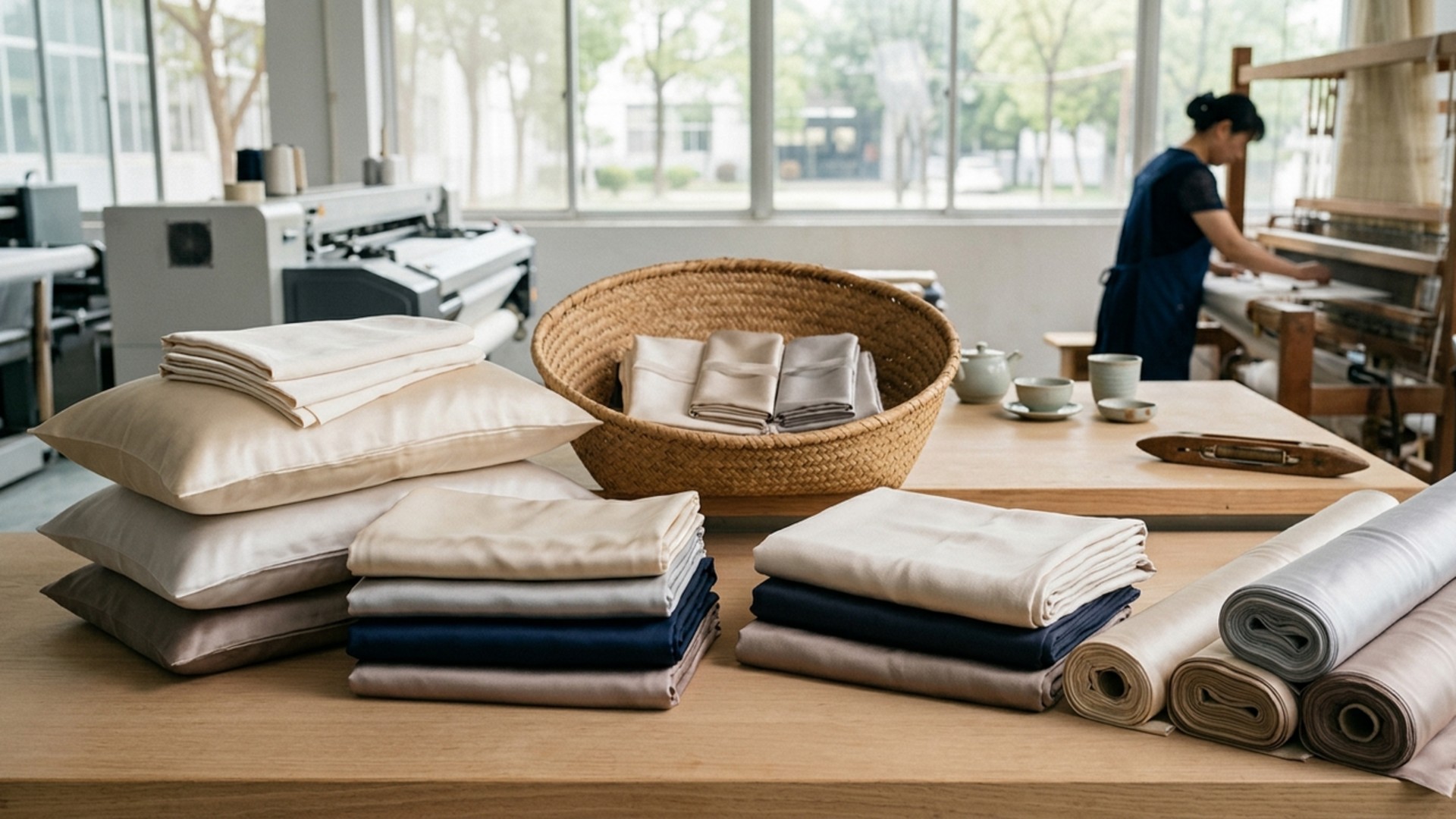
Silk is not just another fabric. Behind it are the accumulated costs and time of sericulture, reeling, weaving, dyeing, and finishing. Customers see a finished product; what brands need to explain is why it feels so soft, why it is gentle on skin, and why it has that understated luster—instead of stopping at vague words like “natural” or “comfortable.”
What Customers Truly Pay For Is More Than the Fabric Name
In-store language should turn abstract value into everyday benefits. For example, it feels less stuffy against the skin in summer, creates less friction in sleep settings, and offers a finer touch over time. These points build trust far more easily than rigid technical specs. Once customers understand silk’s rarity and its difference in experience, the price stops being just a number.
- Translate “expensive” into benefits customers can actually feel
- Explain craftsmanship differences through visible details
- Present care instructions as reassuring answers that reduce hesitation
- Ground brand values in consistent quality and after-sales support
Brands that know how to sell silk do not train staff to recite scripts. They build teams that can respond to customers’ emotions, address concerns, and answer questions naturally.
Sales Scripts and Training Materials Set the Ceiling for Conversion
Many OEM partnerships stop at delivery, leaving brands to figure out the market side on their own. Truly valuable supplier support means organizing product knowledge into content that frontline teams can use immediately: selling-point cards, comparison scripts, answers to common objections, merchandising suggestions, and even the sequence for training demonstrations.
One Good Training System Can Save Stores from Countless Detours
A partnership approach like COCOONMAN’s works more like a product knowledge support team for the brand. It is not simply about telling clients, “This is silk.” It is about helping teams understand how to introduce it, how to compare it, and how to explain a higher price point naturally. Products told through a compelling story are far more likely to be remembered.
When customers buy premium bedding, they usually buy peace of mind first, material second, and only then accept the price.
When store staff know exactly when to highlight luster, drape, skin-friendliness, and care requirements, the sales flow becomes much smoother. It also creates a stronger foundation for repeat purchases and referrals.
Brand Enablement Is More Than Adding a Few Slides to a PPT
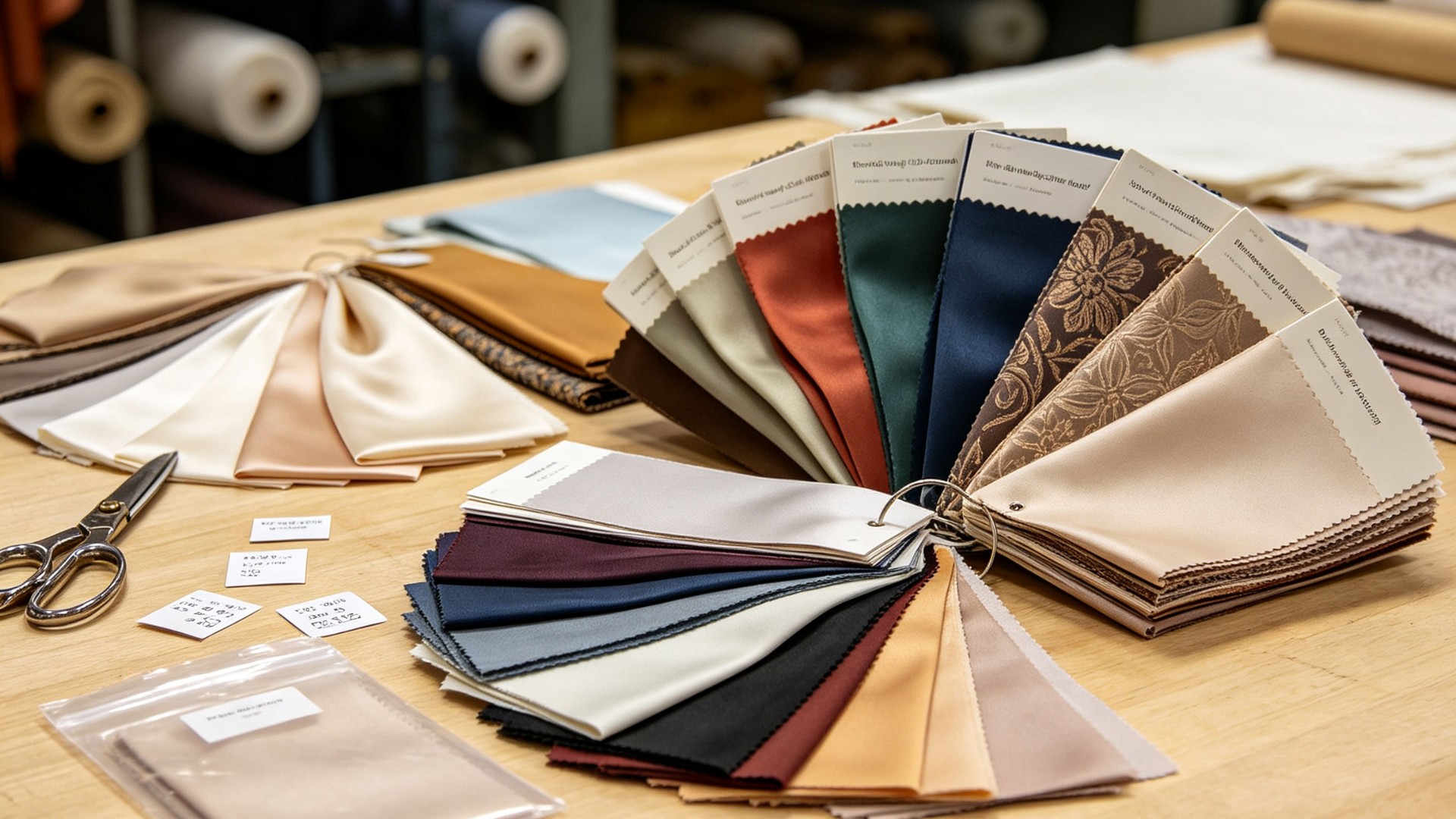
What brands need is not more documents, but content that can be directly turned into sales. How samples should support the explanation, how online product pages should keep messaging consistent, and which words in livestreams best distinguish real silk from faux silk—all of this requires supplier participation. Only by going deeper into product education can a brand truly understand silk and sell it at a premium.
For clients who want to build a long-term silk business, factory delivery capability is of course important. But what is even rarer is a partner who understands the product, the retail end, and the rhythm of the brand. Only when the value is clearly understood can the price hold.