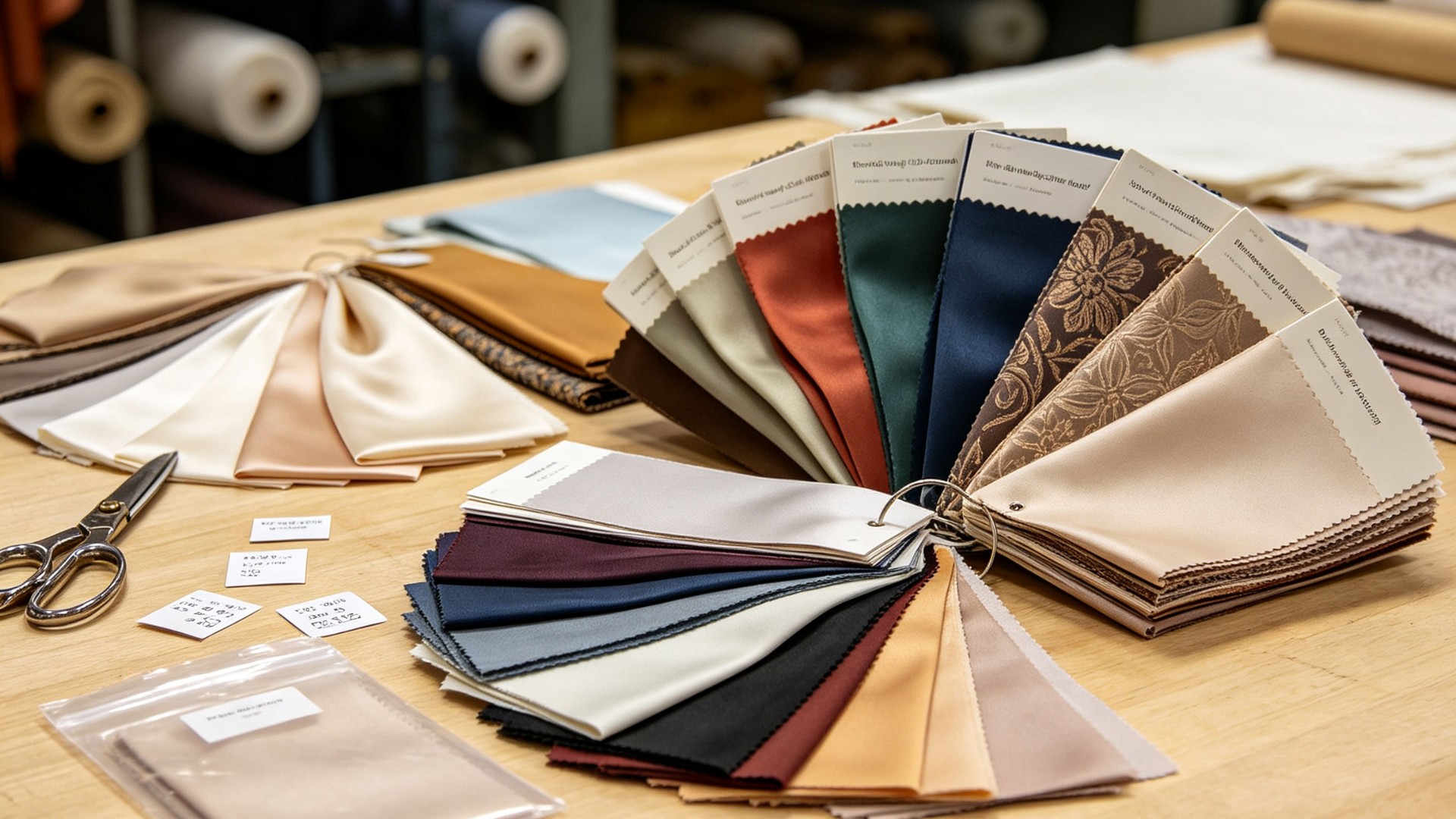
Why Most Silk Products Come from China: Full-Chain Advantages from Origin to Manufacturing
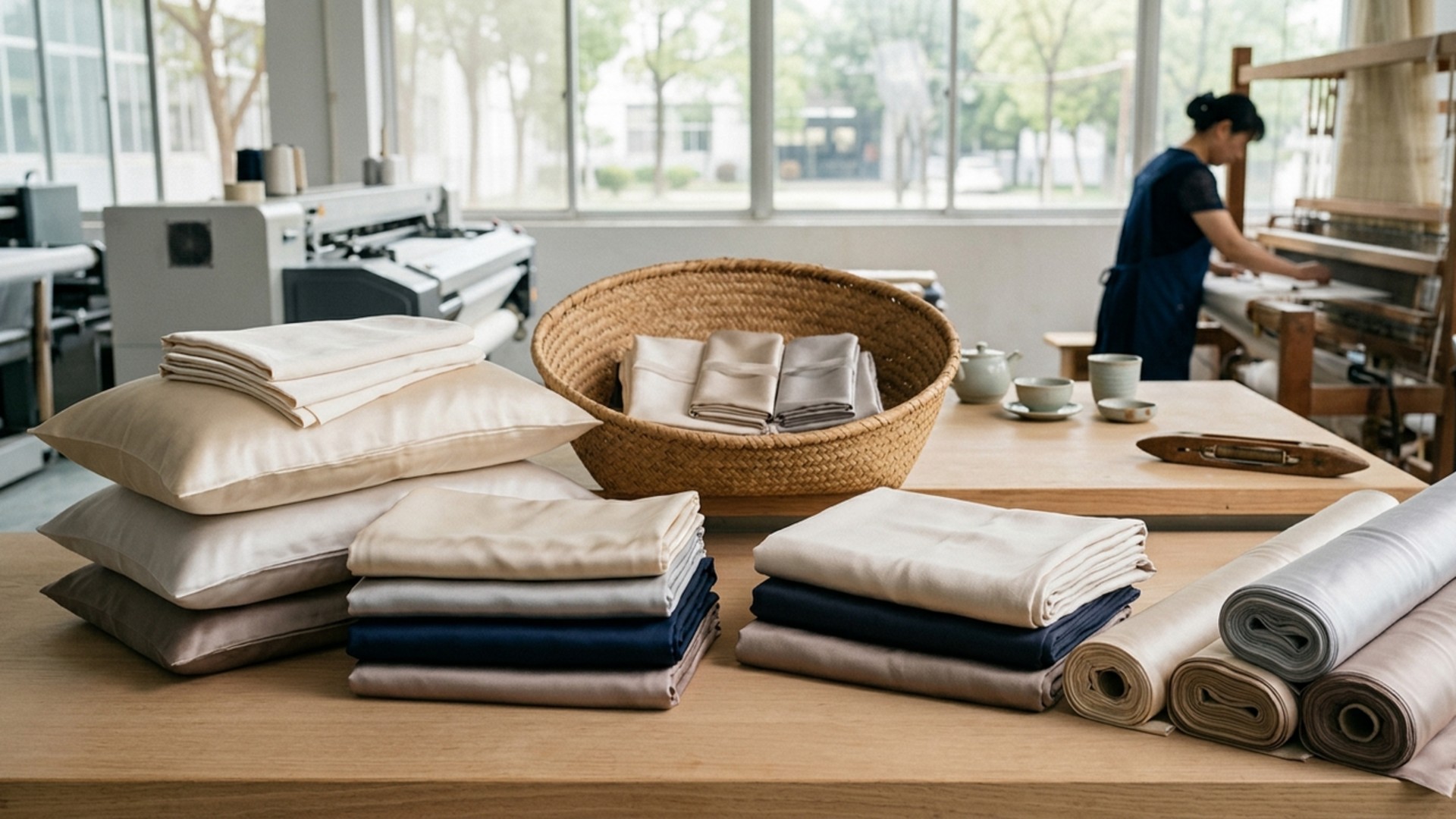
In recent years, many international brands looking for silk suppliers often circle the globe only to return to China. Whether it's high-thread-count pillowcases or small-batch custom filament fabrics, procurement managers often fall silent after reviewing overseas quotes—because they know the most reliable choice is still here.
Conversations with clients often reveal the same scene: rushing to meet seasonal launches, comparing quotes overnight, testing texture, and ultimately requesting Chinese manufacturing by name. The reasons aren't complicated, yet often overlooked.
Why China Has Built a Globally Leading Silk Manufacturing System
Starting at the source, China’s sericulture regions are concentrated and stable, keeping raw-material quality variations within a very narrow range. This consistency allows downstream processes to maintain uniform quality. Many factories have refined the journey of a silk filament—from reeling to finished fabric—for decades, making the workflow increasingly similar to precision engineering.
Quality Advantages from Stable Raw Materials
Many European and American brands are astonished during their first visits by the smooth, lustrous continuous filaments. The higher the material consistency, the easier it is to produce lightweight yet strong silk fabrics—something for which there’s almost no international substitute.
Mature Factory Systems Shorten Development Cycles
China's integration is extremely high: weaving, dyeing and finishing, and product assembly can all be completed within a single province. Cocoonman relies on this system to reduce sample development time significantly—an especially critical advantage for cross-season restocking.
Balancing Quality and Cost for More Flexible OEM Partnerships
Overseas brands often say the first year of collaboration feels like a trial run, but after two or three years they can’t imagine leaving. The reason isn’t only better cost control—it’s also the ability to experiment with more designs under stable supply.
- Shorter sampling cycles
- Higher batch consistency
- Ability to execute complex processes
- Mature global logistics experience
In Cocoonman's partnership cases, many clients have expanded from basic bedding to silk accessories. Behind continuous reorders is trust in reliable delivery capability.
“If you want to turn silk into a truly scalable product, Chinese factories are often the only ones capable of handling the full chain.”
From a procurement perspective, Chinese manufacturing isn’t synonymous with “cheaper”—it’s a guarantee of stable quality with controllable costs. For silk, where touch and sheen are everything, this stability is the advantage.
Long-Term Value for Global Brands
In recent years, Cocoonman has noticed a shift: more brands now treat silk as a strategic category rather than a supporting role. They need reliable OEM partners to plan seasonal cycles, inventory strategies, and product pipelines together.
What truly attracts them isn’t a single order—it’s a manufacturing ecosystem they can trust long-term. And that is exactly why China continues to lead.