Silk Bedding Is Shifting from Niche Luxury to a New Essential
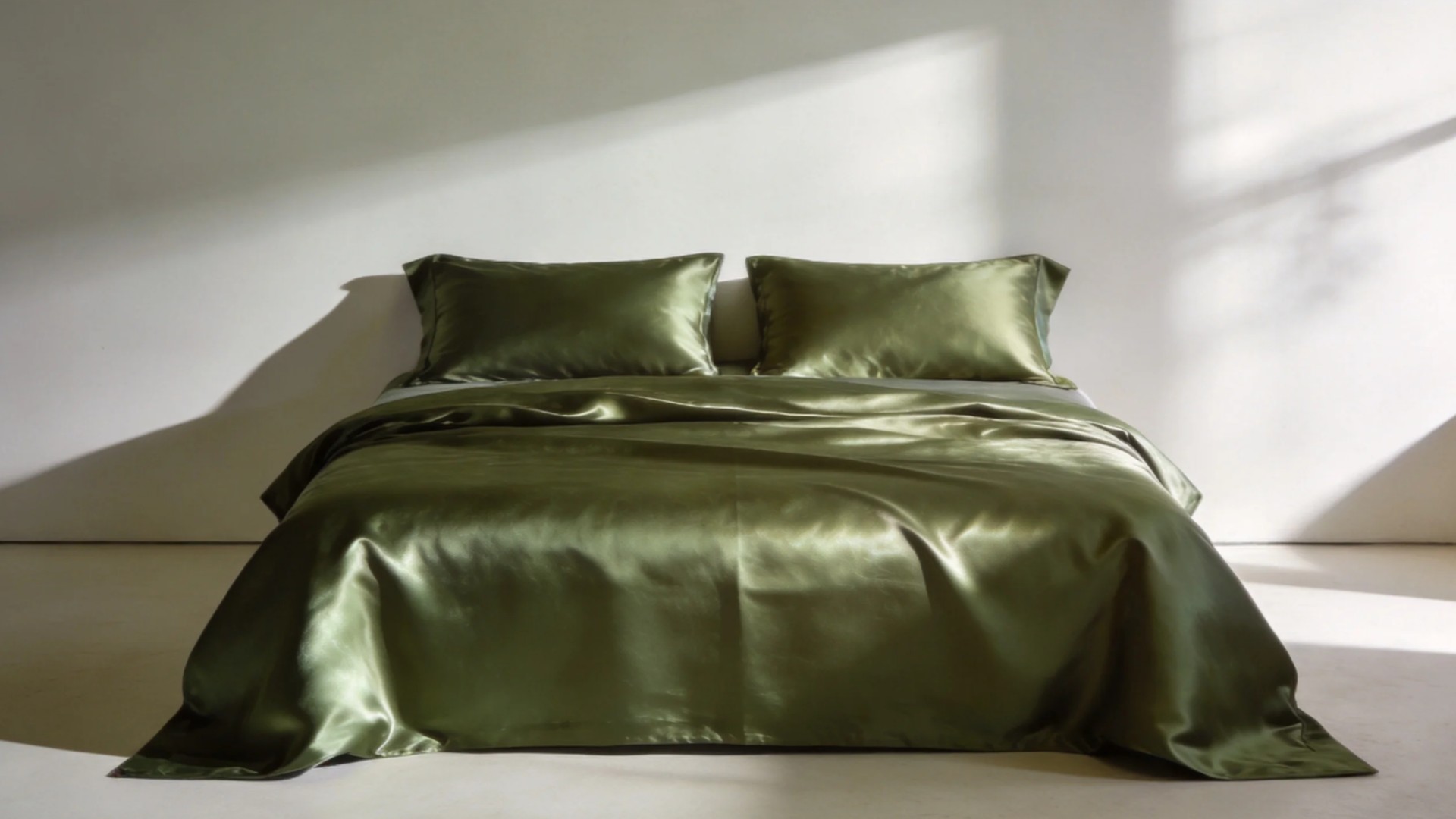
Over the past two years, the home category where people are most willing to spend is not always sofas or appliances. More often, it is pillows, duvets, and bedding. The reason is simple: after being pulled in every direction by work and nonstop information all day, many people come home wanting one thing—to restore their sleep quality. If something truly helps them sleep better, their budget ceiling keeps rising.
That is why silk bedding is moving beyond gifting and high-end display and entering a much broader range of everyday shopping lists. Related searches across North America, Europe, and the Middle East continue to climb, and annual growth above 40% is hardly an exaggeration. This is not a passing craze, but a structural shift centered on sleep, skin feel, and lifestyle.
Rising Search Interest Is Not Just Impulse Buying
Today, consumers no longer choose bedding based only on pattern and price. They also weigh how it feels against the skin, how well it adapts to temperature, how easy it is to care for, and how it fits the bedroom aesthetic. Silk sits right at this intersection: it feels delicate, looks refined, and is easily understood as an upgrade that can improve sleep.
More importantly, the decision journey for silk bedding is getting shorter. Short-form video recommendations, bedroom makeover content, and hotel-style experiences have turned the once-abstract idea of “luxury” into visible, tangible reasons to buy. When sleep is treated as an investment in health, a higher price point is no longer an automatic dealbreaker.
Why Silk Bedding Is Better Positioned for Growth
It Sells More Than Fabric—It Sells a Complete Sleep Experience
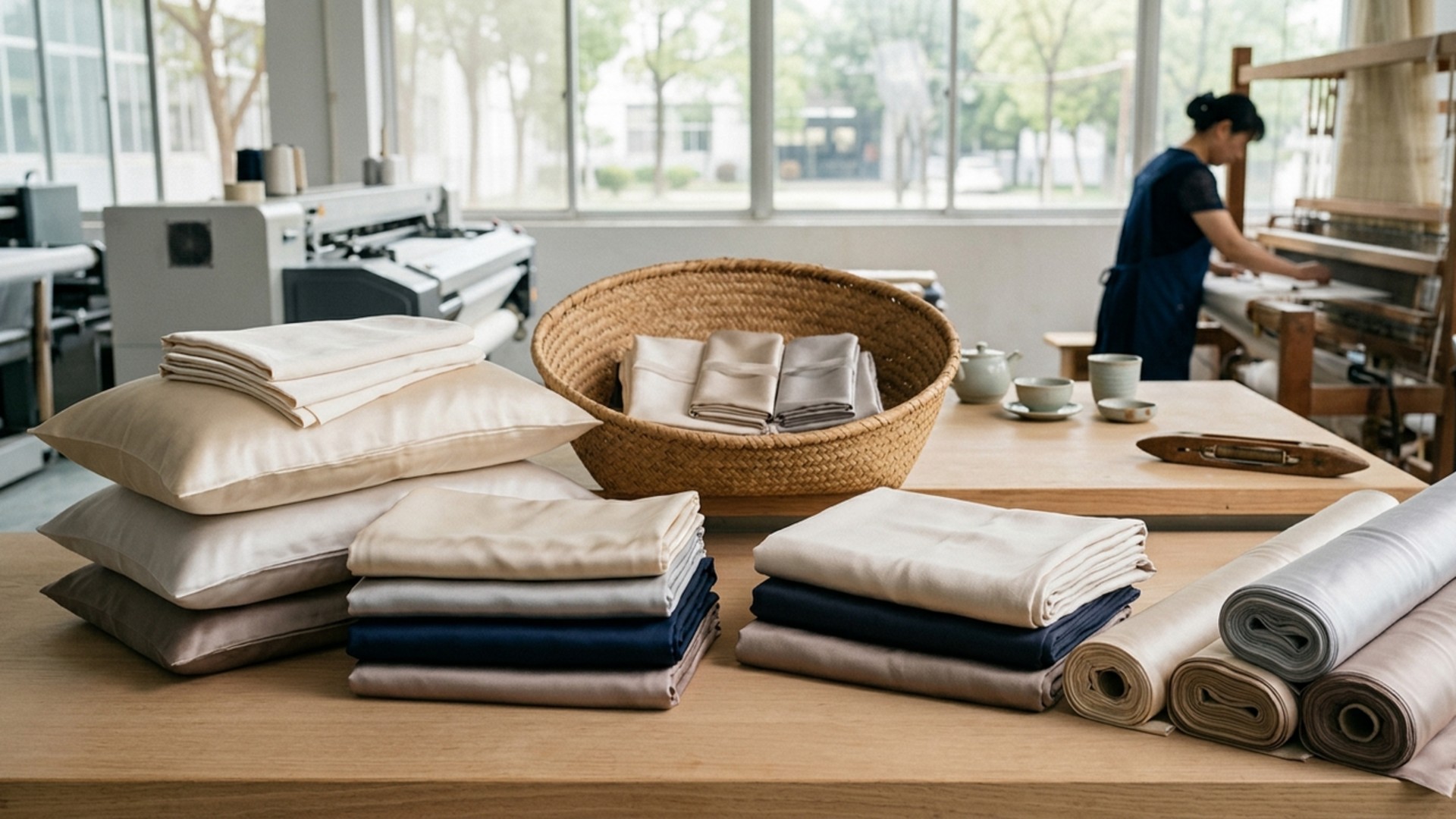
A silk pillowcase has long been the entry-level item, but the real growth potential lies in moving from single products to full collections. Once consumers recognize the skin feel and visual appeal, they are more likely to consider duvet covers, fitted sheets, summer quilts, and even coordinated bedroom styling. That is where higher order values and repeat purchases begin to open up.
Different Regional Markets Prioritize Different Needs
In North America, shoppers care more about comfort and material transparency. In Europe, aesthetics, durability, and sustainability narratives matter more. In the Middle East, sheen, gifting appeal, and a sense of luxury are especially important. On the surface, everyone is buying silk, but the decision drivers vary widely. Brands cannot rely on a single message for every market.
- Entry-level products are ideal for building awareness through silk pillowcases
- Collection-based bundles make it easier to raise average order value and repeat sales
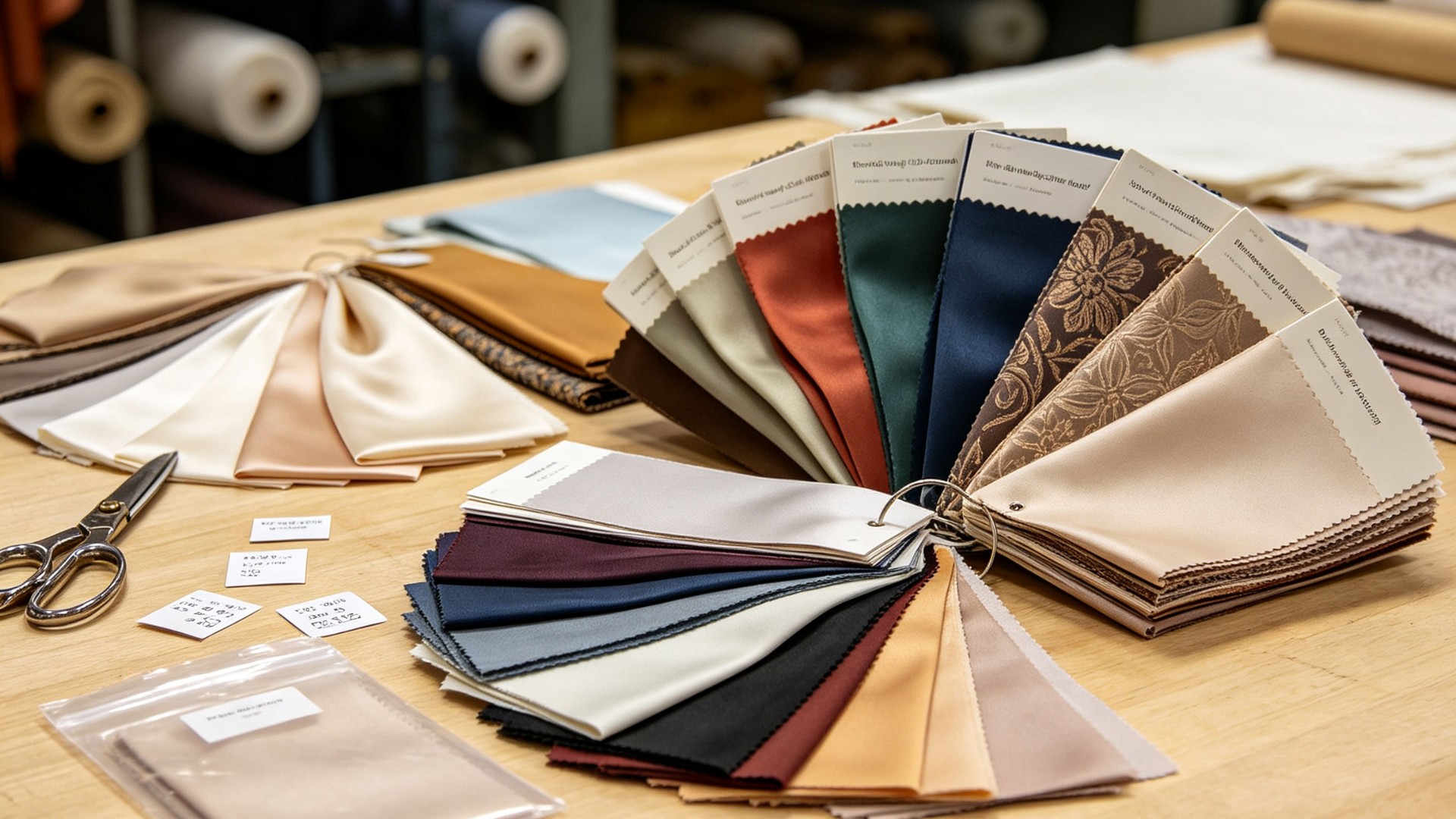
- Colors and sizes should be localized to regional preferences
- Fabric details must be clearly explained to reduce purchase hesitation
That is also why the real opportunity to scale lies not only in traffic acquisition, but in how quickly supply chain and design teams can work together.
For Brands, Winning Early Depends on Speed and Product Strategy
For brands looking to enter this category, the window of opportunity is already open, but competition will become crowded quickly. The brands that can launch stable fabrics, clear product tiers, and market-ready collections faster will have a better chance of claiming early mindshare. That is exactly where partners like COCOONMAN, with manufacturing capacity and design readiness, create value: turning ideas into products that can sell, faster.
The real opportunity is not waiting for the trend to arrive, but placing the right product in front of consumers once demand has already taken shape.
The sleep economy is not just a buzzword—it is already in the bedroom. As silk bedding shifts from an occasional self-treat to a regular investment in a better life, what brands are competing for is not just a category, but a place in the next wave of high-quality home consumption.