Why More Buyers Are Choosing Silk Bonnet Suppliers
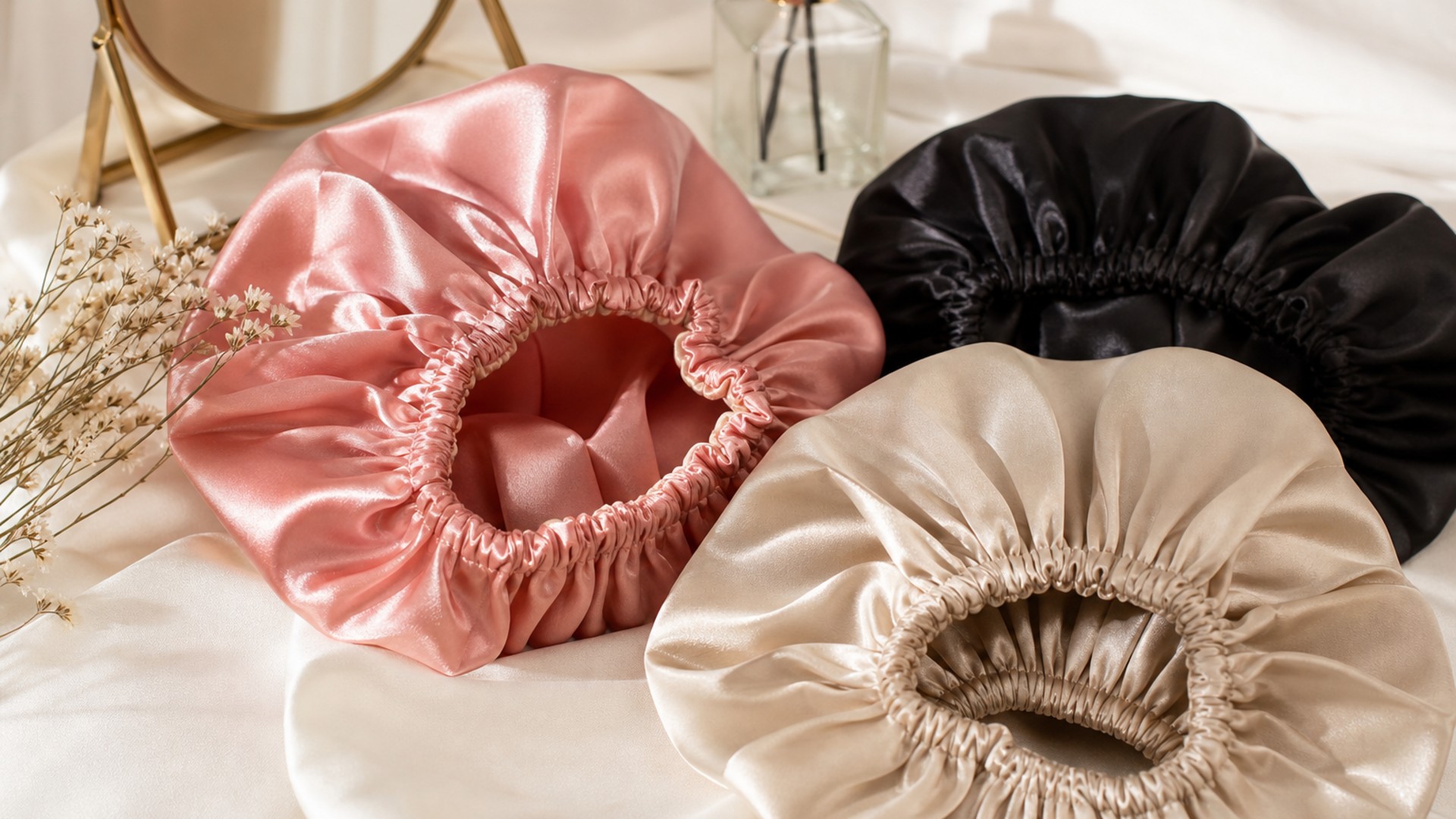
A silk bonnet is no longer a niche hair accessory. For wholesalers, brand owners, and sourcing teams, it has become a practical silk care product with steady demand, clear product differentiation, and strong customization potential. This article outlines what a silk bonnet is, why buyers choose it over ordinary bonnets, how to evaluate it in sourcing, and what makes COCOONMAN a credible manufacturing partner.
What Is a Silk Bonnet and Where Is It Used?
A silk bonnet is a soft head covering made to protect hair during sleep, rest, travel, or low-friction daily wear. In the silk care category, it is valued for combining gentle fabric contact with a secure, practical fit.
Core Features of a Silk Hair Bonnet
A silk hair bonnet is usually made with silk fabric that sits directly against the hair. In higher-grade options such as a mulberry silk bonnet, the smooth surface helps reduce rubbing against pillowcases, headrests, and other fabrics that can disturb styled, textured, or treated hair.
Its construction matters as much as the fabric. Common details include a full-coverage crown, elastic band, adjustable tie, or wide edge designed to stay in place without feeling overly tight. A well-made silk sleep bonnet should balance hold and comfort, especially for overnight use.
Silk bonnets also differ from ordinary satin or polyester bonnets in fiber origin and hand feel. Silk is a natural fiber known for a lighter, smoother touch, while many regular bonnets use synthetic materials that may look glossy but do not offer the same material profile. For buyers, that difference shapes product positioning, care instructions, and end-user expectations.
Common Types and Everyday Use Cases
Silk bonnet styles are not one-size-fits-all. Common product categories include:
- Classic elastic silk bonnet: a standard round design for general sleep use and broad retail appeal.
- Wide-band bonnet: offers a larger edge area, often chosen for a more secure fit and cleaner look.
- Adjustable tie bonnet: suitable for users who want more control over tightness.
- Double-layer silk bonnet: used in premium lines where added structure or opacity is preferred.
- Kids or travel-size versions: designed for specific market segments and gifting sets.
In daily use, a silk bonnet is most often worn at night to help keep hairstyles in place and reduce friction while sleeping. It is also used during skincare routines, indoor lounging, short trips, and post-salon maintenance, especially for curls, braids, pressed hair, wigs, or extensions.
For B2B buyers, these use cases support several product routes: retail basics, premium mulberry silk bonnet collections, gift-ready sets, and custom silk bonnet programs for beauty brands. In silk bonnet wholesale and OEM ODM silk bonnet projects, style selection usually starts with the target user’s hair type, wearing habits, and packaging needs.
Takeaway: A silk bonnet is a practical silk hair care item defined by smooth fabric contact, wearable comfort, and versatile formats for everyday and market-specific use.
Why Choose a Silk Bonnet Instead of a Regular Bonnet?
For buyers comparing product lines, the difference is not just “premium” versus “basic.” A silk bonnet changes the user experience, the product positioning, and the supplier requirements behind it.
Material and Hair-Care Advantages of Mulberry Silk
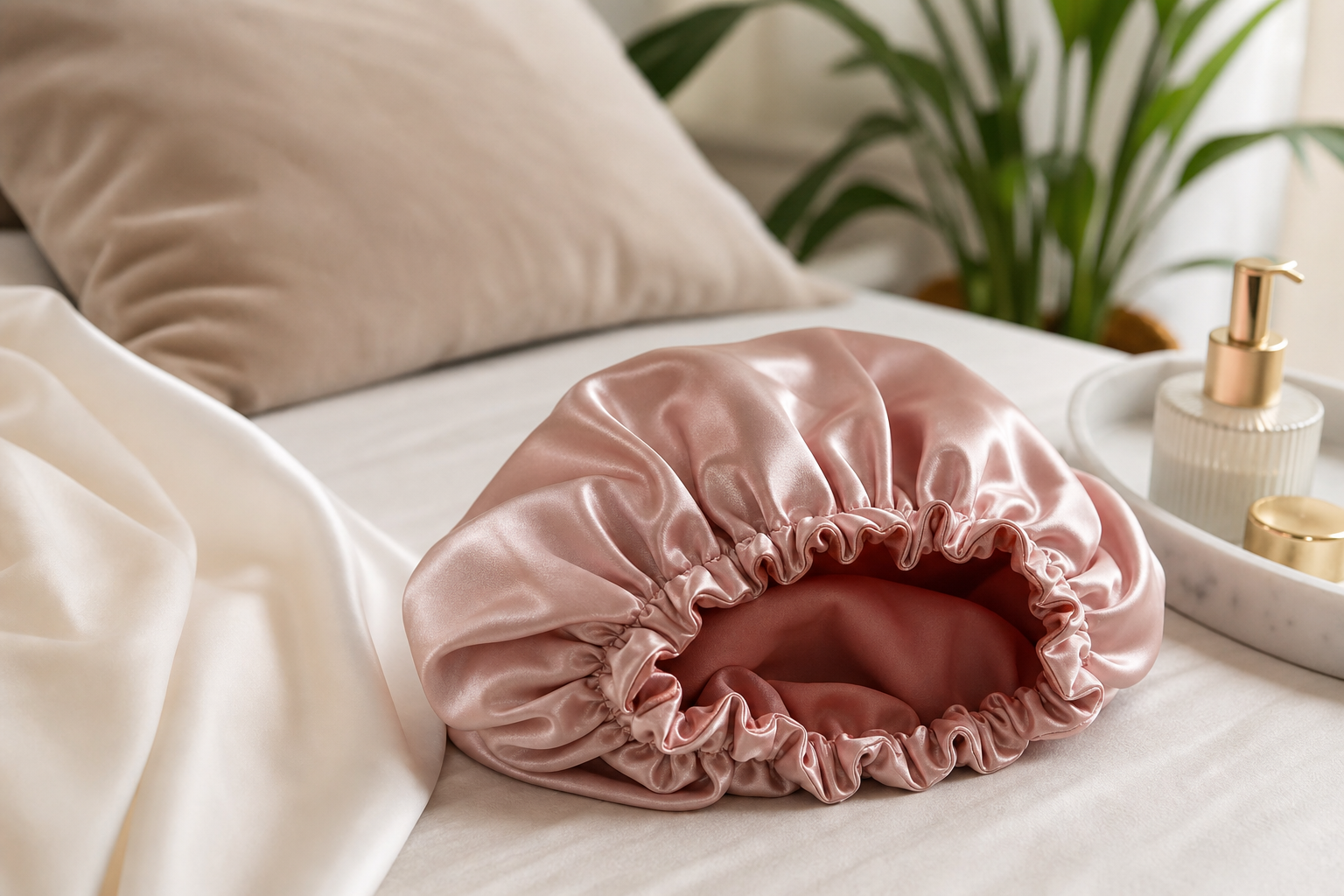
A regular bonnet made from polyester satin or common synthetic fabric can look smooth at first glance, but the fiber behavior is different. A mulberry silk bonnet has a naturally fine, soft surface that reduces friction during overnight wear. That matters for customers who want less tugging on curls, braids, chemically treated hair, or fragile edges.
Silk also feels lighter and more breathable than many conventional bonnet materials. Users often notice less heat build-up around the scalp, especially in warmer climates or long wear conditions. For brands, that translates into a clearer product story: comfort is not only visual, but tactile and functional.
From a retail and wholesale standpoint, silk sleep bonnet products also support stronger category differentiation. Instead of competing only on color or price, buyers can present a silk hair bonnet as a material-based upgrade with a practical care benefit. That is often easier to communicate in product listings, salon recommendations, and gift-focused packaging.
Why Manufacturing, Certification, and Custom Options Matter
Material alone is not enough. A silk bonnet wholesale program only becomes reliable if the supplier can control fabric sourcing, sewing consistency, elastic quality, and finishing details. Poor stitching or unstable sizing can weaken even a good silk fabric, which is why professional manufacturing matters in repeat orders.
For B2B buyers, certification is a purchasing filter, not a marketing extra. Suppliers like COCOONMAN that highlight OEKO and ISO credentials give importers and brand owners a clearer basis for compliance review, supplier onboarding, and document checking. This is especially relevant for businesses selling into marketplaces, chain retail, or regulated cross-border channels.
Custom development also affects commercial value. A custom silk bonnet may require logo labels, exclusive colors, revised diameter, double-layer construction, or packaging matched to a private-label line. With OEM ODM silk bonnet support, buyers can move beyond stock goods and build a product that fits their price point, audience, and brand identity.
Takeaway: A silk bonnet stands out not only because mulberry silk performs better on hair, but because strong manufacturing, certification, and customization make it a safer and more scalable product choice.

How Should Buyers Evaluate and Source the Right Silk Bonnet?
A silk bonnet may look simple, but supplier quality varies sharply. Buyers should review the product in two layers: first the item itself, then the factory system behind it.
How to Check Material, Stitching, Fit, and Packaging
Start with the sample, not the catalog. Ask for a physical sample in the exact fabric grade, color, size, and edge construction you plan to buy, because bonnet quality often changes with small specification shifts.
Use this checklist during review:
- Material: confirm the fiber content and silk grade in writing. For a mulberry silk bonnet, ask whether the contact surface is 100% silk, whether both sides are silk or one side is blended, and the momme range used.
- Hand feel and surface: the fabric should feel smooth and dense rather than thin, papery, or overly stiff. Check for uneven dyeing, snags, abrasion marks, or excessive shine that may indicate coating.
- Stitching: inspect seam density, elastic attachment, and inside finishing. Loose threads, skipped stitches, exposed raw edges, or puckering usually signal weak production control.
- Fit: test on different head sizes and hair volumes. A silk sleep bonnet should stay in place overnight without a painfully tight band or a crown that collapses too flat.
- Packaging: review individual bag type, barcode placement, care label, fiber label, and carton marking. Retail-ready packaging needs consistency, while wholesale orders need practical protection and accurate outer-carton counts.
If possible, wash-test one sample and wear-test another. Small failures—twisted elastic, color rub, seam opening—often show up after basic handling.
How to Assess OEM ODM Silk Bonnet Supply Capability
For a custom silk bonnet or silk bonnet wholesale program, ask the supplier to explain its process step by step. Strong OEM ODM silk bonnet suppliers can clearly define sampling, approval, mass production, inspection, and shipment milestones.
Check these decision points before placing a large order:
- Can they develop based on your tech pack, reference sample, or brand brief?
- Do they support logo methods, custom labels, woven tags, printed bags, and gift-box packaging?
- Can they manage color matching across repeat orders?
- Are OEKO and ISO documents current and traceable to the company name?
- Do they provide pre-production confirmation and final inspection standards?
- Can they state realistic lead times, MOQ, and replenishment terms without vague promises?
With COCOONMAN, buyers should also verify communication speed, sample accuracy, and document readiness, because those factors usually reflect how reliably bulk orders will be handled.
Takeaway: The right silk hair bonnet supplier proves quality in the sample and control in the process.
Which Buyers Benefit Most from Silk Bonnet Wholesale Partnerships?
Not every buyer needs the same supply model. A strong silk bonnet wholesale partnership works best when product requirements, brand goals, and delivery expectations are clearly matched from the start.
Best-Fit Customer Groups and Their Purchasing Priorities
Different buyer types focus on different commercial outcomes. Knowing those priorities helps narrow product specifications, packaging decisions, and cooperation terms before sampling begins.
| Buyer Type | Main Priority | Typical Order Focus |
|---|---|---|
| Wholesalers | Stable repeat supply | Core colors, standard sizing, reliable replenishment |
| Brand owners | Product differentiation | Custom silk bonnet design, labels, gift-ready packaging |
| Retail chains and salons | Shelf suitability | Consistent appearance, barcode-ready packs, practical assortments |
| E-commerce sellers | Fast testing and scaling | Flexible quantities, photo-friendly presentation, style variation |
*Comparison of buyer groups and their main silk bonnet purchasing priorities.*
Wholesalers usually want fewer variables and cleaner forecasting. They tend to favor proven SKUs, predictable lead times, and straightforward carton labeling that simplifies storage and redistribution.
Brand owners often care more about exclusivity. For them, a custom silk bonnet program may include logo placement, color matching, branded care labels, and packaging that supports a premium retail position.
Procurement teams at salons, beauty stores, and chain retailers look closely at operational fit. They may ask for mixed color packs, unified sizing standards, and packaging formats that reduce in-store handling.
A common mistake is choosing a supplier based only on unit price while ignoring replenishment discipline, trim consistency, or packaging accuracy. For B2B buyers, those details affect returns, stock planning, and customer satisfaction just as much as the bonnet itself.
How COCOONMAN Supports Long-Term B2B Cooperation
COCOONMAN is positioned for buyers who need more than a one-off order. Its role fits companies looking for a silk hair bonnet supplier with manufacturing depth, OEM ODM silk bonnet capability, and documentation that supports formal sourcing.
For long-term cooperation, practical support matters:
- OEM/ODM development for branded collections, seasonal updates, or exclusive retail lines
- Professional silk product manufacturing rather than mixed-material trading models
- OEKO and ISO-backed compliance references for buyers with internal vendor review requirements
- Clearer coordination on sampling, production details, and repeat-order consistency
This model is especially useful for buyers building a private-label mulberry silk bonnet range or expanding an existing sleep accessories catalog. It also suits importers that need one supplier capable of handling both standard silk sleep bonnet orders and custom projects without changing factories.
Takeaway: The best silk bonnet wholesale partnerships are built around buyer fit, operational clarity, and a supplier like COCOONMAN that can support repeat business as well as customization.
FAQ
What is the difference between a silk bonnet and a satin bonnet?
A silk bonnet is made from genuine silk fiber, while satin describes a fabric finish and is often produced with polyester or other synthetic yarns. That difference affects raw material identity, hand feel, and how the product is positioned in the market. For buyers, the choice usually comes down to target price point, brand direction, and customer expectations.
Is a mulberry silk bonnet suitable for private label projects?
Yes, a mulberry silk bonnet is a strong fit for private label development. It supports a more premium product story and gives room for custom color matching, logo application, and packaging design. That makes it practical for brands building a distinct silk sleep bonnet or silk hair bonnet range.
What should buyers confirm before placing a silk bonnet wholesale order?
Buyers should review the silk grade, momme weight, bonnet size, elastic construction, stitching standard, and finishing details. It is also wise to confirm labels, packaging specs, production lead time, and supporting documents before approval. A clear pre-production checklist helps reduce revision costs and delivery issues.
Why do OEKO-TEX and ISO certifications matter for silk bonnet sourcing?
These certifications give buyers a clearer basis for judging material compliance and factory operating standards. They also indicate that the supplier is better prepared with documentation for markets that require more formal quality review. For procurement teams, that can make qualification and supplier comparison more efficient.
Can COCOONMAN provide custom silk bonnet and OEM ODM services?
Yes, COCOONMAN supports custom silk bonnet development with OEM ODM silk bonnet service options. Its offering is built around professional silk manufacturing, flexible customization, and certified production capability. That makes it relevant for buyers seeking both standard programs and tailored brand projects.
Conclusion
For B2B buyers, a silk bonnet is no longer just a simple sleep accessory on a product list. It sits at the intersection of material quality, private label potential, and sourcing discipline, which makes supplier selection a strategic decision rather than a routine purchase. If you are comparing silk bonnet wholesale partners or planning a custom silk bonnet program, COCOONMAN is well positioned for a practical, business-focused conversation.