Silk Sleep Mask Care Guide | Cocoonman
Silk Sleep Mask Care Guide | Cocoonman
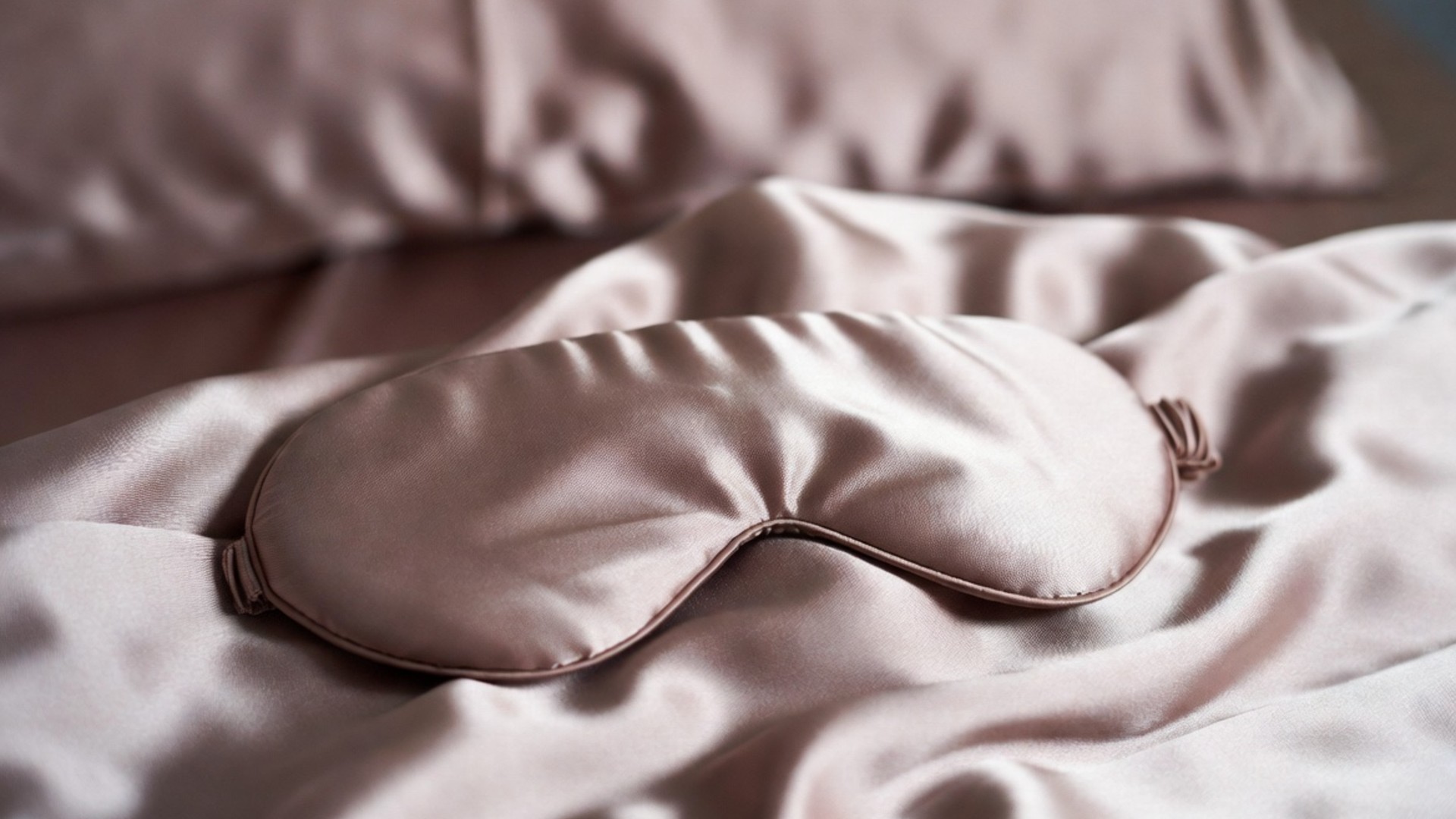
A silk sleep mask sits directly against delicate eye-area skin, so cleaning is both a hygiene matter and a product-quality concern. Because silk fibers can be affected by heat, harsh detergent, and excessive friction, the key question is not simply how to wash silk sleep mask products, but when to hand wash and when machine washing is acceptable. This guide compares both methods through a practical care lens, helping Cocoonman’s B2B partners, OEM/ODM buyers, and silk product brands set clearer silk sleep mask care instructions for wholesale and custom silk sleep mask programs.
Why Silk Sleep Mask Cleaning Needs a Gentler Decision
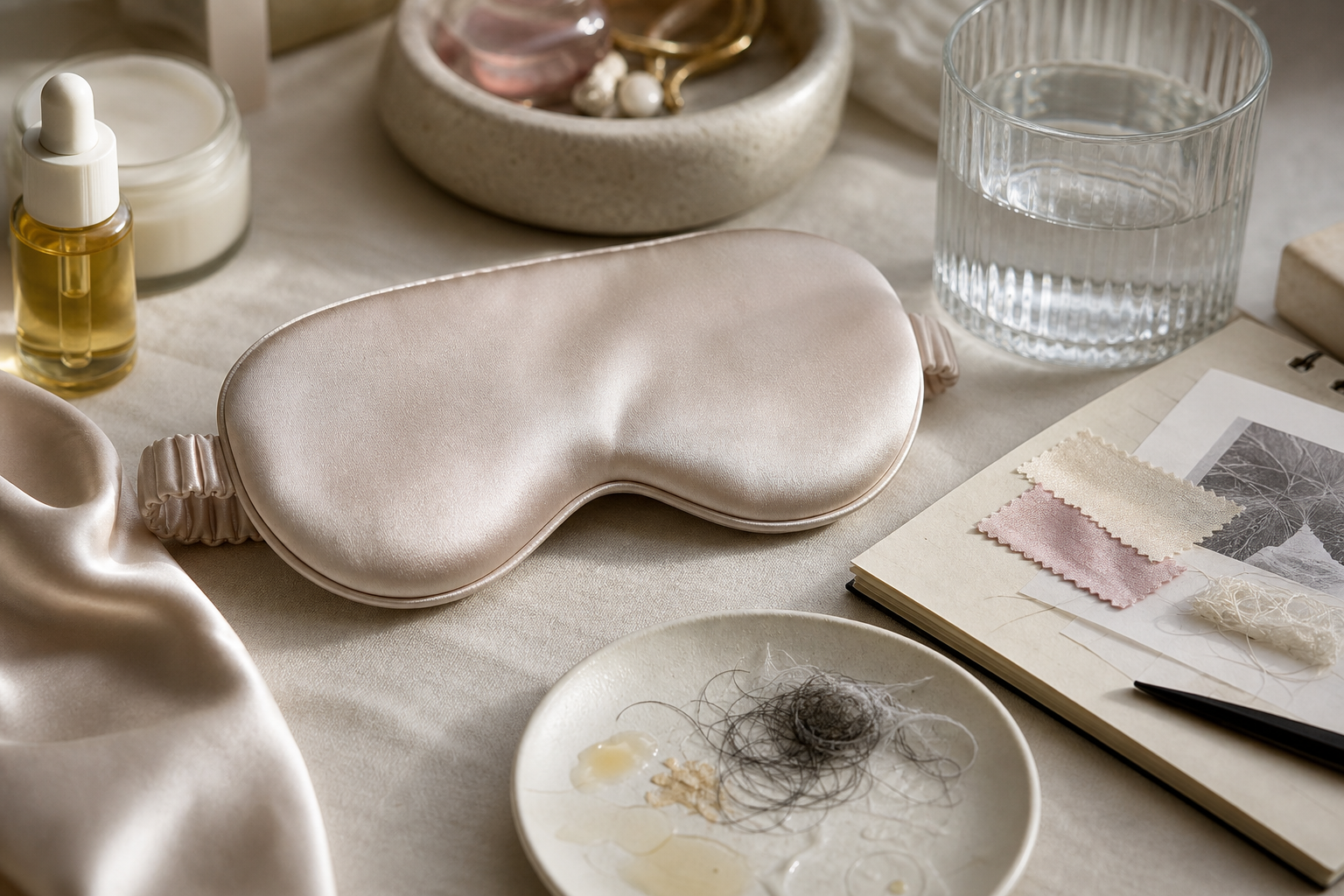
A silk sleep mask sits against the face for hours, so it picks up more than dust. Skin oils, makeup traces, eye cream, and sweat all build up on the fabric, which makes cleaning a regular quality issue, not just a hygiene task. The decision between hand wash silk sleep mask care and machine wash silk sleep mask care matters because silk responds differently than sturdier textiles. Too much agitation can change how the mask feels, looks, and fits.
What Silk Fibers Dislike
Silk is a protein fiber, which is one reason it feels smooth and cool against the skin. It is also why it can be sensitive to harsh cleaning. Strong rubbing can roughen the surface, creating fiber abrasion that reduces the soft hand-feel buyers expect. Repeated mechanical stress may also cause the fabric to lose luster, especially on darker or high-sheen finishes where dullness is easier to notice.
Fit matters too. A silk sleep mask usually includes elastic, padding, or a contoured shape, and aggressive cleaning can distort those parts. Even when the fabric survives, the mask may no longer sit flat, block light evenly, or retain its original drape. That is a practical concern for anyone comparing how to wash silk sleep mask products without shortening their usable life.
Who Needs This Routine
This decision affects more than individual consumers. Daily users who wear a silk sleep mask to protect skin or manage light exposure need a cleaning routine that balances cleanliness with fabric care. People using skincare overnight should pay extra attention, since residue can build up faster around the eye area.
It also matters for brands, retailers, and hospitality buyers. A hotel amenity program, spa line, or custom silk sleep mask order needs care guidance that matches the product construction and end use. For silk sleep mask wholesale programs, washing instructions are part of the product experience because they affect returns, customer satisfaction, and repeat orders.
Cocoonman, as a B2B silk supplier and OEM/ODM partner, treats silk sleep mask care as part of product quality from the start. That means care labels, material choices, and finishing details are considered together, rather than added later as an afterthought.
Takeaway: the gentler the cleaning decision, the better a silk sleep mask can preserve its feel, shape, and appearance over time.
Hand Washing: Best for Maximum Control
For a silk sleep mask, hand washing gives you the most control over fabric handling, detergent contact, and drying shape. It is also the preferred care method for premium retail packaging instructions and for Cocoonman custom silk sleep mask orders where the buyer wants to preserve perceived quality.
Step-by-Step Hand Wash Method
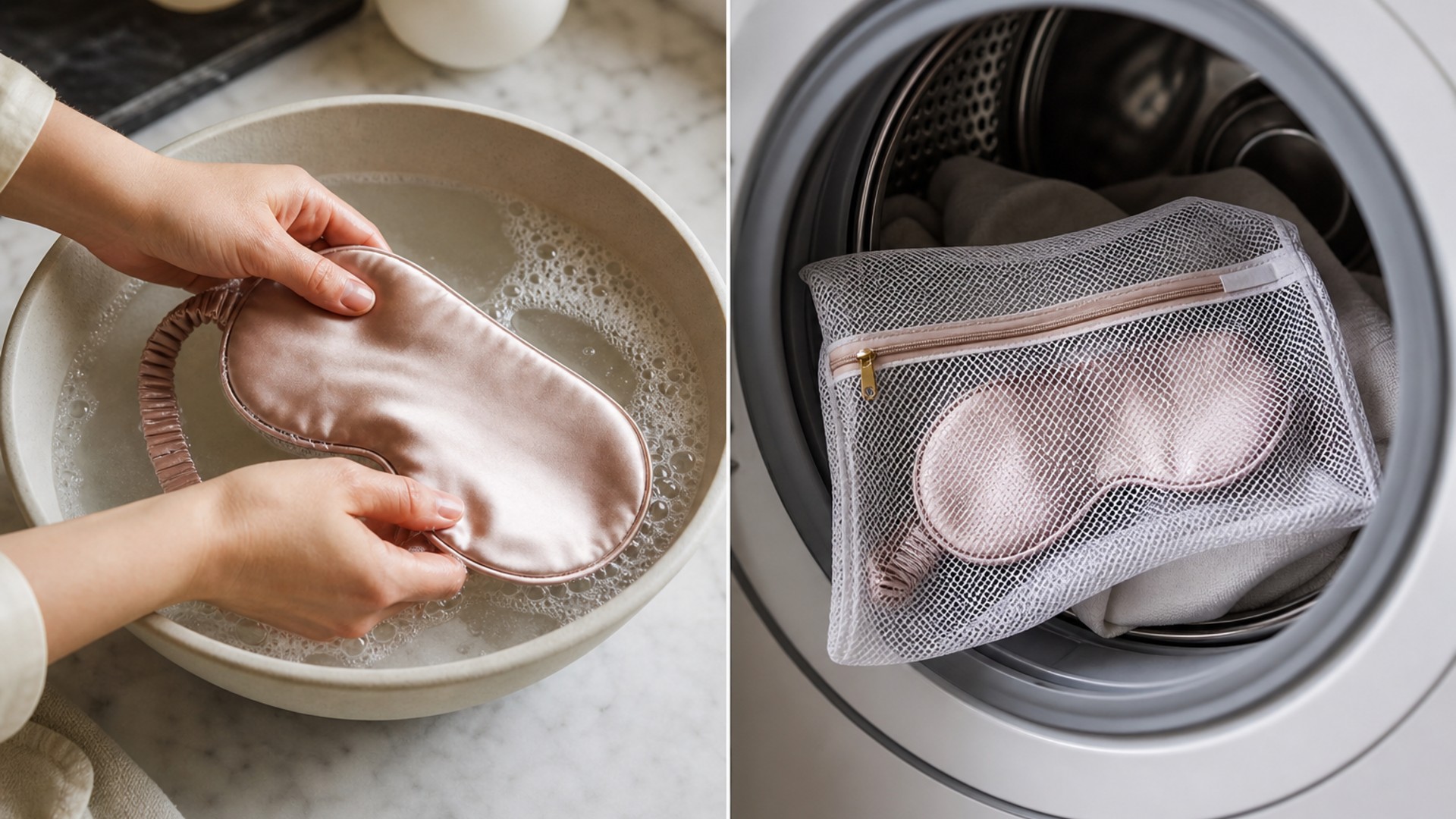
Start with a clean basin and fill it with cool to lukewarm water. Add a small amount of neutral or silk-safe delicate fabric detergent, then dilute it fully before the mask touches the water. This helps prevent concentrated detergent from sitting on one spot and stressing the fibers.
Place the silk sleep mask in the bath and let it soak briefly. A short soak is usually enough to loosen skin oils and skincare residue without overhandling the material. After soaking, press the fabric gently through the water and swirl it lightly. Avoid twisting, scrubbing, or rubbing any part of the mask, especially around stitched edges or elastic areas.
When the mask looks clean, lift it out and rinse thoroughly in fresh cool water until no detergent remains. Residue left behind can make silk feel stiff and dull. To remove excess water, lay the mask flat on a clean towel, roll it up, and press gently. Do not wring it. Reshape the mask while it is still damp, then let it air dry flat or hanging in the shade.
Water, Detergent, and Pressure
The main advantage of hand washing is control. You can adjust water temperature, limit soak time, and manage pressure by hand instead of relying on mechanical agitation. That matters for a silk sleep mask because the fabric sits close to the skin and is often finished for a smooth, polished feel.
Use only enough detergent to clean the mask without leaving a film. Strong formulas and heavy dosing can strip softness over time. If you are writing care guidance for retail inserts or handling silk sleep mask wholesale programs, clear hand-wash instructions also reduce customer error and help keep returns lower.
For brands offering a custom silk sleep mask, hand-wash guidance should be included with the product so customers know how to wash silk sleep mask items without flattening the surface or distorting the fit.
Takeaway: Hand washing is the safest way to protect silk texture, shape, and finish when care quality matters most.

Machine Washing: Convenient, but Only Under Conditions
Machine washing a silk sleep mask can be practical when speed and consistency matter, but it should be treated as a controlled exception—not the default for every design. The goal is to reduce agitation, friction, and heat so the mask keeps its shape, surface sheen, and comfortable fit.
When Machine Washing Can Work
Before you machine wash silk sleep mask products, check the care label first. Some masks are made with silk charmeuse on the outside but include padding, elastic, embroidery, or trims that change the cleaning requirements. If the label says dry clean only or hand wash only, follow that instruction.
Machine washing is most suitable for simple, lightly padded silk masks with secure stitching and no delicate surface decoration. It can also work for repeatable silk sleep mask care in hospitality, gifting, or silk sleep mask wholesale programs where the construction has been tested for gentle machine cycles.
Avoid the machine if the mask has:
- Heavy padding that may bunch, compress, or dry unevenly
- Complex embroidery or appliqué
- Beads, piping, lace, or decorative trims
- Uncertain colorfastness, especially dark or vivid shades
- Weak elastic, loose seams, or mixed materials with unknown care needs
For a custom silk sleep mask with special branding, embroidery, contrast piping, or premium gift packaging, confirm washing guidance with the supplier before adding machine washing to customer care instructions.
Settings That Reduce Damage
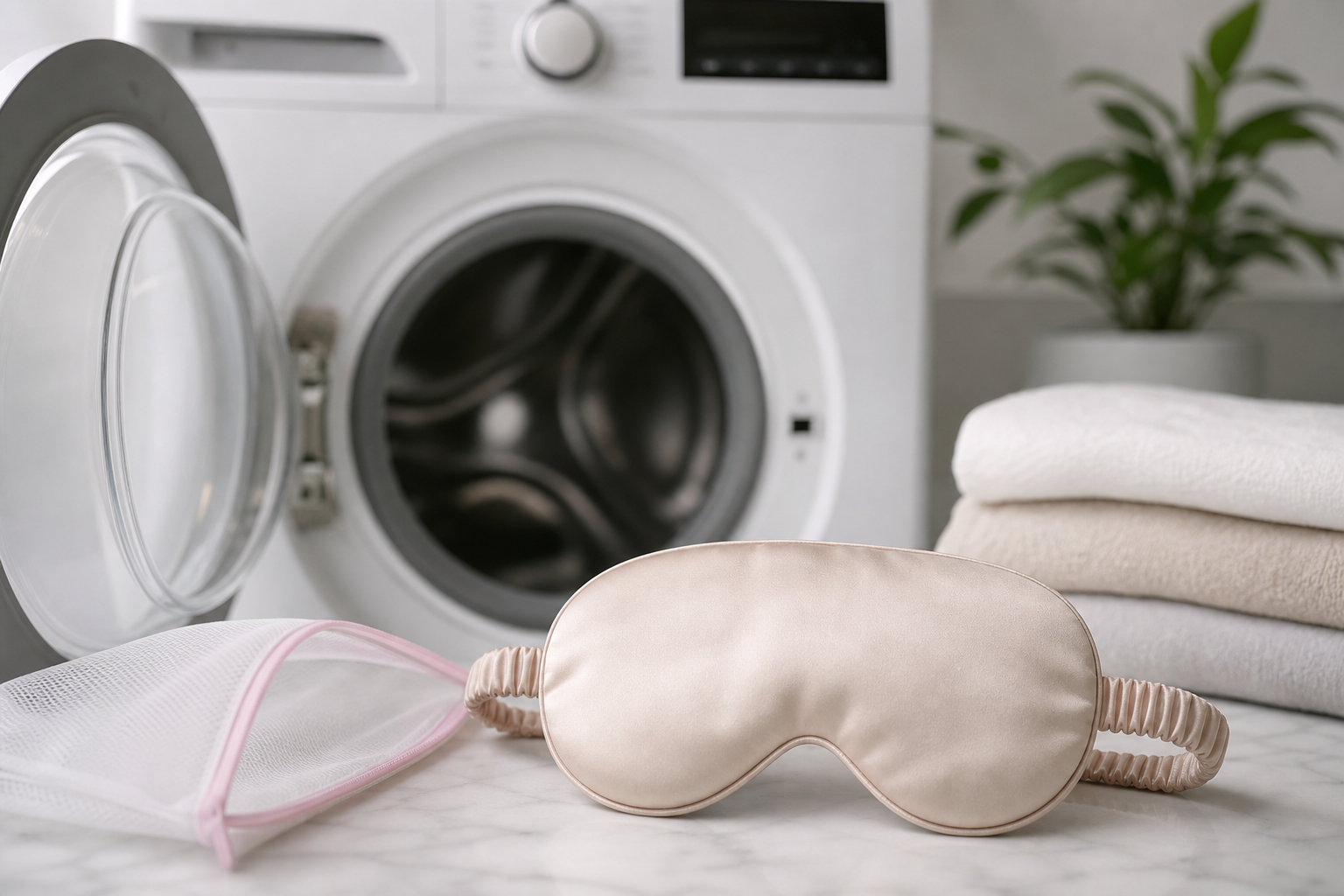
Use a fine mesh laundry bag to keep the silk sleep mask from rubbing against the drum, zippers, hooks, or heavier garments. Wash it alone when possible, or with a small load of lightweight delicates in similar colors. Do not include towels, denim, bras with hardware, or textured fabrics.
Choose a delicate, silk, or hand-wash cycle. Use cold or low-temperature water, since heat can affect silk texture, color, and elasticity in attached bands. Add only a small amount of neutral detergent made for delicate fabrics; excess detergent is harder to rinse out and can leave residue near the eye area.
Skip bleach entirely, including oxygen bleach unless the care label specifically allows it. Avoid fabric softener as well, because it can coat the fibers and alter the smooth feel that makes a silk sleep mask comfortable against the skin.
Set the spin to low, very short, or off. High-speed spinning can crease the silk and stress seams or padding. When the cycle finishes, remove the mask promptly so it does not sit damp and compressed in the machine.
Takeaway: machine washing can work for simple silk sleep masks, but only with the right label, low-impact settings, and a design that can tolerate mechanical movement.
Aftercare Mistakes That Shorten Mask Life
Even when a silk sleep mask is washed correctly, poor aftercare can weaken the fabric, flatten padding, or leave the mask looking tired. Drying, finishing, and storage deserve as much attention as the wash method itself.
Drying, Ironing, and Storage
After washing, reshape the mask while it is still damp. Smooth the eye area, elastic band, and edges with your hands so the mask dries in its intended form. This is especially important for padded styles and custom silk sleep mask designs with piping, embroidery, or branded details.
Air dry silk away from direct sunlight, radiators, tumble dryers, and strong airflow from fans or vents. Heat and harsh airflow can make silk feel brittle, while sunlight may cause fading or uneven discoloration. A shaded, well-ventilated area is the safest option.
Ironing is not always necessary. If the care label allows it, use low heat only. Turn the mask inside out where possible, or place a clean pressing cloth between the iron and silk surface. Avoid pressing hard over padded areas, seams, elastic, or decorative details.
Store the mask only when it is fully dry. A breathable pouch is better than a sealed plastic bag, especially for travel or retail packaging. Do not compress the mask under books, luggage, or heavy garments, as pressure can crease the silk and distort the shape.
| Use case | Hand wash silk sleep mask aftercare | Machine wash silk sleep mask aftercare |
|---|---|---|
| Consumer guidance | Best positioned as the premium care route; drying and reshaping instructions should be clear and simple. | Suitable only when the label permits; aftercare should stress prompt removal, reshaping, and gentle drying. |
| B2B after-sales materials | Ideal for luxury retail, gifting, and silk sleep mask wholesale programs focused on longevity. | Useful for convenience-focused buyers, but care cards should highlight limits for padded or embellished styles. |
Common Errors to Avoid
The most frequent silk sleep mask care mistakes happen after the wash is finished. Avoid clipping the mask with harsh pegs, hanging it from the elastic for long periods, or drying it near bathroom heat. These habits can stretch the band or leave marks on the silk.
Keep the mask away from cosmetics, perfumes, hair oils, and sharp accessories during storage. Skincare residue can transfer onto the fabric, while zippers, earrings, and hairpins may snag the weave.
For brands, the same rules should appear consistently on packaging, inserts, and after-sales emails. Clear care guidance reduces avoidable damage and helps buyers understand the tradeoff between hand washing and machine washing.
Takeaway: A silk sleep mask lasts longer when it is reshaped damp, dried gently, stored dry, and protected from heat, pressure, cosmetics, and sharp objects.
FAQ
Q: How often should I wash a silk sleep mask?
A practical rhythm is once every one to two weeks for everyday use. If the mask picks up skincare, sweat, or makeup, wash it sooner. People with sensitive skin often do better with a slightly more frequent gentle-cleaning schedule.
Q: Can I machine wash a silk sleep mask every time?
Only if the care label allows it and the construction is suitable for delicate laundering. Use a mesh bag, cold water, a silk-safe detergent, and the lowest spin setting available. For a premium silk sleep mask, hand washing usually gives better control and less stress on the fibers.
Q: What detergent should I use for silk sleep mask care?
Choose a mild liquid detergent made for silk or delicate fabrics. Avoid bleach, enzyme-based formulas, optical brighteners, and fabric softeners because they can be too harsh for fine silk. A small dose is usually enough to clean the mask without leaving a film.
Q: Can I dry a silk sleep mask in direct sunlight?
It is better not to. Strong sun can affect color and leave the surface looking tired over time. Press out excess water with a clean towel, then air dry the mask in a shaded, ventilated place.
Q: Do wholesale or custom silk sleep mask orders need care instructions?
Yes, they should. Clear guidance helps buyers use the product correctly and lowers avoidable damage, which is especially important for silk sleep mask wholesale and custom silk sleep mask programs. Cocoonman can tailor care messaging to fit the material, packaging, and target market.
A silk sleep mask keeps its softness and polished look longer when cleaning methods match the fabric’s limits. Hand washing is the safest choice for precise silk sleep mask care, while machine wash silk sleep mask routines only make sense under gentle, low-friction conditions. For consumers, that means better comfort night after night; for B2B buyers, it means clearer customer expectations, fewer after-sales issues, and stronger confidence in Cocoonman’s OEM/ODM silk supply support.
Conclusion
For Cocoonman, silk sleep mask care is part of product value, not an afterthought: the right cleaning method helps preserve softness, shape, and the finish that buyers expect from a well-made silk sleep mask. That is especially important for custom silk sleep mask programs and silk sleep mask wholesale supply, where clear care guidance supports a better end-user experience and reduces avoidable damage after purchase. Whether the preferred routine is hand wash silk sleep mask care or carefully controlled machine washing, Cocoonman designs and supplies silk products with practical use, long-term quality, and OEM/ODM consistency in mind.