Silk Pillowcase Care tips | Cocoonman
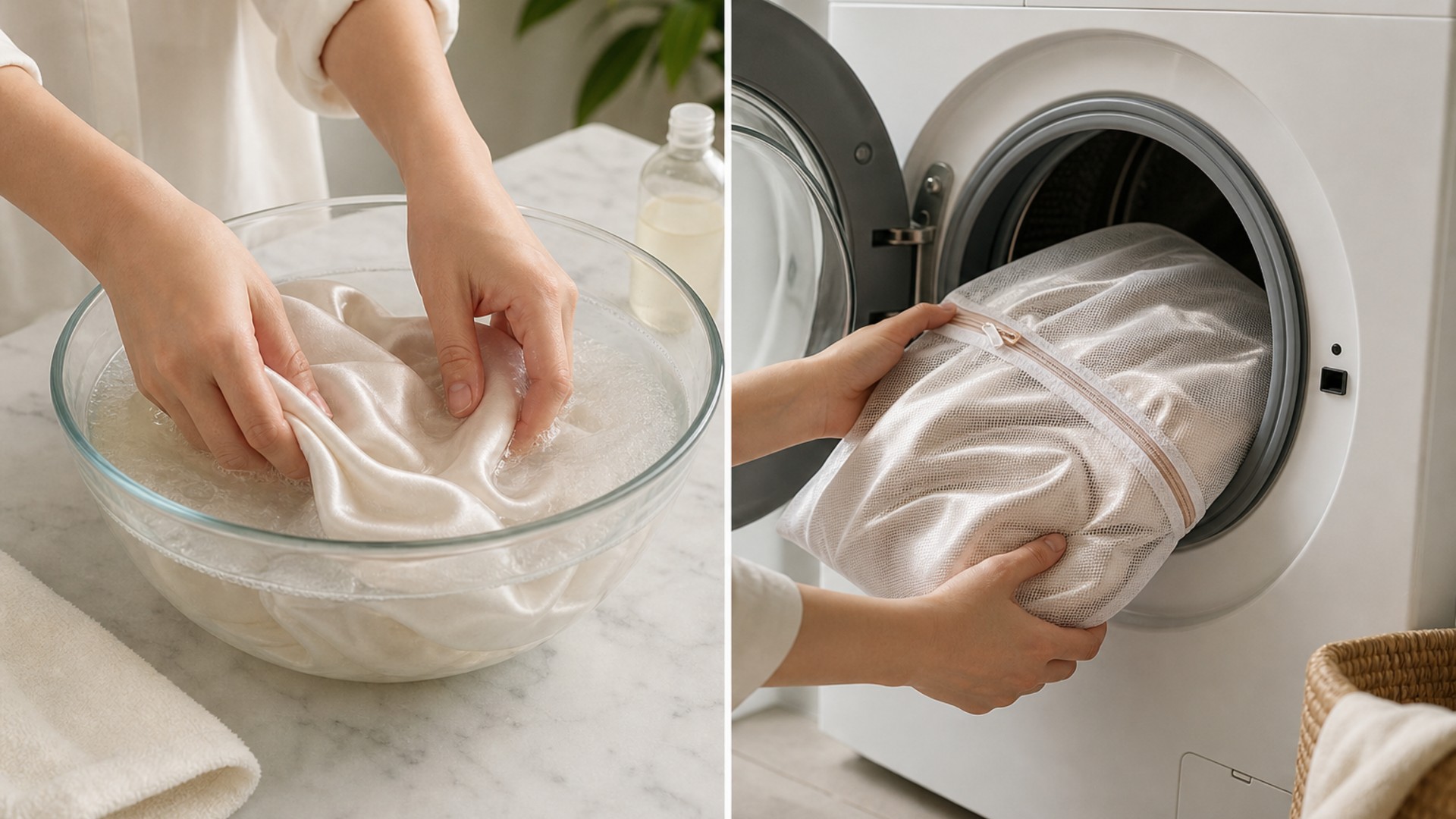
If you are looking for how to wash silk pillowcase correctly, the real question is which care method matches the fabric. Silk is a protein fiber, so heat, strong friction, and harsh detergents can affect its shine, handfeel, and service life. This guide compares hand washing with machine washing, explains when a machine washable silk pillowcase is truly appropriate, and gives B2B buyers a practical way to brief customers. For Cocoonman, a global silk supplier focused on OEM/ODM and machine washable silk fabric, the goal is simple: make silk pillowcase care easier for end users and more reliable for brands.
Why Silk Pillowcases Need a Different Wash Routine
Silk pillowcases look simple, but their care needs are not the same as cotton or polyester. For brands, retailers, and distributors, understanding how to wash silk pillowcase products correctly is part of product quality, not just after-sales support. The way silk responds to water, heat, and cleaning agents directly affects shine, softness, and customer satisfaction.
Protein fibers break down under heat and friction
Silk is a protein fiber, which makes it naturally smooth and luxurious, but also more sensitive to harsh treatment. Excess heat can weaken the fiber structure and reduce the fabric’s natural sheen. Strong agitation can also roughen the surface, which affects the soft hand-feel buyers expect from premium silk pillowcase care. When the fiber is stressed repeatedly, the pillowcase may lose drape, feel less refined, and show wear sooner than expected.
Harsh detergents can strip the finish
The wrong detergent can be just as damaging as rough washing. Heavy-duty formulas, bleach, and brighteners may leave residue or strip away silk’s smooth finish. That can make the fabric look dull and feel less soft over time. A clear silk pillowcase washing guide should therefore focus on mild, silk-safe cleaning that protects color, texture, and long-term appearance. This matters even more for a machine washable silk pillowcase, where buyers may assume all gentle cycles are equally safe.
Clear care guidance lowers returns and complaints
For a wholesale silk pillowcase or OEM silk pillowcase, care instructions are part of the product experience. Clear washing guidance helps retailers set correct expectations, reduces avoidable damage, and limits complaints tied to shrinkage, dullness, or roughness. It also supports stronger brand trust because customers are less likely to blame the product when the issue is improper care.
Takeaway: Silk needs gentle care because heat, friction, and harsh detergents can quickly reduce its shine, softness, and perceived quality.
Check the Label Before You Decide How to Wash
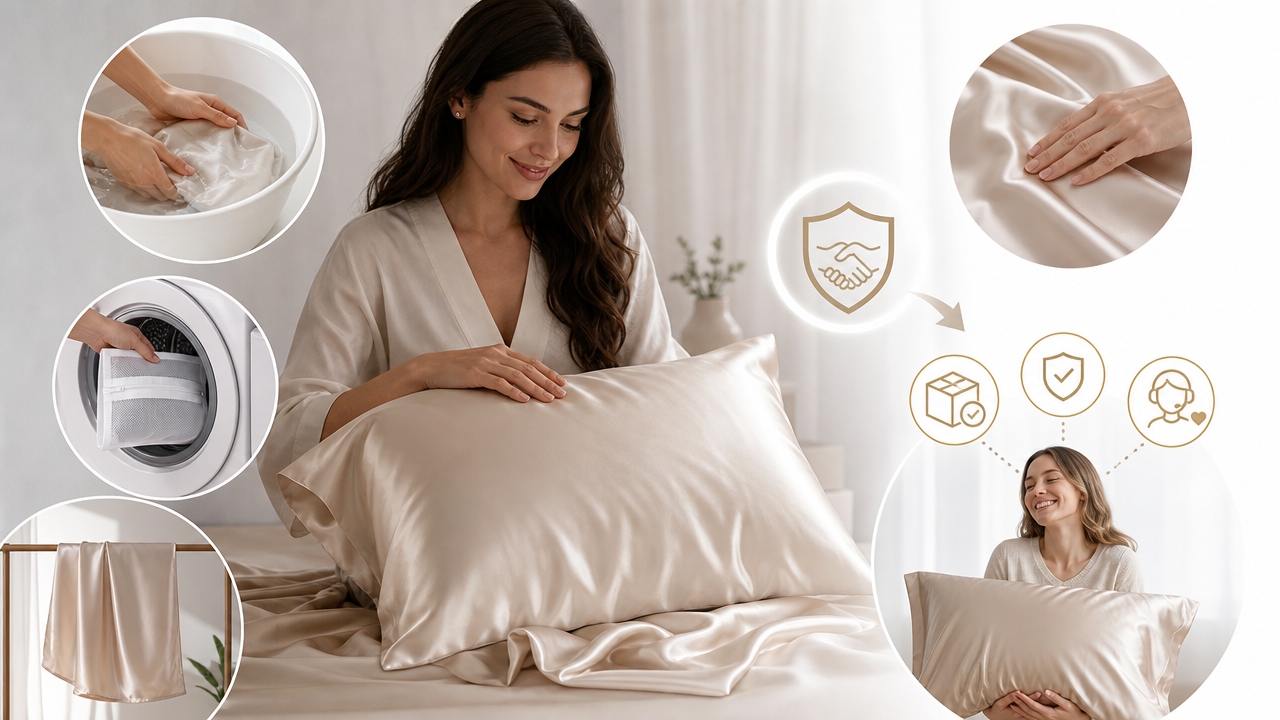
Before any silk pillowcase care routine starts, confirm what you are actually holding. Not every “silk” pillowcase is made from the same fiber, and the cleaning method depends on that difference. For B2B buyers, this is especially important when comparing a wholesale silk pillowcase line or planning an OEM silk pillowcase spec.
Pure silk, silk blends, and satin are not the same
Pure silk pillowcases are made from silk fiber, usually mulberry silk in premium bedding. Silk blends combine silk with other fibers, which can change the fabric’s strength, sheen, and wash tolerance. Satin is different again: it is a weave, not a fiber. A satin pillowcase may be polyester, nylon, silk, or a blend, so the word “satin” alone does not tell you how to clean it.
That distinction matters because silk pillowcase care should always match fiber content, not just the surface look.
What to look for on the care label and product spec
Check the sewn-in label first, then confirm the product spec sheet. Look for:
- Fiber content, such as 100% silk or a silk blend
- Fabric type, such as charmeuse or satin weave
- Care instructions, including hand wash, machine wash, or dry clean only
- Any finish notes, such as prewashed, enzyme-treated, or colorfast claims
If the label is vague, ask for the full material breakdown before choosing a cleaning method. For private-label and OEM silk pillowcase orders, that documentation should be part of the product file.
When a machine washable silk pillowcase is the right category
A machine washable silk pillowcase is typically designed and labeled for easier laundering, often because of fabric construction, finishing, or blended content. It can be the right category for hospitality, retail, or frequent-use programs where care simplicity matters more than a strictly delicate finish.
Even then, “machine washable” should be backed by the supplier’s care spec, not assumed from the product title alone. Confirm the exact washability claim before adding it to a catalog or care card.
Takeaway: always verify fiber content and care labeling first, because the right washing method starts with the product category, not the appearance.
How to Hand Wash a Silk Pillowcase Step by Step
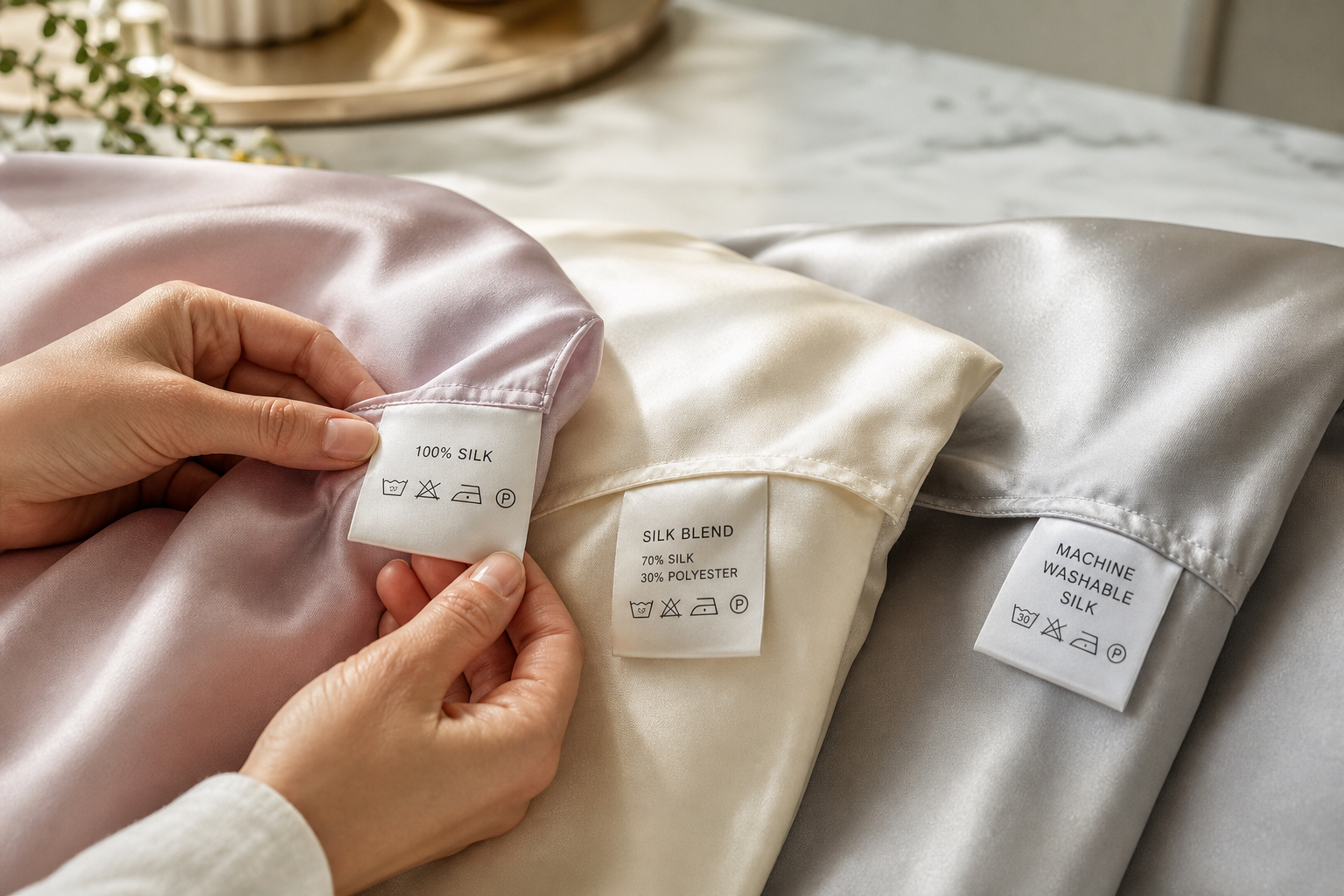
Hand washing is the safest way to clean delicate silk when you want to protect the feel and finish of the fabric. Follow a gentle silk pillowcase care routine with cool water, a mild detergent, and minimal agitation.
Prepare cool water and a silk-safe detergent
Fill a clean basin with cool or lukewarm water, never hot. Heat can stress silk fibers and reduce the smooth finish you want to preserve.
Add a small amount of detergent made for silk or other delicate fabrics. Use only enough to lightly clean the fabric; too much product is harder to rinse out and can leave residue. Stir the water gently so the detergent disperses before the pillowcase goes in.
Turn the pillowcase inside out if needed, then place it in the water and submerge it fully. Avoid scrubbing, stretching, or wringing at this stage.
Soak briefly, then move the fabric gently
Let the pillowcase soak for a short time, usually just a few minutes. If there is light buildup from skin oils or hair products, you can move it through the water with slow, careful swishes. Press it down lightly by hand rather than rubbing the surface together.
If you see a spot that needs extra attention, lift the fabric and dab it gently with diluted detergent. Do not use brushes or harsh spot treatments, since they can damage silk fibers and alter the sheen.
Rinse well and remove excess water without twisting
Drain the basin and refill it with fresh cool water. Rinse the pillowcase until the water runs clear and no detergent remains. Repeat if needed, especially for a thicker or double-sided silk pillowcase.
To remove water, press the fabric gently between your hands or lay it flat on a clean towel and roll it up. This helps absorb moisture without twisting or stretching the seams. Keep the shape intact so the pillowcase dries evenly.
Takeaway: Hand wash silk gently in cool water, rinse thoroughly, and press out moisture without twisting to protect the fabric.
When Machine Washing Is Acceptable for Silk
For some products, machine washing is part of the approved silk pillowcase care plan. That applies only when the fabric, dyeing, and construction are designed and tested for it. If the care label confirms a machine washable silk pillowcase, the goal is still the same: reduce friction, limit heat, and keep the wash as gentle as possible.
Use a Mesh Bag, Cold Water, and a Delicate Cycle
Place the pillowcase in a fine mesh laundry bag to reduce snagging and rubbing against zippers, seams, or other textiles. Before placing it in the bag, turn the pillowcase inside out and close the zipper completely to protect the zipper teeth and prevent it from catching on other fabrics during the wash. Wash it in cold water on a delicate or silk cycle, using a mild liquid detergent made for fine fabrics. Keep the load small so the pillowcase can move freely without being twisted by heavier items. Avoid bleach, fabric softener, and any wash program that uses hot water or aggressive agitation.
Keep Spin Speed Low and Skip Heavy Loads
Even for washable silk, the spin stage matters. Use the lowest spin speed available, or a short gentle spin if the machine allows it. High-speed spinning can distort the weave and leave the fabric creased or stressed at the seams. Do not wash silk with towels, denim, bedding, or other bulky items. For a wholesale silk pillowcase program, this point is worth spelling out clearly on packaging and care inserts so retail customers do not treat it like standard cotton.
How to Tell the Difference Between Safe Convenience and Unnecessary Risk
Machine washing is a convenience, not a default. It is reasonable only when the fabric is clearly labeled for it and the buyer has followed the manufacturer’s care guidance. For an OEM silk pillowcase, the wash method should match the tested material finish, stitch quality, and dye stability. If the label is vague, or the silk feels delicate, uneven, or heavily embellished, hand washing is the safer choice.
Takeaway: machine washing is acceptable for silk only when the product is specifically made and labeled for it, and the cycle stays cold, gentle, and low-impact. Always turn the pillowcase inside out and close the zipper before placing it in the mesh bag.
Drying, Pressing, and Storing Without Losing the Finish
After washing, silk pillowcase care depends on gentle finishing. Drying and storage matter just as much as the wash itself, especially for B2B buyers managing a silk pillowcase washing guide for retail packaging, wholesale silk pillowcase orders, or an OEM silk pillowcase program.
Air dry away from direct sun and heaters
Silk should dry in a clean, ventilated area with no direct sunlight. Sun exposure can dull the sheen, while heaters and radiators can make the fabric feel dry or stiff. Lay the pillowcase flat on a clean towel or hang it with non-marking support so it keeps its shape.
| Common mistake | Better practice |
|---|---|
| Drying in full sun | Dry in shade with airflow |
| Placing near a heater | Keep away from heat sources |
| Leaving it damp in a pile | Dry fully before folding or packing |
Use a low iron only when the care label allows it
Some silk pillowcases can be pressed on the lowest silk setting, but only if the care label permits it. Turn the pillowcase inside out and use a pressing cloth to reduce shine marks. Keep the iron moving and avoid steam bursts that can leave water spots on delicate finishes. For a machine washable silk pillowcase, this step may still be optional if the fabric naturally smooths out during air-drying.
Avoid strong wringing, high heat, and cramped storage
Never twist silk hard to remove water. Strong wringing can distort the weave and flatten the finish. High tumble heat is also risky because it can leave silk brittle and reduce softness over time. Once fully dry, store pillowcases in breathable packaging, not cramped plastic bags or tight stacks. For commercial silk pillowcase care, this helps preserve presentation quality during warehouse storage and customer fulfillment.
Takeaway: dry silk gently, press only when allowed, and store it loosely to protect the fabric finish.
What B2B Buyers Should Ask About Silk Care in OEM/ODM Projects
For B2B programs, silk pillowcase care should be defined before production starts. The goal is not just a softer hand feel, but a product that is easy to explain, consistent to maintain, and realistic for the intended market. That is especially important for a wholesale silk pillowcase range or an OEM silk pillowcase built for retail, hospitality, or private label.
How easy-care silk supports better customer education
If the fabric can be positioned as easy-care, your team can give buyers clearer instructions and reduce returns caused by confusion. The care message should match the actual fabric behavior, not just the marketing angle. For example, a machine washable silk pillowcase needs different label language, packaging copy, and aftercare guidance than a delicate item made for hand washing only.
What to confirm when specifying machine washable silk fabric
Before approving a washable program, ask for the details that affect care performance and customer experience.
| What to confirm | Why it matters |
|---|---|
| Fiber content and blend ratio | Determines how the fabric handles washing and wear |
| Weave, finish, and momme level | Influences strength, hand feel, and surface stability |
| Colorfastness expectations | Helps reduce issues after repeated laundering |
| Approved wash method | Keeps product claims aligned with actual testing |
| Care-label wording | Supports consistent customer education |
If the supplier cannot verify these points, the product should not be marketed as machine washable.
Why Cocoonman is a practical partner for wholesale and OEM programs
For OEM/ODM development, the best supplier is one that can align fabric choice, finishing, labeling, and packing with your target care standard. Cocoonman’s wholesale silk pillowcase and OEM silk pillowcase support is useful when you need product options that fit different care expectations, not a one-size-fits-all spec. That makes it easier to develop a silk pillowcase care plan that is accurate from factory to end user.
Takeaway: Treat silk care as part of product specification, because the right care guidance starts with the right fabric decision.
FAQ
Q: Is every silk pillowcase machine washable?
No, not by default. A machine washable silk pillowcase should be specifically made and labeled for gentle machine care. If the label does not clearly permit it, hand washing is the safer silk pillowcase care method.
Q: What water temperature is best for washing silk pillowcases?
Cool water is usually the most reliable choice for silk. It helps protect the fabric surface and supports a gentler silk pillowcase washing guide. Warm or hot water can place unnecessary stress on the fibers and finish.
Q: Can I use regular laundry detergent on silk?
Regular detergent is not ideal for silk. A mild formula made for delicate fabrics is a better fit for silk pillowcase care. Strong detergents may gradually affect the look and feel of the material.
Q: What should B2B buyers look for in a silk pillowcase supplier?
Start with clear care instructions and consistent fabric quality. For a wholesale silk pillowcase program, ask whether the product is designed for hand washing or built as a machine washable silk pillowcase. If you are developing an OEM silk pillowcase, confirm that the supplier can match your market’s care expectations and packaging needs.
Conclusion
The right way to wash a silk pillowcase depends on the fabric, the finish, and the care label that comes with the product. Hand washing is still the safest choice for many styles, while machine washing should be limited to a machine washable silk pillowcase made for that routine. For brands, retailers, and OEM silk pillowcase buyers, choosing the right care approach supports better customer experience, fewer complaints, and stronger long-term trust.